

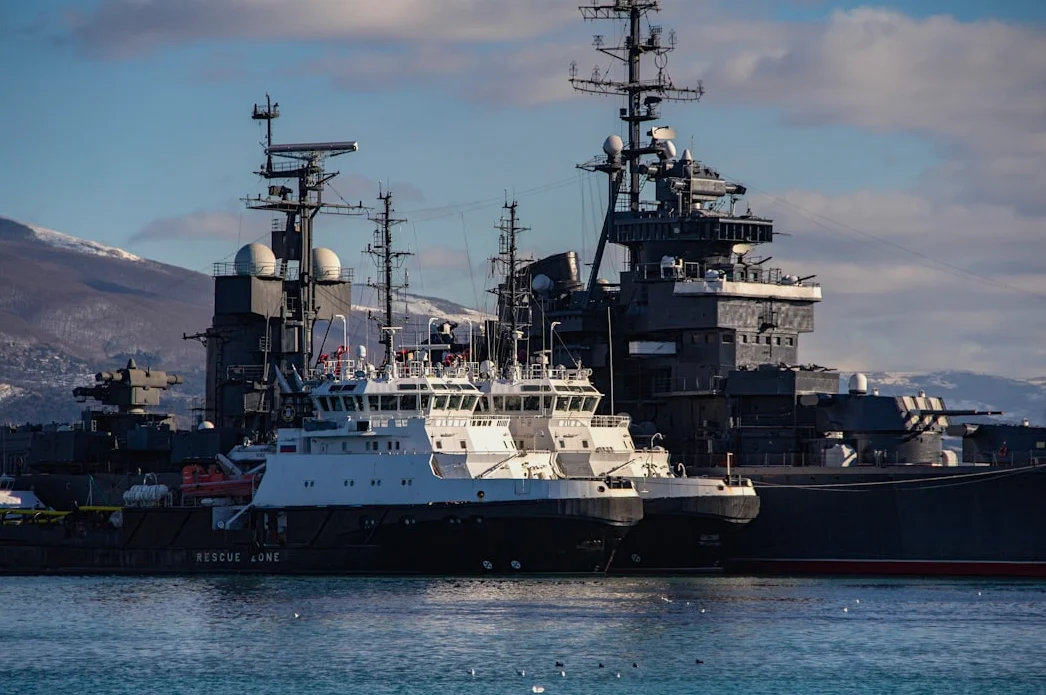
Two U.S. Navy warships have transited the Strait of Hormuz, signaling a potential escalation in the region as tensions between the U.S. and Iran remain high; the move follows recent diplomatic talks that ended without a resolution, according to reports from multiple sources.
Strategic Signaling in the Strait
The transit of two destroyers through the Strait of Hormuz has been interpreted as a strategic message by the U.S. military, according to a Fortune report. A naval analyst noted that commercial ships had been waiting to see whether the strait was clear, and the presence of two destroyers is a significant indicator of U.S. commitment to the region. The move comes amid ongoing efforts to clear mines in the area, as previously announced by U.S. officials.
Failed Diplomatic Talks in Pakistan
According to a report from Dong-A Ilbo, U.S.-Iran talks held in Islamabad over two days ended in a stalemate; Vice President JD Vance stated that after 21 hours of negotiations, the U.S. was unable to reach an agreement with Iran. He emphasized that while the discussions were productive, the lack of a resolution could lead to prolonged tensions in the Middle East — Iran, however, announced its intention to reconvene talks on December 12, according to the report.
Trump’s Call for Allied Support
Donald Trump. In a recent social media post. Urged allies to help clear mines in the Strait of Hormuz, stating that the U.S. had begun the operation; he specifically mentioned countries that had not responded to U.S. requests for military support, including South Korea. Trump’s comments have raised concerns about the potential for increased conflict in the region, particularly as Iran continues to develop its nuclear program, according to reports from various international outlets.
The U.S. military’s decision to send warships through the Strait of Hormuz has been seen as both a show of force and a signal of readiness to protect commercial shipping lanes in the region. The strait is a vital artery for global oil trade, with approximately 20% of the world’s oil passing through it annually.
According to the Fortune report. The transit of the two destroyers is also a response to growing concerns over Iran’s nuclear program. Tehran has emerged from weeks of conflict with its uranium stockpile and other components of its nuclear program intact, according to a report from a Japanese news outlet.
Vice President Vance’s comments during a press conference in Islamabad highlighted the complexity of the negotiations, and he noted that while the U.S. had made progress in discussions, the lack of a concrete agreement could lead to further instability in the region. The U.S. has been working with its allies to ensure the safety of shipping routes and to prevent further escalation of hostilities.
Meanwhile, Iran’s decision to reconvene talks on December 12 has been met with cautious optimism by some analysts, who believe that continued dialogue is essential to de-escalating tensions. However, the failure of the current round of talks has raised concerns about the possibility of a prolonged conflict in the region.
As the situation remains fluid, the U.S. military continues to monitor developments in the region closely. The presence of two warships in the Strait of Hormuz shows the strategic importance of the area and the U.S. commitment to maintaining regional stability.
Despite the diplomatic stalemate, both the U.S. and Iran have expressed a willingness to continue talks, although the outcome of future negotiations remains uncertain. The international community is closely watching the situation, as any escalation could have far-reaching consequences for global energy markets and geopolitical stability.






Comments
No comments yet
Be the first to share your thoughts