

The U.S. military has announced plans to implement a naval blockade in the Strait of Hormuz, according to the Central Command, which stated the move would begin at 10 a.m. Eastern Time on the 13th. This corresponds to 11 p.m. Korean time on the same day, as reported by the Dong-A Ilbo. The blockade would affect all ships entering Iranian ports within the Persian Gulf and the Gulf of Oman, as well as those passing through the strait. However, the Central Command emphasized that the U.S. would not impede the free passage of ships traveling to or from non-Iranian ports through the strait.
How a Naval Blockade Would Work
According to Fortune, a U.S. naval blockade in the Strait of Hormuz would be a significant undertaking and a high-risk strategy. It would impose economic pressure on Iran without destroying its oil infrastructure, which the U.S. would want to preserve for the future. The article highlights that this move could be a strategic response to ongoing tensions and a way to exert pressure without direct military conflict.
Economic and Market Implications
TradingView noted that a potential conflict in the Middle East could push oil prices above $120, as historical data shows that oil prices have repeatedly hit resistance levels. In 2008 and 2022, oil prices collapsed after hitting these levels, but the current situation in 2026 shows that the market is still reacting to geopolitical tensions. The article also mentioned that the price of WTI crude oil had risen to $119.50, nearing the resistance level, but the market has not yet broken through.
The potential for a naval blockade in the Strait of Hormuz could have far-reaching economic consequences, particularly for global oil markets. If the strait were to be blocked, oil prices could surge, affecting economies worldwide. The U.S. would be taking a calculated risk by implementing such a measure, knowing that it could destabilize global markets but also serve as a powerful deterrent against Iran’s actions.
Strategic and Political Context
The Korean media reported that the U.S. has already begun deploying warships into the Strait of Hormuz to clear mines, a move described as an effort to ‘put the strait in order in place of South Korea, China, and Japan.’ This suggests that the U.S. is taking a proactive stance in ensuring the security of the strait, which is a critical global shipping route.
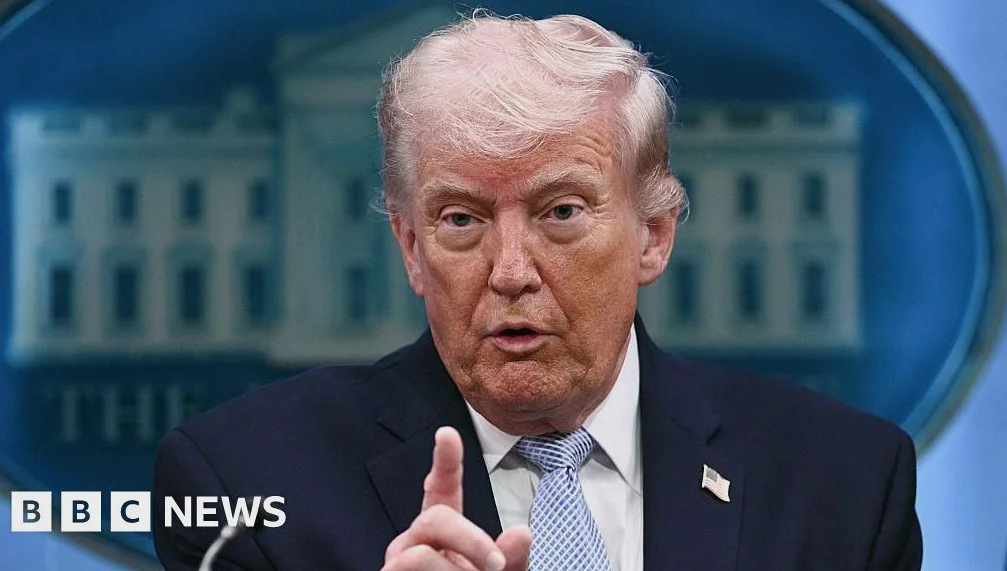
President Trump has been using the blockade as a new pressure tactic, following the collapse of the two-day talks that ended without a deal. The decision to implement a naval blockade comes in the wake of failed negotiations between the U.S. and Iran. This move shows the growing tensions between the two nations and the potential for further escalation.
Experts suggest that a naval blockade in the Strait of Hormuz would require a significant military presence and could be a long-term strategy. The U.S. would need to maintain a continuous presence in the area to enforce the blockade effectively. However, this could also lead to increased risk of conflict, as Iran may retaliate against such measures.
The economic and geopolitical implications of a naval blockade in the Strait of Hormuz are vast. It could disrupt global oil supplies, lead to a surge in oil prices, and potentially trigger broader international tensions. The U.S. must weigh the potential benefits of such a move against the risks involved.






Comments
No comments yet
Be the first to share your thoughts