

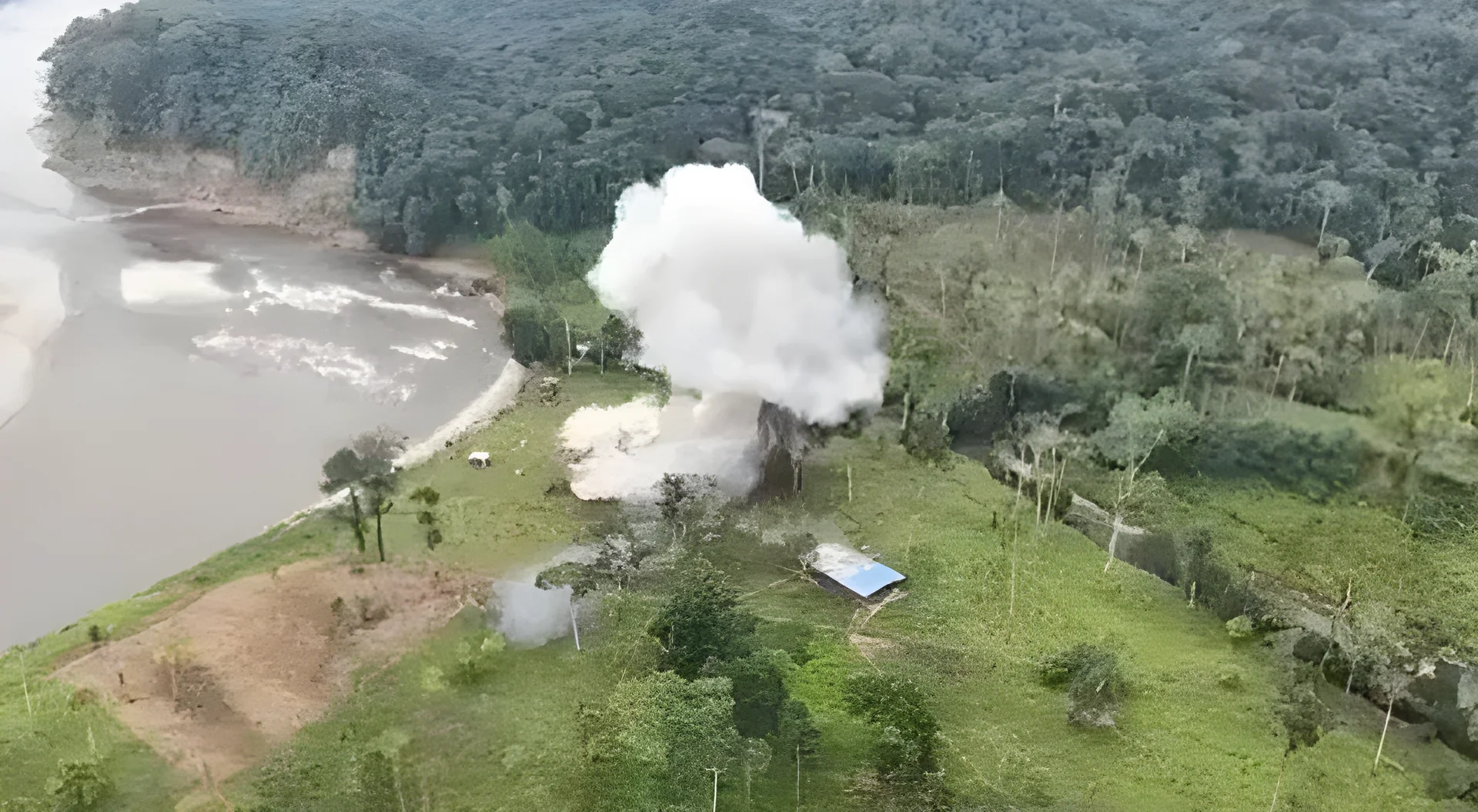
U.S. military forces have joined Ecuadorian troops in a series of lethal kinetic operations aimed at dismantling narcoterrorist organizations, according to a Friday night announcement from U.S. Southern Command (SOUTHCOM). The joint effort, which escalated significantly on March 6, involves direct strikes against high-level criminal groups operating within the region.
Historic Joint Strikes Target Key Gangs
The operations have been active since September 2, 2025, with U.S. forces conducting multiple strikes against drug-running vessels. Among the most significant actions was the sinking of a boat carrying 11 members of the Tren de Aragua, a Venezuelan gang officially designated as a foreign terrorist organization by the Trump administration on January 20, 2025.
At the direction of the Secretary of War, SOUTHCOM Commander Gen. Francis L. Donovan ordered the joint force to assist Ecuadorian military units currently engaged in active combat. This mission specifically targets groups that have been labeled as terrorists by the United States government over the past year.
“At the order of @SecWar, #SOUTHCOM Commander Gen. Francis L. Donovan directed the joint force to support Ecuadorian forces conducting lethal kinetic operations against Designated Terrorist Organizations within Ecuador March 6,” SOUTHCOM shared via a post on X.
Broader Strategy to Combat Narcoterrorism
The military surge follows a wave of diplomatic designations intended to cut off the resources of organized crime. On September 4, 2025, Secretary of State Marco Rubio designated two major Ecuadorian gangs, Los Choneros and Los Lobos, as foreign terrorist organizations due to their ties to Mexican drug cartels. These cartels were themselves designated as terrorist entities at the start of the current presidential term in early 2025.
Gen. Donovan highlighted the importance of the partnership in a statement following the latest strikes. “We are advancing alongside our partners in the fight against narcoterrorism,” Donovan said. “I congratulate our joint forces and the Ecuadorian armed forces for the successful operation against narcoterrorists in Ecuador. This collaborative and decisive action is a strategic success for all nations in the Western Hemisphere committed to disrupting and defeating narcoterrorism.”
The State Department previously noted that these efforts are part of a broader strategy alongside Ecuadorian President Daniel Noboa to secure the region. In an earlier release, the department stated that the U.S. will “continue to protect our two nations by keeping illicit drugs off our streets and disrupting the revenue streams funding drug cartels’ terrorism and criminal activity.”
Escalating Tensions in the Region
The joint operations have intensified regional security concerns, with reports indicating a significant increase in military activity along the Pacific coast. According to SOUTHCOM, over 300 U.S. military personnel have been deployed to support Ecuadorian forces in the past six months, with additional reinforcements expected in the coming weeks.
Local officials in Ecuador have expressed both support and caution regarding the U.S. involvement. “We are grateful for the support, but we must ensure that our sovereignty remains intact,” said a senior Ecuadorian defense official, who requested anonymity. “The fight against narco-terrorists is a shared responsibility, but it must be conducted with transparency and mutual respect.”
Analysts suggest that the operations could have long-term implications for regional stability. “This level of direct military engagement marks a significant shift in U.S. foreign policy in Latin America,” said Dr. Maria Santos, a security analyst at the Latin American Institute for Strategic Studies. “It could lead to increased militarization of the region and raise concerns about the role of foreign powers in domestic conflicts.”
With the recent designation of additional groups as foreign terrorist organizations, the U.S. government has indicated that further military and economic measures may be taken against groups linked to drug trafficking. The next major decision is expected at a joint security summit in Washington D.C., scheduled for April 12, 2026, where leaders from the U.S., Ecuador, and other regional allies will discuss the future of the anti-narcoterrorism campaign.
The combined effort between the U.S. and Ecuador is seen as a key move in the ongoing struggle against drug trafficking and organized crime. With the stakes high and the region under increasing pressure, the outcomes of these operations will have lasting effects on both national and international security policies.






Comments
No comments yet
Be the first to share your thoughts