

 New York Times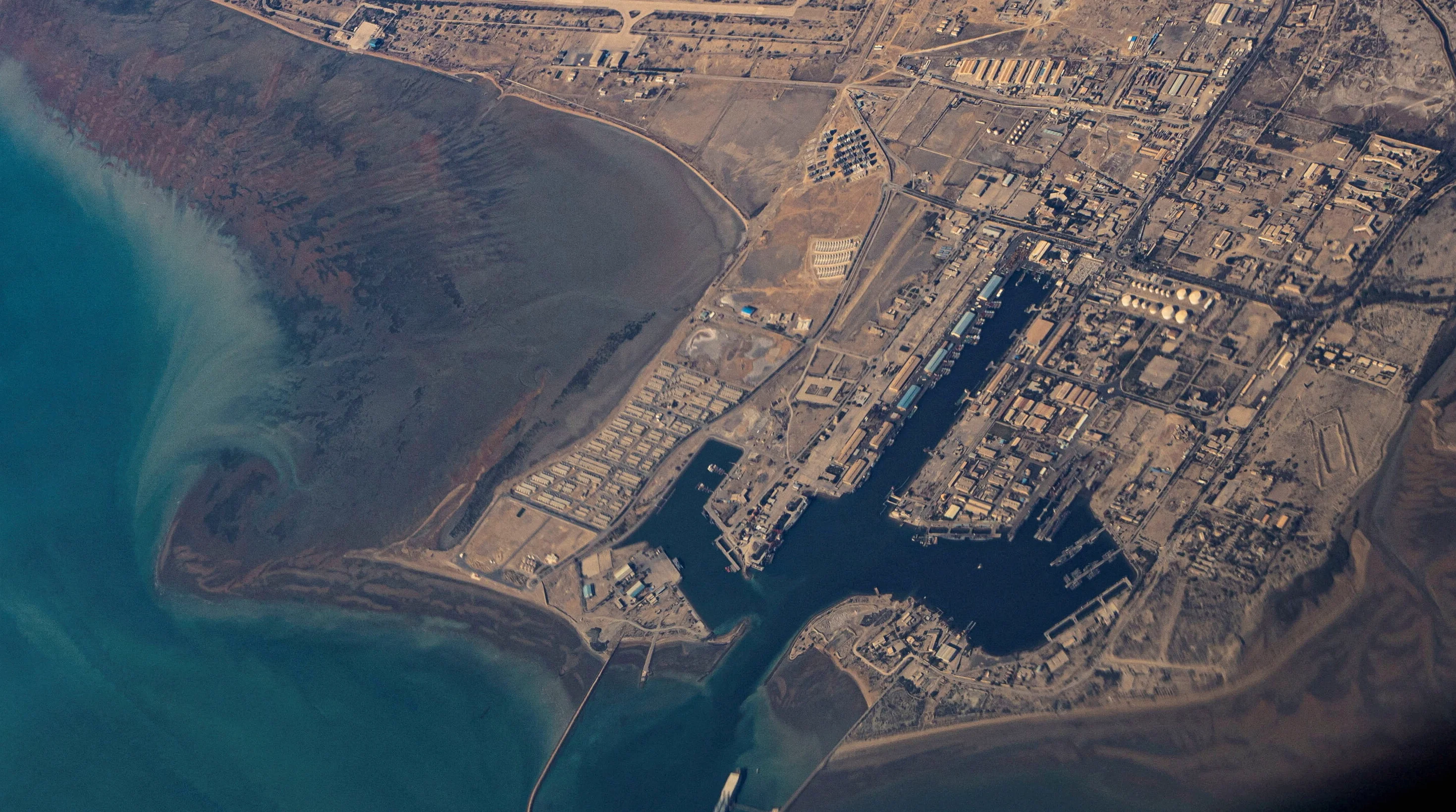
U.S. military strikes have inflicted heavy damage on Iran’s regular navy, but the more agile fleet of the Islamic Major Guard Corps (IRGC) continues to pose a significant threat to maritime traffic in the Strait of Hormuz, according to satellite imagery and analysis by the New York Times.
Strikes Target Key Naval Bases
Satellite images and videos analyzed by the New York Times show that Iran has lost at least seven moored ships and critical naval infrastructure in the first week of U.S. and Israeli strikes. The entrance to an underground naval facility in the Strait of Hormuz was also hit, according to the report.
The U.S. military has focused its efforts on Iran’s regular navy, known as the Islamic Republic of Iran Navy, which operates conventional warships. However, the IRGC runs a separate navy that specializes in asymmetric warfare. This includes lighter assets such as speedboats and uncrewed vessels, which are harder to target and can be deployed in swarms to threaten shipping lanes.
The IRGC navy is primarily responsible for securing the Strait of Hormuz and the Persian Gulf. To make the strait fully navigable again, U.S. and allied forces would need to further degrade the IRGC’s capabilities, along with other threats such as the use of drones and small attack boats.
Challenges for U.S. Forces
Despite the heavy losses suffered by the regular navy, the IRGC’s asymmetric tactics remain a major challenge for U.S. and international forces. According to Nicholas Carl of the Washington-based Critical Threats Project, the sinking of the Iranian naval vessels belonging to the regular navy is a significant step forward, but Iran still has ways to threaten vessels around the Persian Gulf, especially civilian ships.
A New York Times analysis found that at least 10 merchant vessels have been attacked in the Strait of Hormuz and the two bodies of water it connects, the Persian Gulf and the Gulf of Oman. Most of these vessels reported being struck by “unknown projectiles,” several above the waterline, suggesting they could be naval drones or other small vessels.
Satellite images show that U.S. military strikes have targeted both IRGC and regular naval forces at key locations this week. Damage can be seen at a base on the Island of Qeshm, a critical location in the Strait of Hormuz. The base includes an underground cove that shelters both crewed and uncrewed speedboats, including explosive-laden suicide boats, according to a report by Farzin Nadimi, a security and defense analyst specializing in Iran and the Persian Gulf.
A large naval base at Bandar Abbas, 10 miles north of Qeshm, also suffered heavy losses. Multiple strikes show that both Iran’s navy and IRGC vessels failed to disperse in anticipation of an attack. Yesterday, the U.S. military struck an IRGC drone carrier near the base. U.S. officials said it had been hit previously but had continued to sail in the Bandar Abbas area without major visible damage.
Destruction at Key Naval Bases
On Wednesday, videos showed an attack on one of Iran’s newest vessels, a catamaran stealth missile corvette. The IRGC has only four of the advanced combat ships, according to The Military Balance 2026, an assessment of armed forces published by the International Institute for Strategic Studies.
The destruction at Konarak naval base shows how severely U.S. strikes have degraded Iran’s regular navy. Three combat ships sank there while anchored at the pier, and satellite imagery shows capsized or partially submerged vessels. Konarak is a regional naval headquarters responsible for operations in waters off the country’s southeast coast. The strikes there “dealt a significant blow to the Iranian Navy’s surface fleet and immediately began reducing their presence around the Gulf of Oman,” Mr. Carl said in an email.
The destruction of the base came as the U.S. Navy’s Abraham Lincoln carrier strike group was operating near the Gulf of Oman, southeast of Konarak. Eight buildings at the base, next to the sunken ships, were destroyed or damaged, satellite imagery showed. It also showed attacks on nearby drone and air bases.
Damage was also visible at the Jask naval base in the Gulf of Oman and at a naval base in Asaluyeh in the Persian Gulf. These strikes have disrupted Iran’s naval operations and forced a re-evaluation of its strategic positioning in the region.
The ongoing conflict highlights the continued importance of the Strait of Hormuz, through which about 20% of the world’s seaborne oil trade passes. Any disruption to this critical waterway could have significant economic repercussions, affecting global energy prices and supply chains.
As the U.S. and its allies continue their military operations in the region, the focus will likely shift to further degrading the IRGC’s asymmetric capabilities and ensuring the safety of international shipping. The coming weeks will be critical in determining the long-term impact of these strikes on Iran’s naval strategy and the stability of the region.






Comments
No comments yet
Be the first to share your thoughts