

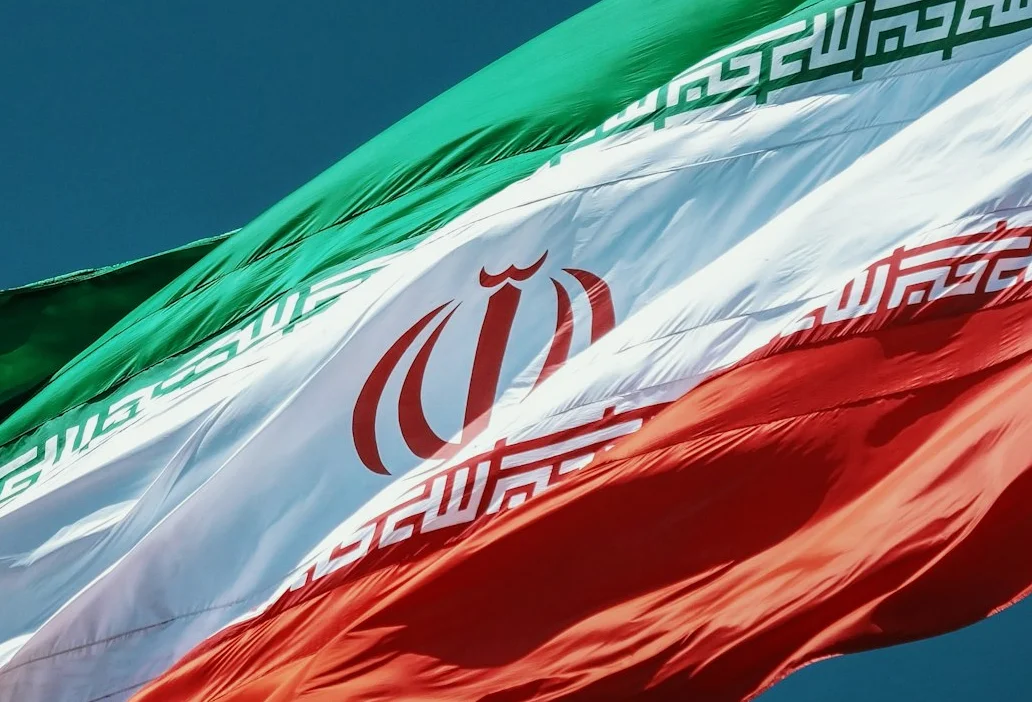
The warning follows the U.S. decision to order non-essential staff and their families to leave its embassy in Saudi Arabia after a surge in attacks by Iran-backed Houthi forces. The Saudi-led coalition reported destroying two ballistic missiles fired by the Houthis toward Taif and Yanbu. The U.S. State Department has issued updated travel advisories for over 12 countries in the Gulf and Middle East, including Saudi Arabia, Qatar, the United Arab Emirates, Iraq, and Israel.
A U.S. official stated that the State Department is using Restricted Operations Status to make staffing adjustments at embassies without a formal public declaration. This allows the department greater flexibility in response to the threat of Houthi attacks and Iranian terror plots targeting U.S. officials.
U.S. President Donald Trump suggested on October 23 that the U.S. might launch renewed military operations against Iran, referencing the “Epic Fury” campaign. However, he did not provide a timeline for such action.
Iran’s ambassador to Pakistan, Reza Amiri Moghadam, stated that Tehran remains open to resuming the June Pakistan-brokered deal, including reopening the Strait of Hormuz, if the U.S. lifts its naval blockade. However, Iranian state media later denied the report.
The Trump administration has pledged to delay any new military strikes on Iran until after the November 3 midterm elections, as the war has contributed to domestic economic challenges, including inflation and affordability concerns.
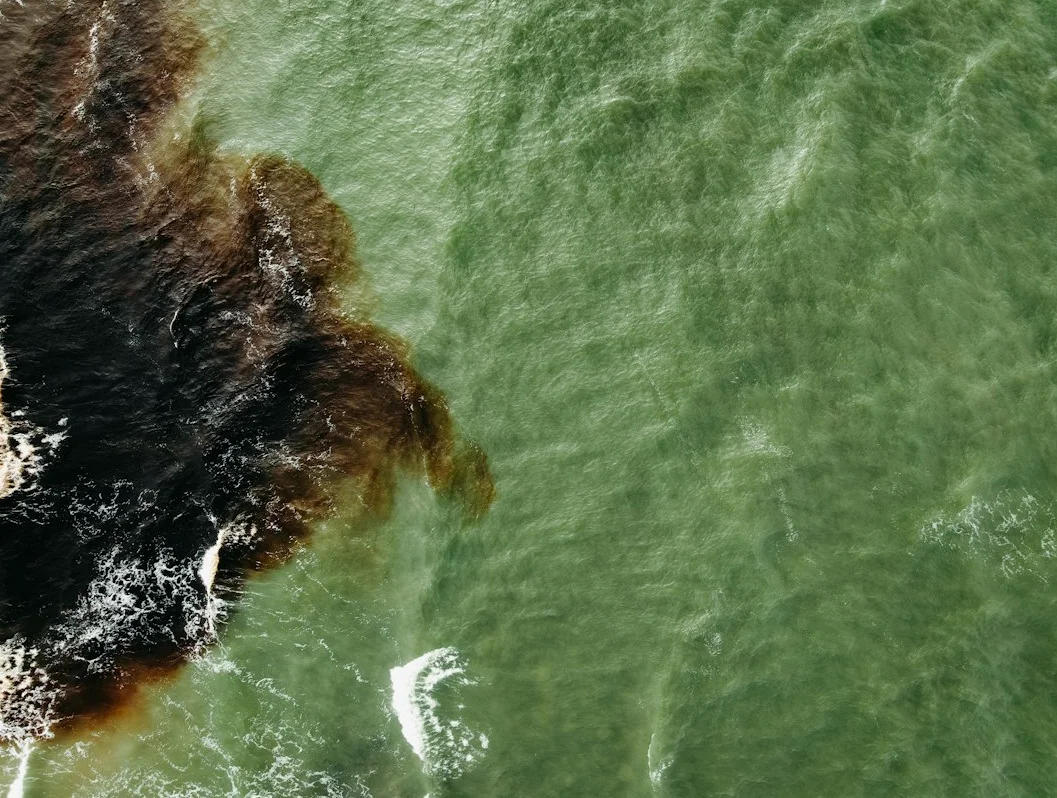
Rising tensions in the Middle East have driven oil prices to a six-month high, with benchmark Brent crude futures topping $116 a barrel and U.S. West Texas Intermediate rising over $103 a barrel.




Comments
No comments yet
Be the first to share your thoughts