

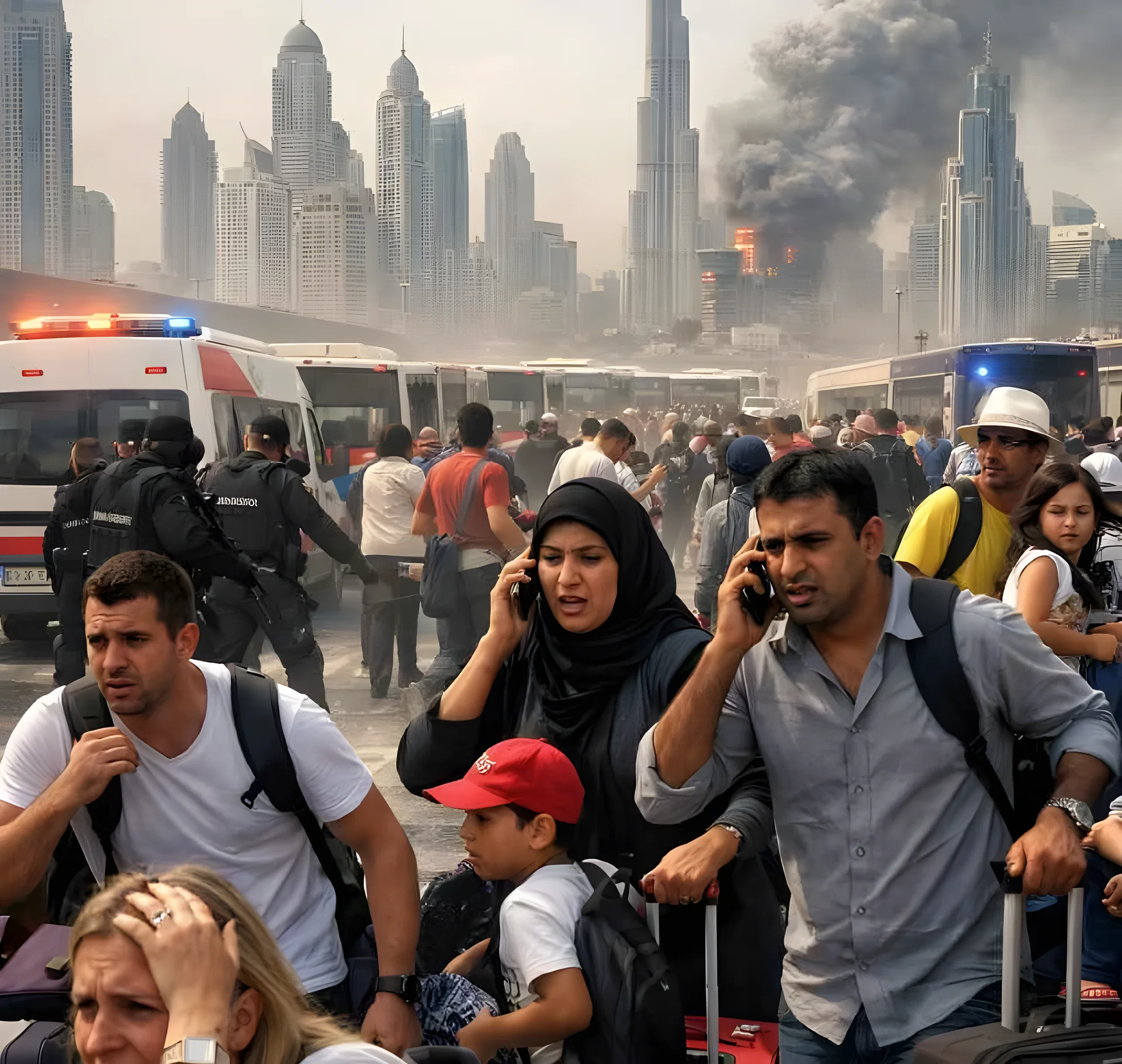
The 2026 ICC T20 World Cup, one of cricket’s most anticipated global events, is now at a crossroads due to the escalating tensions in the Middle East. With several matches scheduled to be held in the United Arab Emirates, questions are mounting about the safety and feasibility of these venues. The crisis has created a ripple effect across the travel and tourism industries, leaving thousands of visitors uncertain about their plans and raising concerns about the event’s logistics.
Impact on Tourism and Travel
The United Arab Emirates has long been a top-tier destination for both leisure and business travelers, known for its world-class infrastructure, luxury hotels, and cultural attractions. The T20 World Cup was expected to bring a significant boost to the region’s tourism sector, with thousands of fans and visitors expected to travel for the event. However, the current geopolitical instability has created uncertainty, with many travelers now questioning whether to proceed with their bookings.
Flights, hotel reservations, and event tickets have already been booked by a large number of cricket fans and tourists. The possibility of match cancellations, venue changes, or even relocation of games to other countries could lead to substantial financial losses and logistical challenges for those affected.
Tourism-dependent businesses in the UAE, including airlines, hotels, and local attractions, are bracing for a difficult period. Many of these businesses had anticipated a surge in visitors due to the World Cup and are now facing cancellations and a drop in bookings. Some tourists have already chosen to cancel or delay their trips, further straining the tourism economy.
Contingency Plans and Travel Alternatives
In response to the uncertainty, the organizers of the T20 World Cup have emphasized their commitment to ensuring the event proceeds, albeit with heightened precautions. The UAE government and local authorities have stated that they are closely monitoring the situation and are prepared to make adjustments if necessary to guarantee the safety of participants and spectators.
However, the possibility of venue changes or even the relocation of matches to other countries remains a pressing concern. Neighboring countries such as Oman and Qatar are being considered as potential backup venues. Both nations have strong infrastructure and are popular tourist destinations with easy access to international flights, making them viable alternatives for the event.
Some tourists are also considering other international destinations, such as India and Sri Lanka, which have a history of hosting major cricket events. These countries are being viewed as more stable and secure options for those seeking to attend the tournament without the uncertainties surrounding the UAE.
Travel agencies are working closely with customers who have already booked trips to the UAE, offering alternative itineraries that may include attending the World Cup in other countries or visiting nearby destinations if necessary. Flexibility and strong customer support will be crucial in minimizing the disruptions caused by the current situation.
Broader Implications for Tourism in the Region
The crisis has sparked a broader conversation about the future of tourism in the Middle East. While the United Arab Emirates has long been a symbol of stability and luxury, the current geopolitical climate is testing its resilience. The uncertainty surrounding the T20 World Cup highlights the need for the tourism industry to remain adaptable, especially during times of crisis.
As the situation continues to evolve, it remains to be seen whether other regional powers will step in to provide a more stable environment for international tourism. For now, travelers planning to visit the Middle East must stay informed about the latest developments and be prepared for potential changes to their travel plans.
The ongoing uncertainty surrounding the T20 World Cup and the wider travel landscape highlights the importance of flexibility and awareness for those looking to experience the event. With the event’s venues still under review, the future of the tournament—and its impact on the region’s tourism sector—remains uncertain.





Comments
No comments yet
Be the first to share your thoughts