

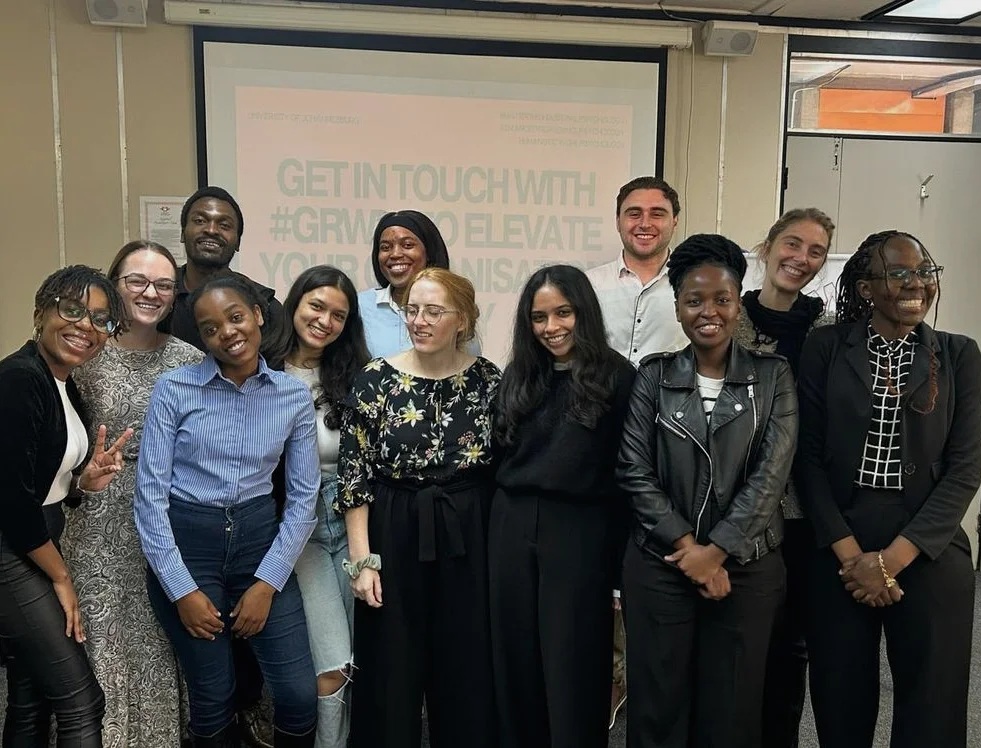
JOHANNESBURG — The University of Johannesburg signed a memorandum of understanding with the Good Work Foundation on Thursday, kicking off a three-year collaboration to drive evidence-based improvements in rural education and employability.
Kathy Knott, programme manager at GWF’s Bridging Year Academy, called the deal a win-win. It pairs UJ’s academic strengths with GWF’s hands-on work in rural communities, she said. The partnership targets student well-being data, long-term outcomes and work-readiness tracking.
The initiative stems from talks between Professor Nicola Taylor of UJ’s Department of Industrial Psychology and People Management and GWF leaders. Taylor, in the College of Business and Economics, highlighted how the tie-up aligns with UJ’s goals in research, innovation and social impact.
“This mutually beneficial partnership will see GWF incorporating a scientific approach to analysing its student well-being data,” Taylor said. UJ master’s students in industrial psychology will gain real-world experience consulting at GWF’s six rural campuses. They will study the non-profit’s digital skills and work-readiness programs.
Early work has started. A group of UJ postgraduates is already crunching GWF’s before-and-after well-being data to measure program effects statistically.
GWF’s Bridging Year Academy serves school-leavers at campuses including those in Hazyview and Bushbuckridge. It teaches digital skills, entrepreneurship and job preparation. Demand overwhelms supply: 1,600 applicants vie for 350 spots annually, according to Knott, a counselling psychologist.
“Our graduates are strongly placed to enter university, employment or start businesses,” Knott said. UJ research will provide hard data to prove impact, she added. That evidence could attract funding and help GWF expand.
“Armed with the data produced by our UJ partnership, we will be able to show that we’re not just doing good work, but great work,” Knott said. The goal: scale operations and reach more communities.
Taylor stressed the value for UJ students. Fieldwork in rural areas offers immersion far from urban corporate settings. “The exposure will help students understand the impact they can have as professionals outside the urban ‘corporate jungle’ environment,” she said. It pushes them to innovate for rural needs.
Postgraduate and postdoctoral researchers from UJ will conduct fieldwork, track learner paths from training to jobs and co-author outputs like journal articles and case studies. Their efforts aim to tackle social development challenges head-on.
Knott noted shared goals in rural skills development, employability and human capital. The collaboration promises high-quality research to refine programs and draw investor interest.




Comments
No comments yet
Be the first to share your thoughts