

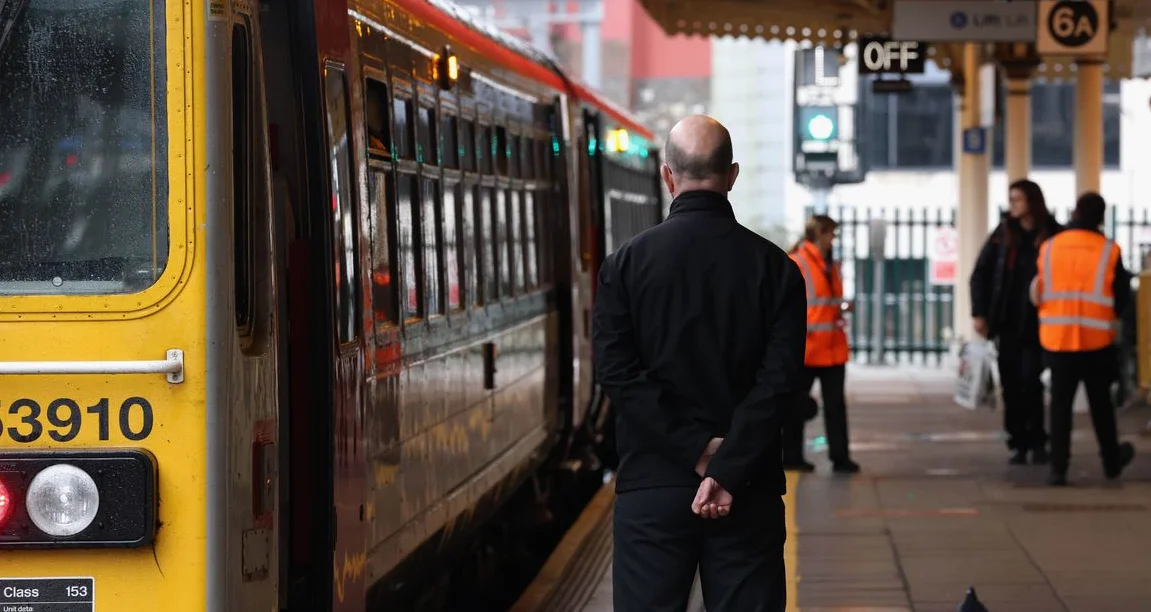
Thousands of UK train passengers will save an average of £126 annually starting March 1 as the Disabled Persons Railcard expands to include a broader range of disabilities. The change, announced by the Rail Delivery Group (RDG), marks a significant shift in accessibility and affordability for rail travel across the country.
Expanded Eligibility for Disabled Persons Railcard
The Disabled Persons Railcard (DPRC), which offers a third off rail fares for the cardholder and an accompanying adult, is being extended to cover more visible and non-visible disabilities. The update aims to ensure more people can access rail travel with confidence and at a reduced cost.
Jacqueline Starr, chief executive of the RDG, said the changes represent an important step forward in making the railway more inclusive. ‘We are working closely with the Labour Party government to build a railway that reflects the needs of the communities we serve today and in the future,’ she said.
The eligibility expansion will be introduced in two phases. Phase 1, effective from March 1, 2026, will extend access to individuals who can demonstrate their need through existing documentation, such as Blue Badge holders. Phase 2, scheduled for September 2026, will include conditions that require clinical or professional evidence, such as long-term or degenerative medical conditions and neurodiversity with a substantial impact on travel.
Financial Impact and Savings for Passengers
The DPRC costs £20 for one year or £54 for three years and can save the holder up to £126 annually. This applies to both the Railcard holder and an accompanying adult, offering significant savings on rail travel across the UK.
The Railcard can be purchased online at railcard.co.uk or by post. It provides a third off Anytime Day Travelcards when used for journeys to London from outside Zones 1-9, further enhancing the savings for frequent travelers.
Rail minister Lord Hendy emphasized the importance of accessibility in the UK’s railway system. ‘Everyone should be able to travel with confidence, whether commuting to work, accessing education, or visiting loved ones,’ he said. ‘We are putting accessibility at the heart of our railways through the Accessible Railways Roadmap.’
Pensioners Urged to Check Eligibility for Blue Light Card
Alongside the railcard expansion, pensioners are being encouraged to check if they qualify for the Blue Light Card, which offers s on public transport. Retired workers in eligible professions, including fire service, NHS, police, and armed services, can still the card even after leaving their roles.
The Blue Light Card can save retirees up to £150 annually on travel costs, including bus and train fares. A single bus fare is capped at £3 nationwide, making daily return journeys up to £6. For those traveling five days a week, this can add up to around £120 a month in transport costs.
Combined with train travel and petrol expenses, retirees spend an average of £1,435.82 a year on transport. By using the Blue Light Card’s Omio deal, retirees could save almost £150 annually on these essential costs.
Over 30 occupations are eligible for the Blue Light Card, with retired frontline workers who have at least four years of tenure being able to sign up. The scheme highlights the ongoing need to ensure that older workers, particularly those who have served in critical roles, continue to benefit from cost-saving measures.
As the rail industry moves forward with its Accessible Railways Roadmap, the changes to the Disabled Persons Railcard and the continued support for pensioners through the Blue Light Card represent a broader commitment to inclusivity and affordability in the UK’s transport network.





Comments
No comments yet
Be the first to share your thoughts