

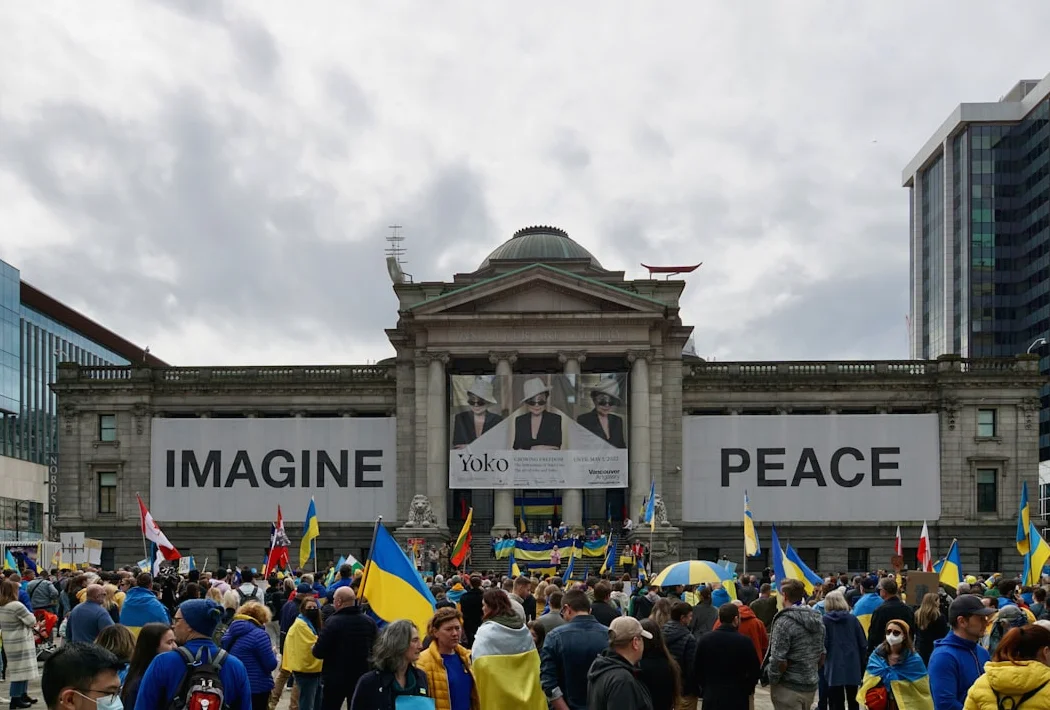
The ongoing peace negotiations between Ukraine and Russia have entered a temporary halt, according to the Kremlin, with the situation in the Middle East playing a central role in the delay. The pause, reported by Russian state media, suggests that the geopolitical dynamics in the region are influencing the course of the Ukraine conflict. However, Ukrainian officials remain hopeful that the talks could resume as early as this weekend.
Geopolitical Crosscurrents
Kremlin spokesperson Dmitry Peskov confirmed the temporary suspension of negotiations during a media briefing, stating that the pause is a result of the current geopolitical climate. He emphasized that the situation is ‘situational’ and linked to the ongoing crisis in the Middle East, which has drawn international attention and resources.
‘This is a situational pause, for obvious reasons,’ Peskov said, as reported by Reuters. He expressed the hope that the United States, currently focused on Middle East developments, would soon be able to reorient its attention back to the Ukraine conflict and restart negotiations in a more effective manner.
Meanwhile, Ukrainian President Volodymyr Zelenskyy has expressed optimism about the potential for renewed talks. In a video message posted on X, he stated that Kyiv has received signals from U.S. officials indicating a readiness to engage in negotiations aimed at ending the war. ‘There has been a pause in the talks, and it is time to resume them,’ Zelenskyy said. ‘We are doing everything to ensure that the negotiations are genuinely substantive.’
Ukraine’s Role in the Middle East Conflict
The pause in peace talks coincides with Ukraine’s growing involvement in the Middle East conflict, particularly as tensions between Iran and Israel escalate. With the conflict in Iran now in its third week, Ukraine is reportedly sharing battlefield-tested tactics and technology to help counter Iranian drone attacks.
U.S. and Gulf state partners have requested Ukrainian assistance in countering aerial threats, and Kyiv has signaled its willingness to provide both systems and personnel to support regional defenses. This growing involvement places Ukraine at the intersection of two major geopolitical conflicts, adding complexity to the already challenging diplomatic landscape.
According to NATO Secretary General Mark Rutte, Russia is losing between 20,000 and 25,000 troops each month in its war against Ukraine. This staggering loss of personnel has raised concerns about the sustainability of the Russian military campaign, but it has also intensified the pressure on both sides to find a resolution to the conflict.
Trump’s Remarks on the Stalemate
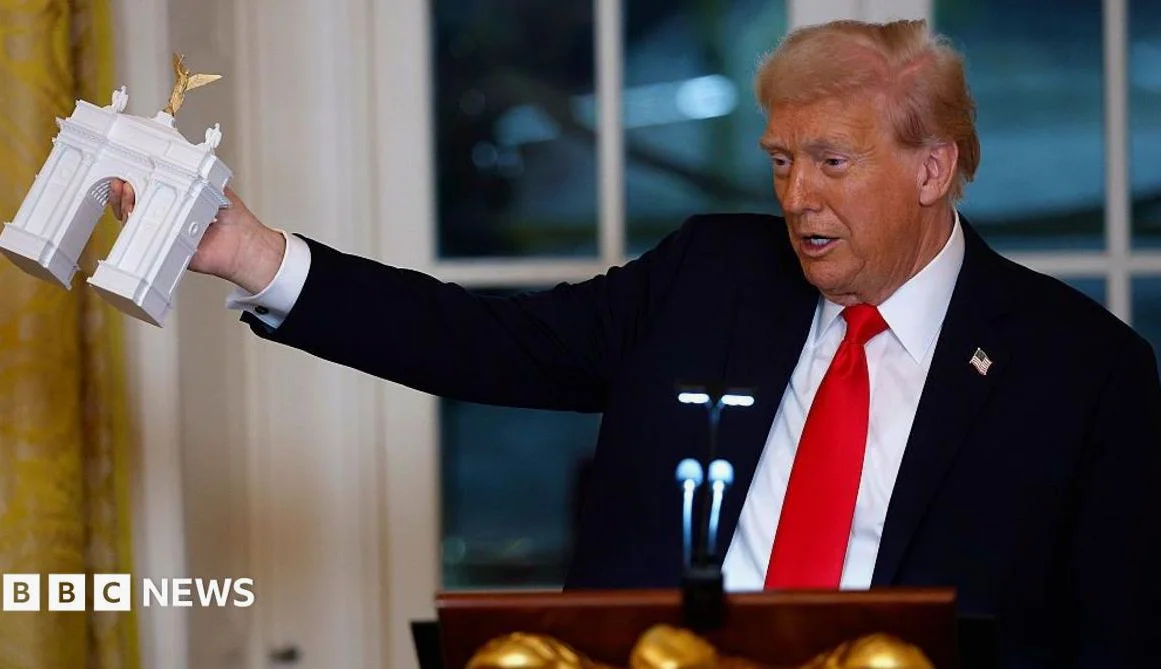
Adding to the uncertainty, former U.S. President Donald Trump recently commented on the stalled peace talks, suggesting that the deep-seated ‘hatred’ between Russian President Vladimir Putin and Zelenskyy is a major obstacle to reaching a deal. Speaking at the Shield of the Americas Summit in Doral, Florida, Trump said, ‘The hatred between Putin and his counterpart is so great that, you know, Ukraine, Russia, you’d think there would be a little bit of camaraderie, but there’s not. And the hatred is so great. It’s very hard for them to get there.’
Trump’s remarks, while not necessarily indicating a definitive stance on the conflict, highlight the challenges of bridging the gap between the two nations. He noted that while the two sides have come close to a deal on several occasions, one or the other has often backed out, leaving the negotiations in limbo.
Despite these challenges, Zelenskyy has indicated that a Ukrainian negotiating team is already en route to the United States and is expected to hold meetings on Saturday. This signals a continued commitment to diplomatic engagement, even in the face of geopolitical turbulence.
The current pause in talks highlights the delicate balance of global politics, where regional conflicts can significantly impact broader international negotiations. As the situation in the Middle East continues to evolve, the future of Ukraine peace talks remains uncertain, with both sides cautiously handling the complex web of alliances and rivalries.
Analysts suggest that the resumption of talks will depend largely on how the Middle East crisis develops and whether the United States can shift its focus back to the Ukraine conflict. With both sides showing some willingness to engage, the hope remains that a breakthrough is possible, even if it is not imminent.
For ordinary citizens in both Ukraine and Russia, the pause in talks means continued uncertainty and potential risks. The conflict has already caused significant human and economic losses, and any delay in reaching a resolution could further strain resources and lives on both sides of the front lines.
As the international community watches the developments closely, the stakes remain high. The outcome of the ongoing negotiations could have far-reaching implications not only for the people of Ukraine and Russia but also for the stability of the broader region and the global balance of power.


Comments
No comments yet
Be the first to share your thoughts