

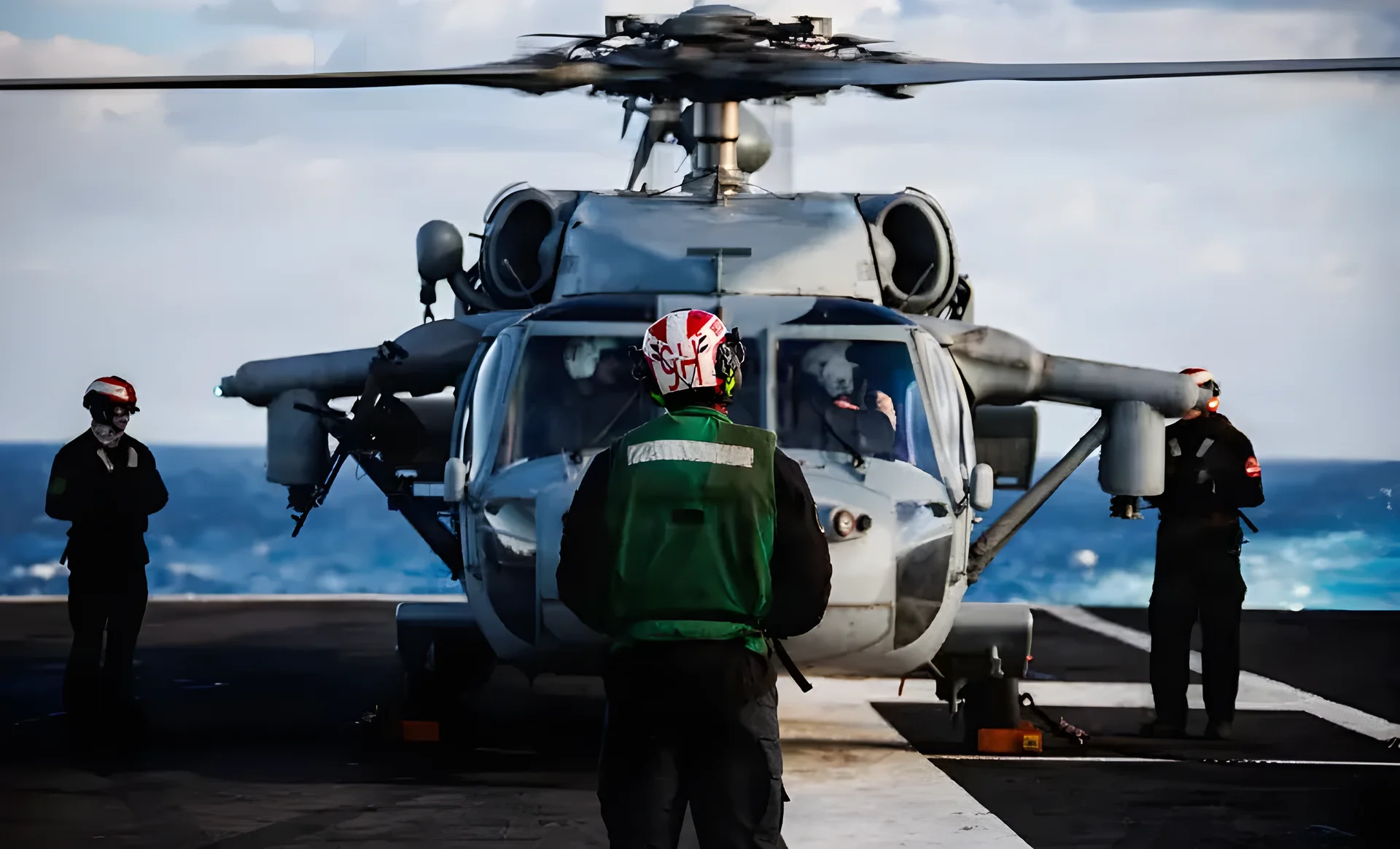
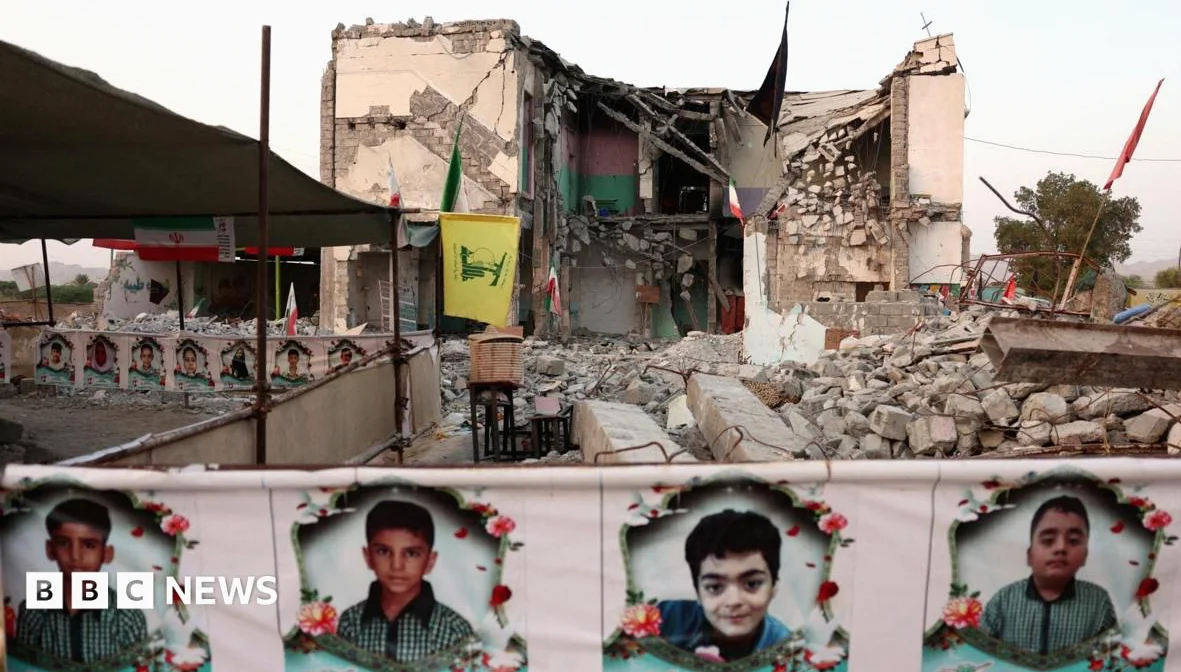
The United States and Israel launched air strikes against Iran on February 28, despite ongoing negotiations and significant concessions from Tehran, marking a sharp escalation in tensions across the Middle East. The attacks, which targeted military and strategic sites, came just days after Iran had reportedly made major concessions, including allowing American inspectors into the country to verify its nuclear program.
Strikes Despite Diplomatic Efforts
According to reports, the U.S. had deployed more than 250 combat aircraft in the region, the largest concentration of air power ever amassed against a potential adversary, as noted by Professor Robert Pape of the University of Chicago. Despite this show of force, Iran had been making significant diplomatic overtures, including agreeing to inspections, according to Trump’s Special Envoy Steve Witkoff, who said the administration was surprised by the lack of complete capitulation.
Iran’s stance has been rooted in its core principle of independence since the 1979 revolution, with the government refusing to abandon its ballistic missile program or its support for regional proxies. This defiance has put it at odds with Israel and the U.S., which have long sought to curb Iran’s influence in the region.
International Reactions and Legal Concerns
The strikes have drawn sharp criticism from international legal scholars, with Marco Milanović noting that the use of force against Iran would be illegal under international law unless Iran had both the intent and capability to attack the U.S. or Israel, and the attack was necessary to prevent such an attack. None of these conditions are met, he said.
Iran has asserted its right to self-defense under Article 51 of the UN Charter, and analysts warn that the U.S. may be ill-prepared for a prolonged conflict. Pentagon leaks prior to the strikes indicated concerns about the U.S. military’s ability to sustain a long war, particularly given current shortages of munitions and air defense systems.
Wargames conducted in 2023 suggested that in the event of a war with China, the U.S. could exhaust its stockpiles of long-range, precision-guided munitions in less than a week. However, analysts say the situation with Iran could be even more precarious, given the potential for rapid escalation and the risk of Iran targeting U.S. bases in the region.
Regional Implications and Strategic Moves
Iran’s response has included targeting U.S. military installations in the region, a move that could force surrounding Arab states to seek a ceasefire. The country has also been preparing to potentially close the Strait of Hormuz, a critical waterway for global oil trade, which could have significant economic repercussions.
Meanwhile, former Israeli Defense Minister Yoav Gallant, wanted by the International Criminal Court for war crimes, has shifted focus to Turkey, suggesting that the next strategic shift in the Middle East may involve countering Ankara’s growing influence. Gallant’s article on February 27 emphasized Turkey’s emerging role in shaping the region’s future, a move that contrasts with previous Israeli ambitions to focus on Iran.
The strikes have also raised questions about the credibility of U.S. diplomacy, with some analysts arguing that the administration’s approach to Iran has been more about military pressure than genuine negotiation. The move comes amid growing regional opposition, with countries like Saudi Arabia, Qatar, Oman, and Turkey reportedly lobbying against the attacks.
As the situation unfolds, the U.S. faces a critical juncture in its Middle East policy. With Iran’s potential retaliation and the risk of a protracted conflict, the administration must now decide whether to escalate further or seek a diplomatic resolution to de-escalate tensions in the region.



Comments
No comments yet
Be the first to share your thoughts