

 BBC
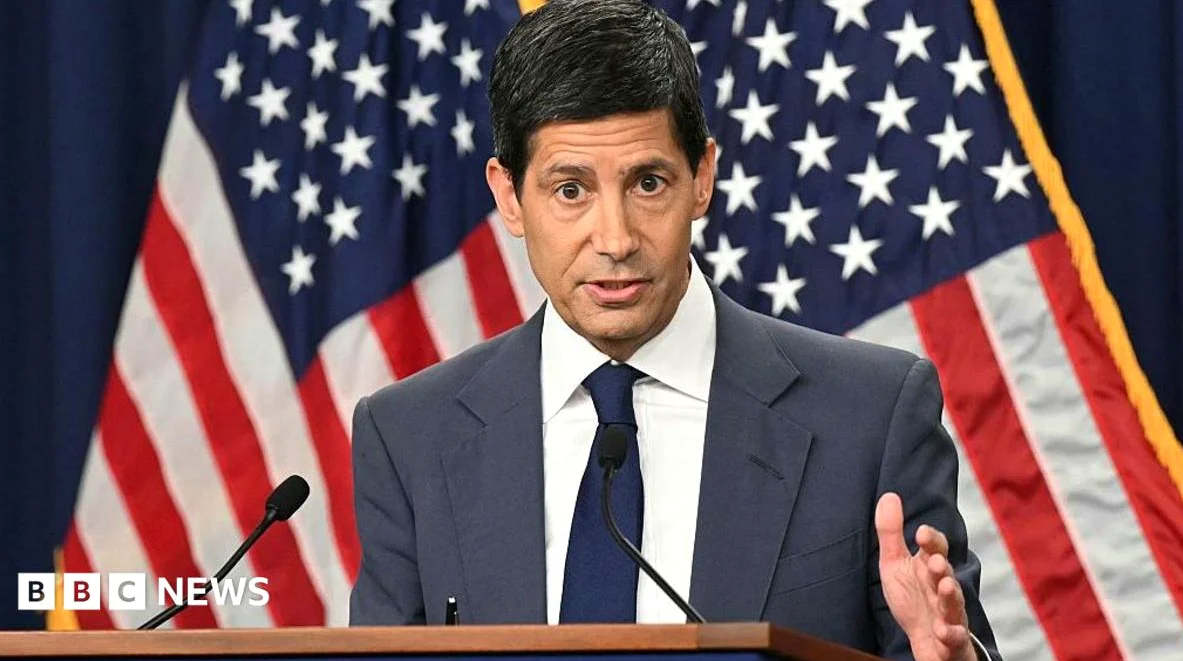
The US Federal Reserve has kept interest rates steady at 3.75%-4%, according to the latest decision announced. This decision came just days before the midterm elections and after the central bank raised rates for the first time in three years at its September meeting. Fed Chair Kevin Warsh said the central bank is gathering more information before making further decisions.
Federal Reserve Rate and Its Influence on the Economy
The federal funds rate is the interest rate used by commercial banks for overnight borrowing. This rate influences the cost of borrowing and the return on savings for individuals and businesses. The Fed adjusts this rate to manage inflation and maintain a stable job market.
Current Economic Conditions and Inflation
The US economy is growing at a stronger pace than expected, with an annualized growth rate of 3.4% in the three months to September. Inflation remains above the Fed’s 2% target, reaching 3.7% in the year to September, driven by rising fuel and energy prices linked to the war in Iran.
Warsh acknowledged that inflation is still too high but noted signs that the economy is moving in the right direction, including tightening credit conditions. The Fed will continue to monitor incoming data before making further decisions on interest rates.
Impact on Mortgages, Credit Cards, and Savings
Interest rate changes affect the cost of mortgages, credit cards, and savings. When the Fed raises rates, borrowing costs tend to increase, which can slow spending and investment. Conversely, lower rates encourage borrowing and spending. Leaving rates unchanged means these costs are likely to remain stable in the near term.
Two members of the Fed’s 12-member committee voted against the decision to keep rates steady. Lisa Cook and Beth Hammack preferred a rate increase to 4%-4.25%. The next Fed meeting is scheduled for 8-9 December, when further economic data will be reviewed.





Comments
No comments yet
Be the first to share your thoughts