

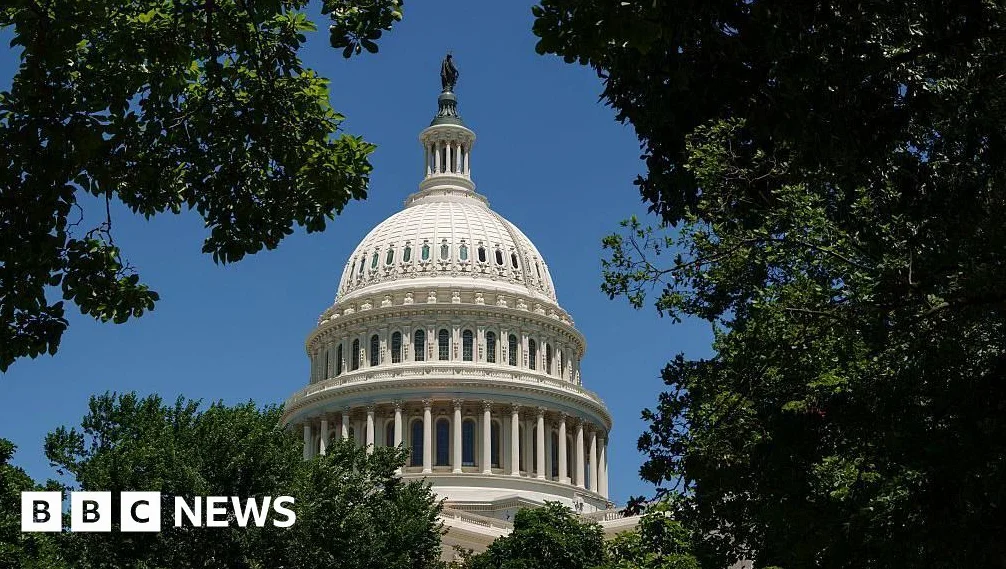
The House passed the resolution by a 215-208 vote, with four Republicans,Thomas Massie, Brian Fitzpatrick, Tom Barrett, and Warren Davidson—joining Democrats in a rare show of bipartisan disapproval of the war, which began in February. This is the fourth attempt by the House to curtail Trump’s war powers, which critics argue lack congressional approval. According to the BBC, the vote reflects growing discontent over the conflict.
Bipartisan effort and symbolic nature of the vote
Rep. Gregory Meeks, the top Democrat on the House Foreign Affairs Committee, described the vote as ‘a significant bipartisan rebuke of President Trump’s illegal and costly war in Iran and the first step toward ending it once and for all.’ According to NBC News, the resolution requires Trump to remove U.S. armed forces from hostilities with Iran unless Congress votes to declare war or authorizes the use of military force. However, it is not a binding measure and does not force Trump to end the war.
Republicans had previously rejected three similar resolutions this year. The most recent vote ended in a 212-212 tie, with Democrats celebrating the result as a sign that more Americans are turning against the war. According to NBC News, the House had previously delayed the vote on this resolution when it appeared too many Republicans were absent to defeat it.
Path to Senate and potential veto
The resolution still needs approval from the Republican-controlled Senate. Even if it passes there, it is unlikely to fully curb military action against Iran. According to the BBC, the House resolution must also be passed in the Senate before being sent to the president. Trump could veto the measure, which would require a two-thirds majority in both chambers to override.
Meanwhile, the Senate passed a similar resolution in May, but it has yet to vote on the version advanced by the House. The Senate version is more stringent, requiring Trump to end the war without waiting for congressional approval. However, this version would need to pass the House and face potential presidential veto.
Trump’s stance and ongoing conflict
Despite a ceasefire agreement, both the U.S. and Iran have exchanged strikes in recent days. Ahead of the vote, Trump again asserted that negotiations to end the war are going ‘very well’ and could be finalized this weekend, according to the BBC. Critics argue, however, that Trump has failed to achieve the war’s stated aims while pushing fuel prices upward and making a diplomatic solution to Iran’s nuclear program more difficult to achieve.
Rep. Jared Golden of Maine, who had previously voted against similar measures, supported the resolution this time, adding to its symbolic weight. The vote is seen as a step toward ending the conflict but does not guarantee immediate action to halt military operations.






Comments
No comments yet
Be the first to share your thoughts