

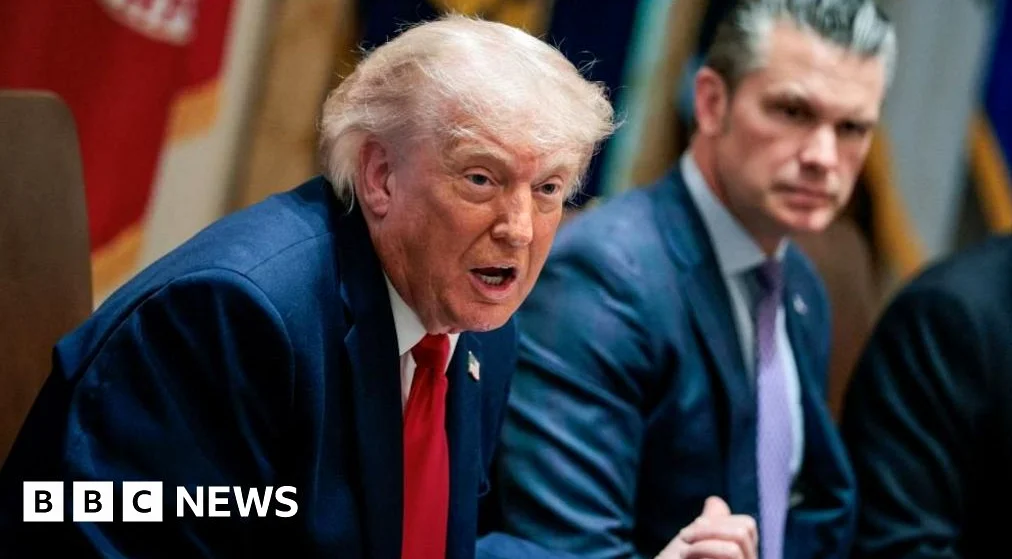
Ceasefire in limbo amid conflicting military actions
According to BBC. Negotiators from the US and Iran have reached a tentative agreement for a 60-day extension of the ceasefire, which began on 8 April and has already lasted longer than the initial phase of active fighting. However, the extension still requires approval from US President Donald Trump and has not been confirmed by Iran; Recent military actions have tested the ceasefire, with the US Central Command (Centcom) reporting a strike on a “ground control site” in Bandar Abbas, Iran. In response, Iran’s Islamic Major Guard Corps (IRGC) claimed it attacked an American air base, though it did not specify which one, but Centcom later confirmed a ballistic missile was intercepted over Kuwait, calling the attack an “egregious ceasefire violation.”
Market reactions reflect uncertainty over war or peace
According to TMGM (deu), hopes for a diplomatic resolution have lifted investor risk appetite, leading to a 0.69% rally in the AUD/USD pair. The S&P 500 also surged 2.3%, marking its best session since the conflict began. The optimism comes as reports suggest the White House is preparing to halt military operations against Iran. Meanwhile, the Reserve Bank of Australia raised interest rates to 4.10% in March due to inflation pressures linked to the Middle East energy shock. On the US side, the Federal Reserve held the federal funds rate steady at 3.50% to 3.75%, with Chair Jerome Powell citing uncertainty from the conflict.
Investors weigh de-escalation against unresolved tensions
The index erased earlier losses and pushed above 50,000. According to TMGM (kor), the Dow Jones Industrial Average surged after Iranian state media, citing Al Arabiya, reported that a final draft of a US-Iran agreement had been reached through Pakistani mediation and could be announced within hours. A potential de-escalation could ease inflation concerns tied to oil prices, which have been a major factor in the Fed’s policy decisions. The timing of the report also appears significant, with rate-cut advocate Kevin Warsh set to become Fed chair, as the easing of tensions could open the door to a more accommodative monetary policy.



Comments
No comments yet
Be the first to share your thoughts