

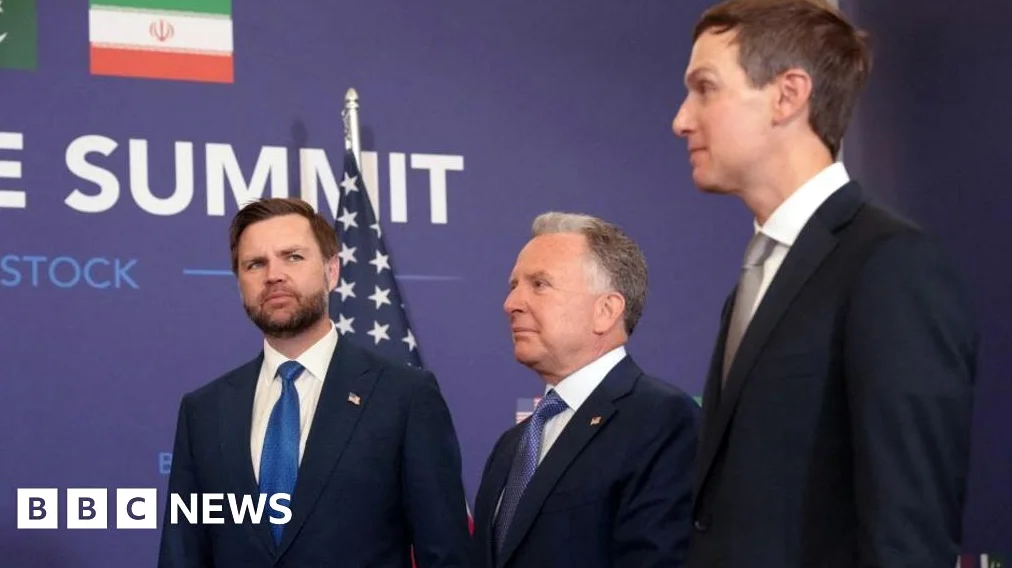
Postponed Negotiations and Rising Tensions
Talks scheduled for this Friday in Switzerland between the United States and Iran to initiate a peace agreement have been postponed, according to Todo Alicante. The meeting. Intended to be the first physical meeting between the two delegations following a digital signing of a memorandum of understanding, was abruptly cancelled by Tehran — the cancellation was attributed to a need for assurances from the White House regarding the pact’s seriousness.
The White House issued a statement confirming that Vice President JD Vance would not travel to Europe, though a spokesperson noted that logistics for the negotiations had been unpredictable. Despite the setback, the White House expressed hope to initiate technical talks soon.
Deal Terms and Logistics
According to sources cited by Reuters and detailed in AOL.com, the draft agreement includes the U.S. releasing $25 billion in frozen Iranian assets — In return, Iran would halt uranium enrichment and any expansion of nuclear facilities for 60 days while further negotiations occur. The deal also aims to reopen the Strait of Hormuz, a key shipping lane currently closed by Iran, as reported by Todo Alicante; At least 80 underwater mines need to be deactivated before the strait can be considered safe for navigation.
Iran’s Deputy Foreign Minister. Kazem Gharibabadi, confirmed the Friday signing in Geneva, aligning with the timeline set by Pakistan, a key mediator; he noted that last-minute negotiations, mediated by Qatar, lasted about 15 hours and both sides approved revisions to the text. The U.S. had initially planned a signing ceremony in Geneva for Friday, but Iran’s Foreign Ministry announced its president had digitally signed the memorandum, making a formal ceremony unnecessary.
Logistical Challenges and Last-Minute Changes
Vice President JD Vance had planned to travel to Switzerland to oversee the technical negotiations. However, he abruptly cancelled the trip hours before departure, citing unresolved logistics. According to AOL.com, Vance had publicly expressed confidence about the trip just hours before the cancellation. The White House cited that the delegation was prepared to depart at the first available opportunity but the talks were not ready. Iran also reportedly cancelled its delegation’s flight the same day, citing ongoing Israeli strikes on Hezbollah in Lebanon.
The delay has cast doubt over the next steps for the Iran deal. The agreement includes a 60-day window to finalise a deal on Iran’s nuclear programme and lifts the US naval blockade on the Strait of Hormuz. However, the deal leaves Iran’s uranium stockpile untouched, an issue Vance was specifically heading to Switzerland to negotiate.
According to Todo Alicante, the suspension will not affect the mission to reopen the Strait of Hormuz, although it may not proceed as swiftly as anticipated. The Swiss town of Obbürgen was prepared to host the delegations, with security checks still in place despite the cancellation. The White House had already sent dozens of officials to Switzerland to prepare for the meeting.






Comments
No comments yet
Be the first to share your thoughts