

 BBC
BBC 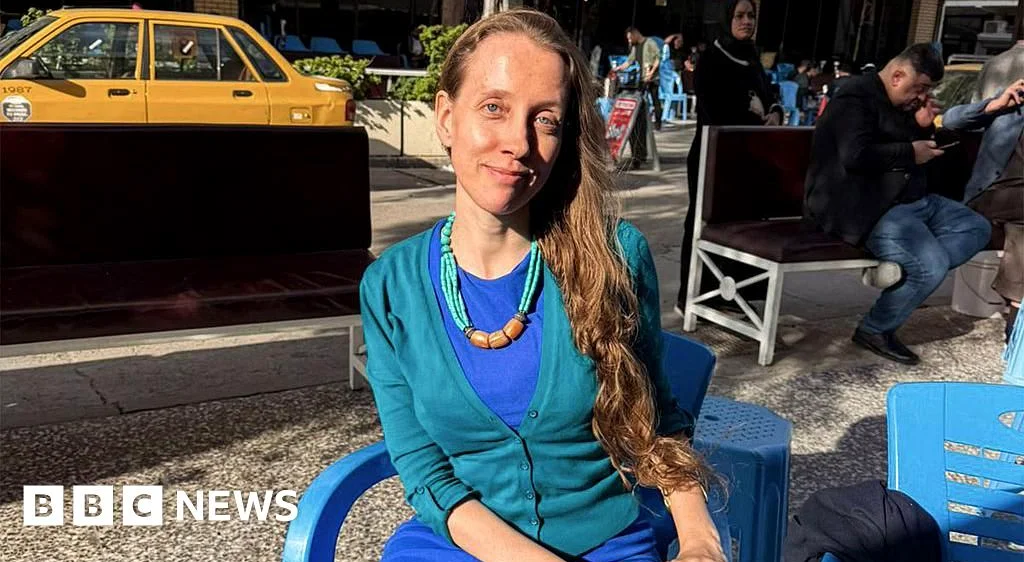
A US freelance journalist kidnapped in Baghdad has been scheduled for release, according to an Iran-backed militia, which stated she must leave Iraq immediately. Kataib Hezbollah. A group aligned with Iran. Announced on Tuesday that Shelly Kittleson, who was taken on 31 March, would be freed under the condition that she leave the country right away.
Militia’s Statement and Conditions
Abu Mujahid al-Assaf. A security official within Kataib Hezbollah, said in a statement that the group had decided to release Kittleson in recognition of the national stances of the outgoing prime minister. The statement was made public on Tuesday, marking a significant development in the case.
The New York Times and Associated Press reported that Kittleson was released on Tuesday, citing Iraqi officials, and However, her current location remains unclear, and no official confirmation from the US government has been provided.
At the time of her abduction. The Iraqi government stated that security forces had pursued the suspects, leading to the overturning of one of the kidnappers’ cars and the arrest of one individual. This pursuit was part of a broader effort by Iraqi authorities to address the abduction of foreigners.
Context of the Abduction
Last week. Iraqi Prime Minister Mohammed Shiaa al-Sudani ordered security forces to pursue those responsible for the abduction of foreigners. This directive came in response to the kidnapping of Kittleson, which occurred amid ongoing attacks by Iran and its allied Iraqi Shia militias on US-associated targets across Iraq and the wider region.
In a separate post. Assaf said the group would release a recording that would show Kittleson’s ‘role and activities in Iraq,’ though no further details were provided. This development has raised questions about the nature of her work and the circumstances surrounding her capture.
Kittleson’s friend and emergency contact, CNN national security analyst Alex Plitsas, said he had seen the ‘alleged statement’ about her release but added that there was ‘no official confirmation from the United States government that this is true.’
It is understood that US officials had contacted Kittleson multiple times before her abduction to warn her of threats against her. Plitsas previously told CBS, the BBC’s US news partner, that Kittleson had been warned by the US government about a specific threat to her from Iran-backed paramilitaries.
He said Kittleson had been informed that her name was on a list in the possession of Kataib Hezbollah, which was said to be plotting to kidnap or kill female journalists. This information highlights the potential risks faced by journalists operating in Iraq, particularly those covering sensitive topics.
Background on the Journalist
Kittleson, based in Rome, Italy, has covered conflicts in Afghanistan, Iraq, and Syria. According to her bio on X, she has worked for numerous publications, including the New York Times and Associated Press.
The US State Department has issued warnings to its citizens not to travel to Iraq, citing the ongoing instability and threats posed by groups like Kataib Hezbollah. This advisory exposes the heightened risks for journalists and foreign nationals in the region.
As the situation unfolds, the release of Shelly Kittleson marks a critical moment in the ongoing tensions between US and Iranian-aligned forces in Iraq. The circumstances surrounding her abduction and release continue to be closely monitored by international media and security officials.






Comments
No comments yet
Be the first to share your thoughts