

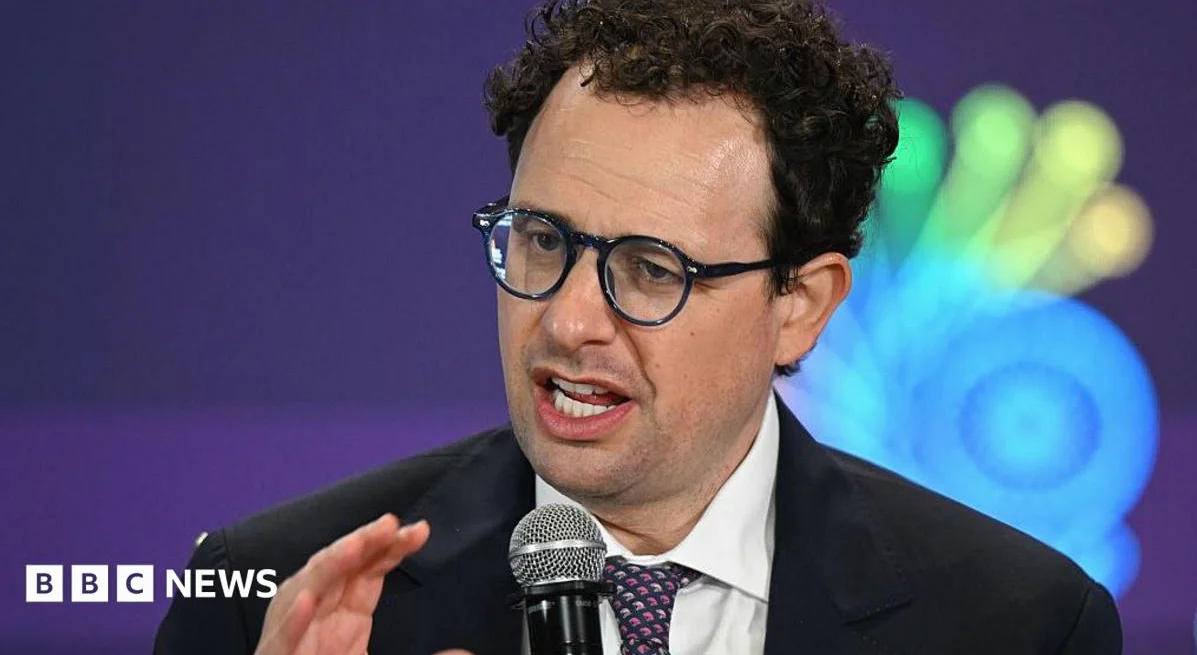
The US government has lifted an export ban on Anthropic’s advanced AI models Fable and Mythos, according to Al Jazeera; this development has sparked industry discussions about the broader implications for AI governance and regulatory oversight.
Industry Reactions and Regulatory Questions
Experts are questioning what this move signals for the AI industry. Abraham, a source cited in the report, asked, “The biggest question now is: What precedent does this set for the industry? Does the US government need to approve every frontier model release?” He also noted that similar debates are already emerging, citing the recent GPT-5.6 release.
This regulatory shift highlights the growing tension between innovation and control in the AI sector. The removal of the export ban may indicate a shift in policy, though it remains unclear whether this will apply to all advanced AI models or just specific cases like Fable and Mythos.
Green Hydrogen Challenges in Germany
Meanwhile, in Germany, the green hydrogen industry is struggling with a mismatch between production capacity and demand, according to a BBC report. Quest One, a manufacturer of proton exchange membrane electrolysers, is producing devices that split water into hydrogen and oxygen more efficiently than manual labor. However, order volumes remain low, leading to layoffs at the company.
Quest One’s executive vice president for customer operations, Nima Pegemanyfar, acknowledged that demand is the primary issue. “The market itself is not picking up organically,” he said. “Demand is the problem. It’s not supply.” The company recently laid off 20% of its workforce in Germany, despite the potential for the plant to support nearly double the current staff.
One of the main challenges facing green hydrogen is its cost. Green hydrogen remains significantly more expensive than hydrogen produced from fossil fuels. Low-emissions hydrogen production accounts for less than 1% of global hydrogen production, with green and blue hydrogen both struggling to gain traction at scale.
Cost and Scalability Hurdles
Quest One aims to reduce the cost of green hydrogen production to €4 ($4.60; £3.50) per kilogram, which would be about half of the current price in Germany. Achieving this would require scaling up production and increasing demand, but many green hydrogen projects remain small and fragmented.
The challenge is not just about supply. The lack of demand and high production costs are limiting the industry’s growth. Until the market for green hydrogen expands, companies like Quest One will continue to face operational and financial pressures.


Comments
No comments yet
Be the first to share your thoughts