

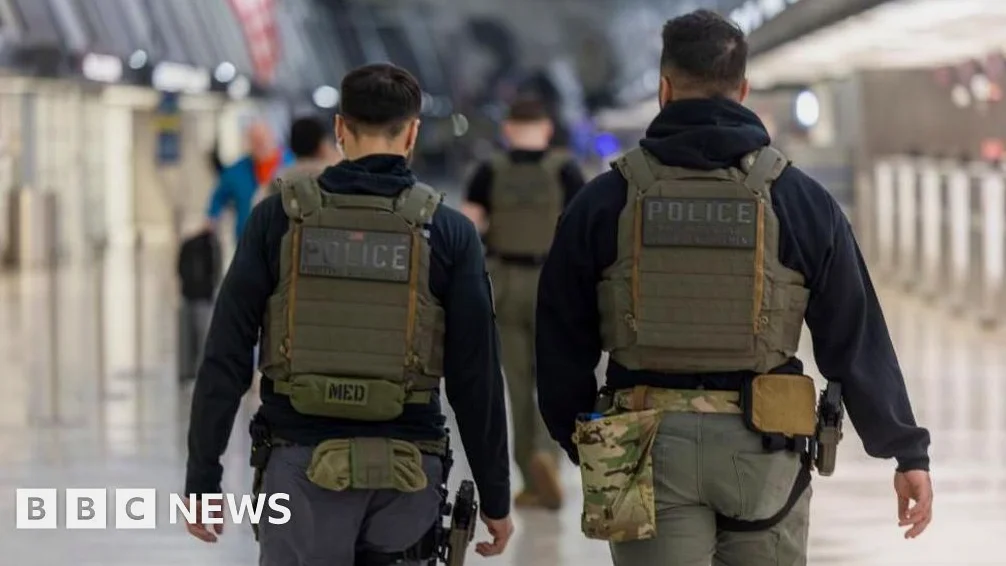
The US Senate has passed a bill to fund most of the Department of Homeland Security (DHS), aiming to end the crisis at airports caused by the partial government shutdown, according to multiple reports. The move comes as long lines and delays at major airports continue to plague travelers, with TSA agents missing work due to a second paycheck delay and increasingly calling in sick, as reported by The Texas Tribune.
Airport Chaos Intensifies in Houston
At Houston’s George Bush Intercontinental Airport, the busiest in the state, wait times are expected to worsen over the weekend as TSA agents continue to miss work. The partial government shutdown has left many workers without a second paycheck, prompting some to call in sick, according to The Texas Tribune, though this has led to severe delays and growing frustration among passengers.
Travelers have reported wait times of over an hour for security checks, with some lines stretching for blocks outside the terminal. The situation has been described as chaotic by several passengers, with one traveler stating, ‘It’s like waiting in line for a theme park ride, but without the fun,’ according to a local news report.
The Texas Tribune also reported that the crisis is expected to continue until the Senate bill is signed into law, which would provide critical funding to the TSA and other DHS agencies. However, the bill still needs approval from the House of Representatives before it can become law.
Senate Bill Moves to House for Final Approval
The Senate’s approval of the bill was a significant step toward ending the government shutdown, according to CNBC. The bill. Which funds most of the DHS. Was passed in a bipartisan vote. With lawmakers emphasizing the need to prevent further disruptions to air travel and national security operations.
According to a Senate source. The bill includes $10 billion in emergency funding for the TSA and other critical agencies. The House is expected to take up the bill in the coming days, with a final vote likely to occur by the end of the week. If passed. The funding would be retroactive to the start of the shutdown, which began in early March.
Senators from both parties have expressed relief at the Senate’s decision, noting that the situation has already cost the economy millions in lost productivity and delayed travel. ‘This is a critical step toward resolving the crisis,’ said Senator Chuck Schumer, a Democrat from New York, during a press conference.
Local Impact: Texas and Beyond
The crisis has had a particularly severe impact in Texas, where the largest airport in the state is experiencing the worst delays. According to The Texas Tribune. The situation has led to a spike in complaints from local residents and businesses — some have called for immediate action from state and federal officials to address the issue.
Meanwhile, in California, airports such as Los Angeles International Airport (LAX) have also reported significant delays, though the situation is slightly less severe than in Houston. Local news outlets in California have highlighted the growing concern over the lack of federal funding for TSA agents, with many workers now facing financial instability.
One TSA agent in Houston, who asked to remain anonymous, said, ‘We’re not getting paid for the extra hours we’re working, and we’re being forced to take unpaid leave. It’s not sustainable,’ according to a report from The Texas Tribune.
Measles Outbreak in Detention Facilities Sparks Concern
Amid the government shutdown, another crisis has emerged in Texas, where a measles outbreak at a federal detention facility has raised concerns about public health. According to The Texas Tribune, most of the state’s measles cases reported so far this year are linked to the West Texas Detention Facility in Hudspeth County. Four infected individuals from El Paso are believed to have been exposed to the virus while working at the facility.
The outbreak has led to increased scrutiny of conditions in detention centers, with local officials calling for immediate action to prevent the spread of the disease. ‘This is a public health emergency that requires swift intervention,’ said a local health official in a statement.
Public health experts have warned that the outbreak could spread to other areas if not contained, particularly in regions with high population density. The situation has also raised questions about the adequacy of medical care provided to detainees during the government shutdown.
What’s Next for the Shutdown?
The House of Representatives is expected to take up the Senate’s funding bill in the coming days, with a final vote likely to occur by the end of the week. If passed, the bill would provide critical funding to the TSA and other agencies, allowing them to resume normal operations and reduce delays at airports.
However, the situation remains uncertain, as the House has not yet scheduled a vote on the bill. Some lawmakers have expressed concerns about the timing of the vote, arguing that it should be held sooner to prevent further disruptions to air travel and national security operations.
Meanwhile, the government shutdown continues to have wide-reaching consequences, affecting everything from air travel to public health. As the situation develops, officials are urging travelers to plan accordingly and consider alternative routes if possible.
Why It Matters
The partial government shutdown has had a significant impact on air travel, with long lines and delays at major airports across the country. The Senate’s approval of the funding bill is a critical step toward ending the crisis, but the situation remains unresolved until the House of Representatives acts.
The outbreak of measles at a federal detention facility in Texas has also raised concerns about public health and the adequacy of medical care provided to detainees. These issues highlight the broader consequences of the government shutdown and the need for immediate action to address the growing crisis.
As the situation continues to unfold, officials are urging travelers and the public to stay informed and take necessary precautions to minimize the impact of the ongoing shutdown.






Comments
No comments yet
Be the first to share your thoughts