

US Central Command has intensified its military campaign against Iran, striking over 3,000 targets inside the country during the first week of ‘Operation Epic Fury,’ according to a statement released on X. The military operation follows a devastating US-Israel strike that killed Iran’s Supreme Leader, Ayatollah Ali Khamenei, and triggered a wave of retaliatory attacks from Tehran.
Operation Epic Fury and the Scale of Strikes
According to US Central Command, the strikes have targeted a wide range of Iranian military and infrastructure sites, including missile silos, command centers, and radar installations. The military command emphasized that the operation is ongoing and that ‘we are not slowing down.’ The scale of the strikes has been described as unprecedented in the region, with reports suggesting that the operation has affected multiple provinces across Iran.
The statement from Central Command did not specify the exact locations of the strikes, but analysts believe the attacks are focused on key military and strategic assets in the country. The operation is part of a broader effort to cripple Iran’s military capabilities and deter further attacks on US and Israeli interests in the region.
Trump Demands ‘Unconditional Surrender’
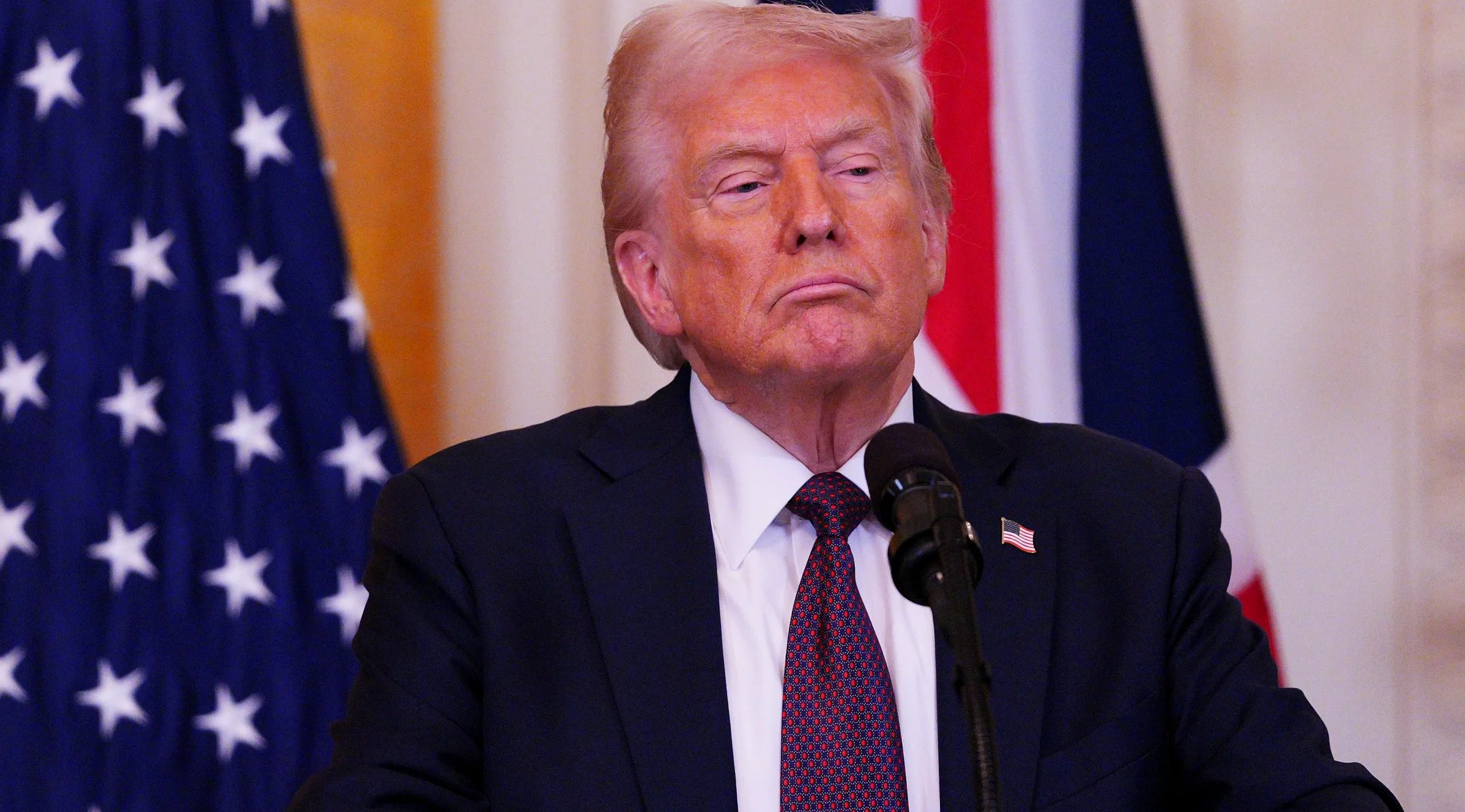
President Donald Trump has announced that the United States will not negotiate with Iran unless it agrees to ‘unconditional surrender.’ In a post on Truth Social, Trump stated that any diplomatic deal with Iran must be preceded by a complete capitulation of the country’s leadership and the selection of ‘great & acceptable leader(s).’ He emphasized that the US and its allies would only consider an agreement after Iran’s leadership has been replaced.
‘There will be no deal with Iran except UNCONDITIONAL SURRENDER! After that, and the selection of a GREAT & ACCEPTABLE Leader(s), we, and many of our wonderful and very brave allies and partners, will work tirelessly to bring Iran back from the brink of destruction,’ Trump wrote, echoing his signature political rhetoric with the phrase ‘MAKE IRAN GREAT AGAIN (MIGA!).’
Trump also expressed a desire to be personally involved in the selection of Iran’s next Supreme Leader, drawing a comparison to his role in political developments in Venezuela. He specifically criticized the possible succession of Mojtaba Khamenei, the son of the late Supreme Leader, whom he described as a ‘lightweight.’
Iran’s Response and the Regional Fallout
The escalation follows a joint US-Israel military strike on February 28, which killed Khamenei and other senior Iranian officials. In response, Iran launched a series of drone and missile attacks across multiple Arab countries, targeting American military bases and Israeli assets. The attacks have caused significant damage and raised concerns about the potential for a wider regional conflict.
Meanwhile, Israel has continued its strikes on Iranian targets and has expanded the conflict to Lebanon, where it has targeted the Iranian-backed group Hezbollah. The situation has become increasingly volatile, with multiple nations involved in the escalating tensions.
Iran has denied reports of any official candidates for the next Supreme Leader, stating that such claims have no basis in reality. According to the Consulate General in Mumbai, the Iranian government has officially refuted suggestions that Mojtaba Khamenei is a frontrunner for the position.
Despite the denials, analysts believe that Mojtaba Khamenei remains a leading contender for the role. His close ties to the Islamic Major Guard Corps (IRGC) and his position as the son of the former Supreme Leader have made him a prominent figure in Iranian politics.
Trump has warned that any continuation of policies similar to those of Khamenei could lead to renewed conflict with the United States. He has also stated that the US will not accept any new Iranian leader who would pursue the same policies as the late Supreme Leader.
As the situation continues to unfold, the international community is closely watching the developments in the region. The coming weeks will be critical in determining the trajectory of the conflict and the potential for a diplomatic resolution.






Comments
No comments yet
Be the first to share your thoughts