

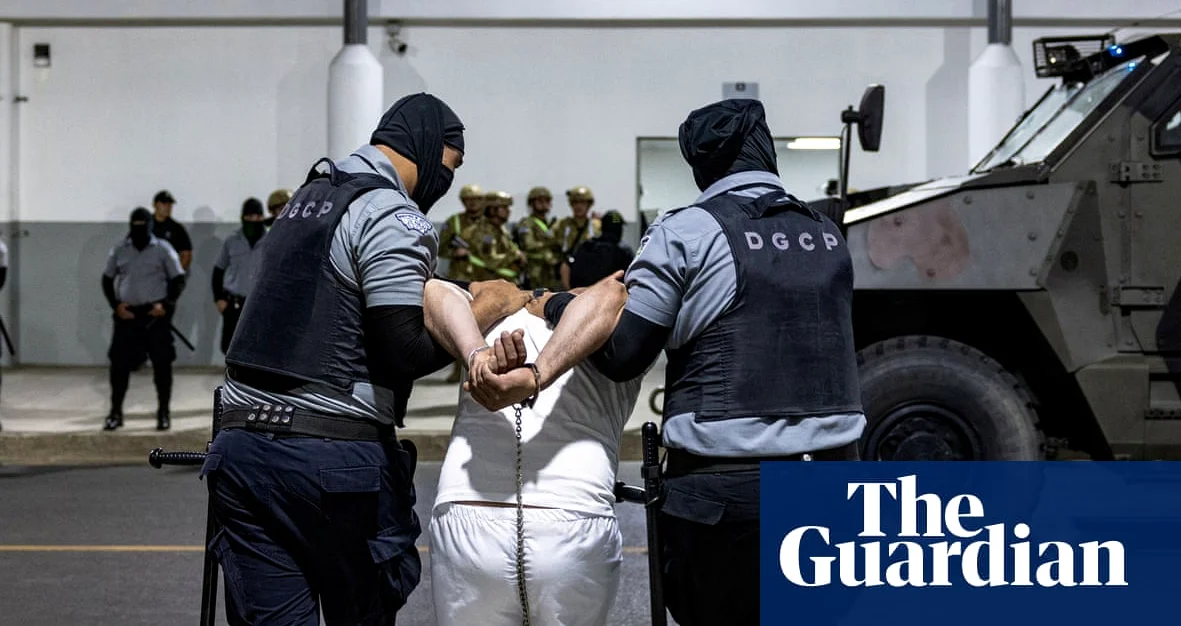
Venezuelans deported by the United States have detailed fresh claims of torture and abuse at a large prison in El Salvador, according to multiple reports. The allegations, shared by several individuals who were recently expelled from the U.S. and held in the country’s immigration detention system, have raised concerns about the treatment of detainees in the region and the conditions at the prison facility.
Claims of Torture and Abuse
According to reports, several Venezuelans who were deported from the United States described experiencing physical and psychological abuse while being held in El Salvador’s immigration detention centers. One detainee, identified as Carlos R., told Reuters that he was subjected to beatings and forced to stay in overcrowded cells without adequate food or medical care.
Carlos R. stated, ‘They would beat us with sticks and call us names. We were locked in cells for 24 hours without light or water. I saw people get injured and no one helped them.’ His account aligns with similar reports from other detainees who described similar treatment.
Another individual, who requested anonymity, told the BBC that guards at the facility would use threats and intimidation to control the detainees. ‘They would say if we didn’t obey, we would be sent to the ‘special room,’ which is where they beat people,’ the detainee said. ‘I saw someone come out of there with blood on his face.’
Conditions at the El Salvador Prison
El Salvador’s immigration detention system has come under scrutiny in recent years, with reports of overcrowding, poor sanitation, and lack of access to medical care. According to a report by the International Organization for Migration (IOM), the number of detainees in El Salvador has increased significantly due to the rise in deportations from the United States.
The IOM report stated that in 2023 alone, over 1,200 Venezuelan nationals were deported from the U.S. to El Salvador, with many ending up in detention centers that are not equipped to handle the influx of new arrivals. The report also noted that the facilities have been operating at or near capacity for months, leading to worsening conditions for detainees.
According to El Salvador’s immigration authorities, the country has been working to improve conditions in its detention centers, including expanding facilities and increasing the number of staff. However, human rights groups have criticized these efforts as insufficient and delayed.
International Response and Advocacy
The allegations of abuse have drawn attention from international human rights organizations and advocacy groups. Amnesty International has called for an independent investigation into the treatment of detainees in El Salvador, citing concerns about potential violations of international law.
‘The treatment of Venezuelans in El Salvador’s immigration detention centers is unacceptable and must be addressed immediately,’ said a spokesperson for Amnesty International. ‘These individuals are fleeing persecution and should not be subjected to further harm upon their arrival in a new country.’
In response, the U.S. State Department has stated that it is aware of the reports and is in communication with El Salvador to ensure that the treatment of deportees is in line with international standards. However, the U.S. has not taken formal action to address the allegations directly.
Meanwhile, in Venezuela, the government has expressed concern over the treatment of its citizens in foreign detention centers. ‘We cannot allow our people to be mistreated in foreign lands,’ said a Venezuelan official during a press briefing. ‘This is a matter of national concern, and we are working with our diplomatic missions to address these issues.’
Local Reactions and Impact
In El Salvador, the allegations have sparked local protests and calls for reform. In San Salvador, a group of human rights activists gathered outside the immigration office to demand better conditions for detainees. ‘We are tired of being treated like animals,’ said one demonstrator. ‘These people are not criminals. They are fleeing violence and poverty.’
According to local news reports, the protests have drawn attention from the media and the public, but officials have been slow to respond. ‘We are aware of the concerns, but we are working within our legal framework to address them,’ said a government representative at a press conference.
The impact of the allegations has also been felt in the U.S., where some lawmakers have called for an increase in funding for immigration detention reform. ‘We cannot ignore the reports of abuse in countries that are receiving our deportees,’ said a senator from California. ‘We need to ensure that these individuals are treated with dignity and respect, regardless of where they are held.’
Why It Matters and What’s Next
The treatment of Venezuelan deportees in El Salvador highlights the growing concerns about the conditions in immigration detention centers across the region. With the number of deportations from the U.S. continuing to rise, the need for improved conditions and oversight has become increasingly urgent.
Experts warn that without significant reforms, the situation could worsen, leading to further human rights violations and international criticism. ‘The current system is not sustainable,’ said a legal expert specializing in immigration law. ‘We need to invest in better infrastructure, training, and oversight to ensure that detainees are treated with dignity and respect.’
As the situation develops, the international community, including human rights organizations and governments, will be watching closely. The outcome of this issue could have far-reaching implications for immigration policies and the treatment of detainees worldwide.






Comments
No comments yet
Be the first to share your thoughts