

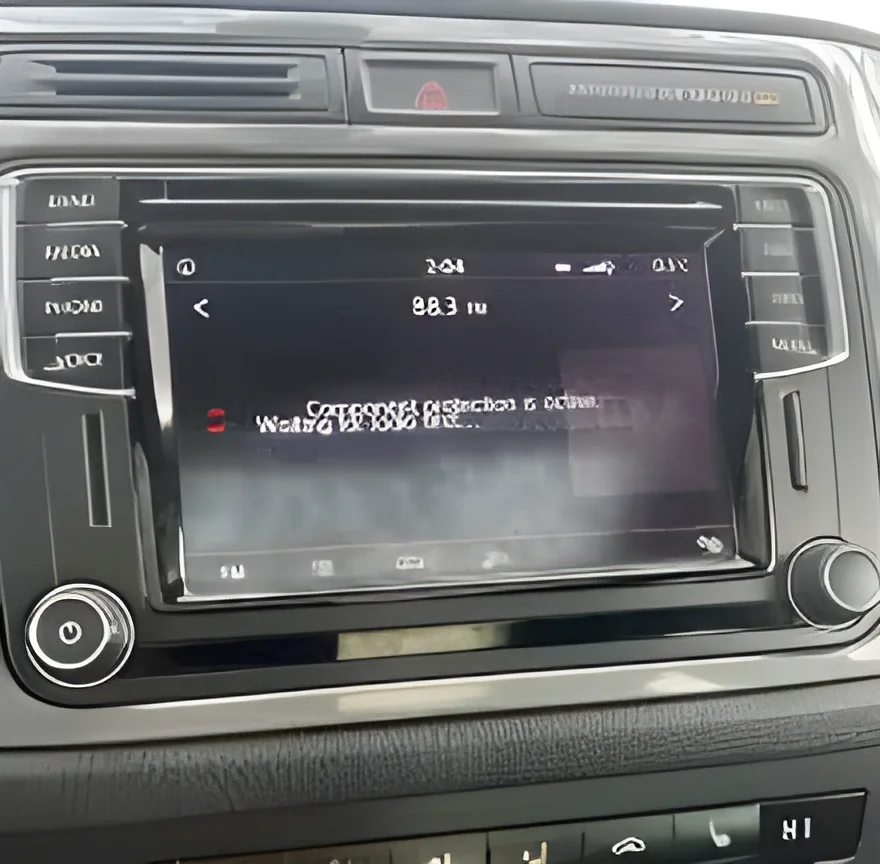
Volkswagen and Audi owners are now facing a controversial $300 to $500 fee to enable used or aftermarket replacement parts to function in their vehicles. This charge, dubbed the ‘component protection’ fee by the manufacturers, is required to unlock the vehicle’s complex software system, which prevents non-OEM (Original Equipment Manufacturer) parts from operating correctly. The fee applies even when the replacement parts are original VW or Audi components, or when installed correctly by an independent mechanic.
How the Fee Works and Why It Matters
According to vehicle owners and independent repair shops, the ‘component protection’ fee is a requirement to access Volkswagen’s internal software system, known as the ‘Hive Mind server.’ This system is necessary to ‘unlock’ the vehicle’s software, which is embedded in its complex network of subroutines. Without this unlock, even original parts that are installed properly will not function correctly. The only entity with access to this system is the authorized VW or Audi dealer network.
This situation has raised concerns among consumers and industry experts. The fee effectively forces vehicle owners to rely on dealership services rather than independent repair shops, which could significantly increase repair costs. For example, a used body control module—responsible for managing power windows and other functions—may cost around $100 to $200 when purchased used or aftermarket. However, owners may be required to pay an additional $300 to $500 to unlock the part, making it more economical to purchase a new OEM part from the dealership instead.
Vehicle owners have described the situation as akin to paying property tax to access a home they own. The analogy highlights the perception that the fee is a form of control over the vehicle after purchase. ‘You paid for the car, but you can’t fully use it unless you pay the manufacturer to unlock it,’ said one owner who declined to be named. ‘It’s like buying a house and then being told you need to pay the government to live in it.’
Impact on Consumers and the Automotive Industry
The ‘component protection’ fee has significant implications for both vehicle owners and the broader automotive industry. According to a 2024 report by the International Automotive Repair Association (IARA), the average cost of a used or aftermarket part is 40 to 60 percent less than a new OEM part. However, the addition of the unlock fee often negates these savings, making independent repair services less viable for many consumers.
For instance, a used body control module might cost $150, but the unlock fee could push the total cost to $450, which is nearly triple the price of a new OEM part. This dynamic not only discourages the use of used or aftermarket parts but also reduces the economic incentive for independent repair shops to invest in such components. ‘This creates a monopoly on repair services,’ said John Mayer, a mechanic and IARA member. ‘It’s not just about the cost—it’s about control over the entire repair process.’
The situation is also reminiscent of practices seen in the insurance industry, where consumers are effectively forced to purchase certain products due to regulatory or contractual requirements. In this case, however, the ‘component protection’ fee is not tied to any government regulation but is instead a business model employed by Volkswagen and Audi to ensure continued reliance on their dealership networks.
Industry experts warn that this trend could set a dangerous precedent for the automotive industry. If more manufacturers follow suit, consumers may face increasingly limited options for vehicle repair and maintenance. ‘This is a slippery slope,’ said automotive analyst Sarah Lin. ‘If more automakers start charging unlock fees, it could lead to a monopoly on vehicle repairs and a significant increase in repair costs for consumers.’
What Analysts Say and What’s Next
Automotive analysts and consumer advocates have criticized the ‘component protection’ fee as a form of anti-competitive behavior that undermines the right of vehicle owners to choose their repair services. Some have called for regulatory intervention to ensure that vehicle owners are not forced to use dealership services for essential repairs.
The U.S. Department of Transportation and the National Highway Traffic Safety Administration (NHTSA) have not yet commented on the fee, but industry watchdog groups are pushing for greater transparency and consumer rights in vehicle repair. The IARA has already filed a complaint with the Federal Trade Commission (FTC), alleging that Volkswagen and Audi are engaging in deceptive practices by requiring unlock fees for parts that are otherwise functional and legal to install.
The situation could also have implications for the used car market. If potential buyers are aware that they may face additional costs for repairs, they may be less inclined to purchase used vehicles. This could affect the resale value of Volkswagen and Audi models, particularly those with complex software systems.
For now, vehicle owners are left with limited options. They can either pay the unlock fee, pay for a new OEM part, or avoid purchasing used or aftermarket components altogether. This creates a financial burden for many consumers, particularly those who rely on independent repair services to keep their vehicles running.
As the debate over the ‘component protection’ fee continues, it is clear that the issue goes beyond repair costs. It raises broader questions about consumer rights, competition in the automotive industry, and the role of technology in vehicle ownership. Whether Volkswagen and Audi will face regulatory action or industry pushback remains to be seen, but one thing is certain: the ‘component protection’ fee is a significant barrier for vehicle owners seeking affordable and independent repair options.






Comments
No comments yet
Be the first to share your thoughts