

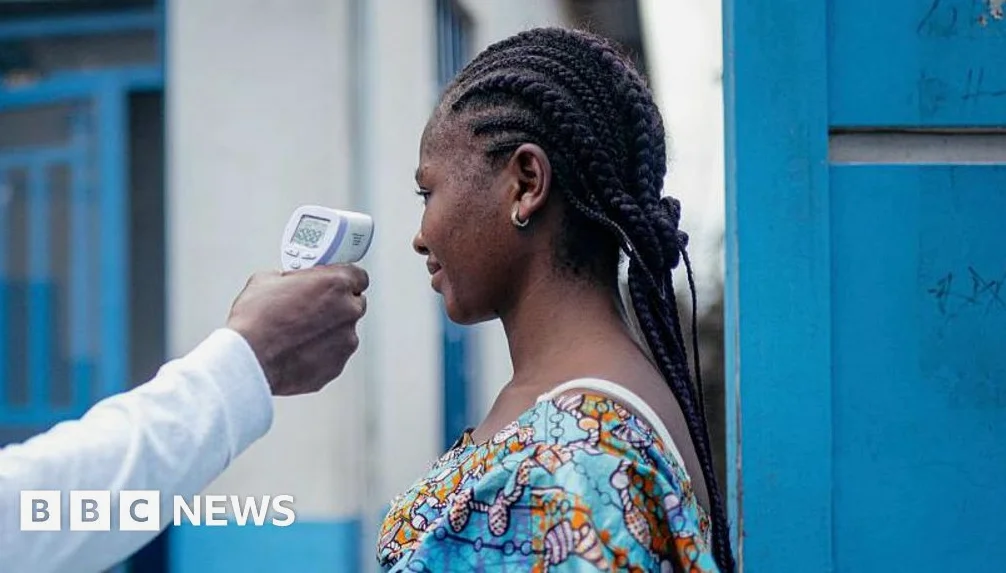
The Ebola virus disease (EVD) is a severe, often fatal illness in humans caused by the Ebola virus — Symptoms typically appear between two and 21 days after exposure and include sudden onset of fever, headache, and fatigue. As the disease progresses. Vomiting, diarrhea, and potentially organ failure can occur, though some patients may also develop internal and external bleeding, according to the BBC.
Why This Outbreak Is Different
This outbreak, currently in the DRC, is caused by the Bundibugyo species of the Ebola virus, a strain not seen for over a decade. Unlike the more commonly known Zaire species, Bundibugyo has only been responsible for two previous outbreaks, each killing about a third of those infected. The virus’s rarity has led to complications in detection, as initial blood tests were negative because they target more common species. There is currently no approved vaccine for Bundibugyo, though experimental ones are in development. A vaccine for the Zaire species may offer some cross-protection, according to the BBC.
Challenges in Containing the Virus
The outbreak is occurring in a conflict zone, with over a quarter of a million people displaced and frequent movement across porous borders into neighboring countries. These factors complicate the ability to track and isolate cases. In addition, the first known case,a nurse who developed symptoms on 24 April—suggests the virus had already been spreading undetected for weeks, making it difficult to determine the true scale of the outbreak.
While the World Health Organization has declared the situation a public health emergency of international concern, the risk of the virus spreading beyond east Africa remains minimal, according to the BBC. Health authorities emphasize the importance of hygiene and prompt medical attention for severe symptoms, as seen in other public health responses, such as the Andalusian regional government’s efforts to prevent the spread of a stomach bug through measures like frequent handwashing and surface disinfection, according to Sur in English.
Broader Implications and Public Health Lessons
While unrelated to the DRC’s Ebola outbreak, the recent approval of a twice-yearly HIV prevention shot by the U.S. Food and Drug Administration (FDA) highlights broader public health advancements. The drug, called lenacapavir and sold as Yeztugo, is the first medicine to prevent HIV that only needs to be taken twice a year. In clinical trials, it was 100% effective in protecting cisgender women and 96% effective in men who have sex with men and gender-diverse people, according to Time Magazine. This development could transform the HIV epidemic, though advocacy groups have raised concerns about the potential impact of recent cuts to global HIV funding, according to Time Magazine.






Comments
No comments yet
Be the first to share your thoughts