

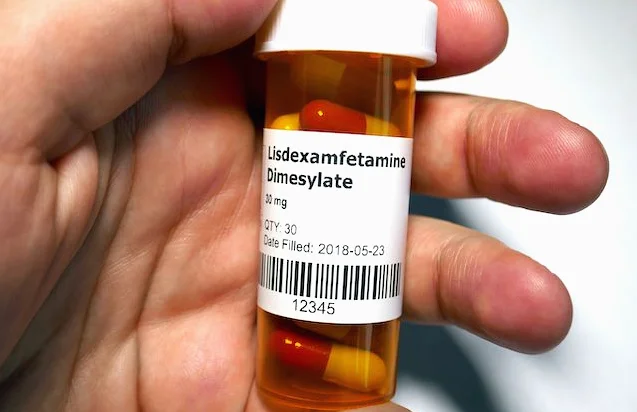
Vyvanse, the brand name for lisdexamfetamine, is an FDA-approved medication used to treat attention deficit hyperactivity disorder (ADHD) in individuals aged 6 and older and moderate to severe binge eating disorder (BED) in adults. The drug, a central nervous system stimulant, is taken once daily in the morning to avoid sleep disturbances and is available in capsule and chewable tablet forms with varying strengths. However, its use requires strict adherence to prescribed dosing to minimize risks such as cardiovascular complications and dependency.
ADHD Prevalence and Treatment Challenges
In the United States, more than 6 million children aged 6 to 17 have been diagnosed with ADHD, according to recent data. The condition, characterized by symptoms like difficulty focusing, impulsive behavior, hyperactivity, and forgetfulness, can significantly impact academic performance, social interactions, and daily functioning. While behavioral therapy is a common treatment, medication like Vyvanse is often prescribed to manage symptoms effectively.
ADHD is associated with various risk factors, including genetic predispositions, brain injuries, premature birth, and environmental exposures. Recent studies indicate that 20% of children with ADHD may also develop eating disorders, such as anorexia, bulimia, and binge eating disorder (BED), highlighting the need for thorough monitoring and care.
Vyvanse: Mechanism and Dosage Considerations
Vyvanse contains lisdexamfetamine, a prodrug that is metabolized into dextroamphetamine in the body. While its exact mechanism of action is not fully understood, it is believed to affect levels of dopamine and norepinephrine in the brain, which are neurotransmitters associated with attention and impulse control.
The medication is dosed based on individual needs, with the initial dose typically starting at a low level and gradually increasing weekly. The standard dose range for ADHD is 30 to 70 milligrams per day for both adults and children, with adjustments made based on symptom severity and response to treatment. Patients must take the medication in the morning, as taking it later in the day can disrupt sleep patterns.
Vyvanse is available in different strengths, including 10 mg, 20 mg, 30 mg, 40 mg, 50 mg, 60 mg, and 70 mg capsules, as well as chewable tablets. Capsules can be taken whole or mixed with liquid, while chewable tablets must be thoroughly chewed before swallowing. Patients are advised not to take Vyvanse in the afternoon or evening to avoid sleep disturbances.
Risks and Considerations for Patients
While Vyvanse is effective, its use comes with potential risks. The drug is a Schedule II controlled substance due to its potential for abuse and dependence. Patients should take the medication only as prescribed, as excessive use or prolonged use can increase the risk of cardiovascular issues, such as increased heart rate and blood pressure.
Healthcare providers carefully monitor patients to ensure the dose is appropriate. If the dose is too low, symptoms may not improve, leading to continued difficulties with attention and impulse control. Conversely, a dose that is too high may increase the risk of dependency or side effects such as anxiety, insomnia, and mood swings.
Vyvanse is not approved for weight loss, despite its stimulant properties. The FDA has not established its safety or effectiveness for treating obesity, and using it for this purpose can lead to serious health complications. Patients must follow their healthcare provider’s instructions closely to avoid misuse.
Generic versions of lisdexamfetamine are available, and they are FDA-approved to provide the same therapeutic benefits and risks as the brand-name drug. However, patients should consult their healthcare provider before switching to a generic version to ensure it is appropriate for their condition.
As the use of Vyvanse continues to rise, healthcare professionals emphasize the importance of proper dosing and monitoring to ensure patient safety and optimal treatment outcomes. Future research may further clarify the long-term effects of the drug and its role in managing ADHD and BED effectively.






Comments
No comments yet
Be the first to share your thoughts