

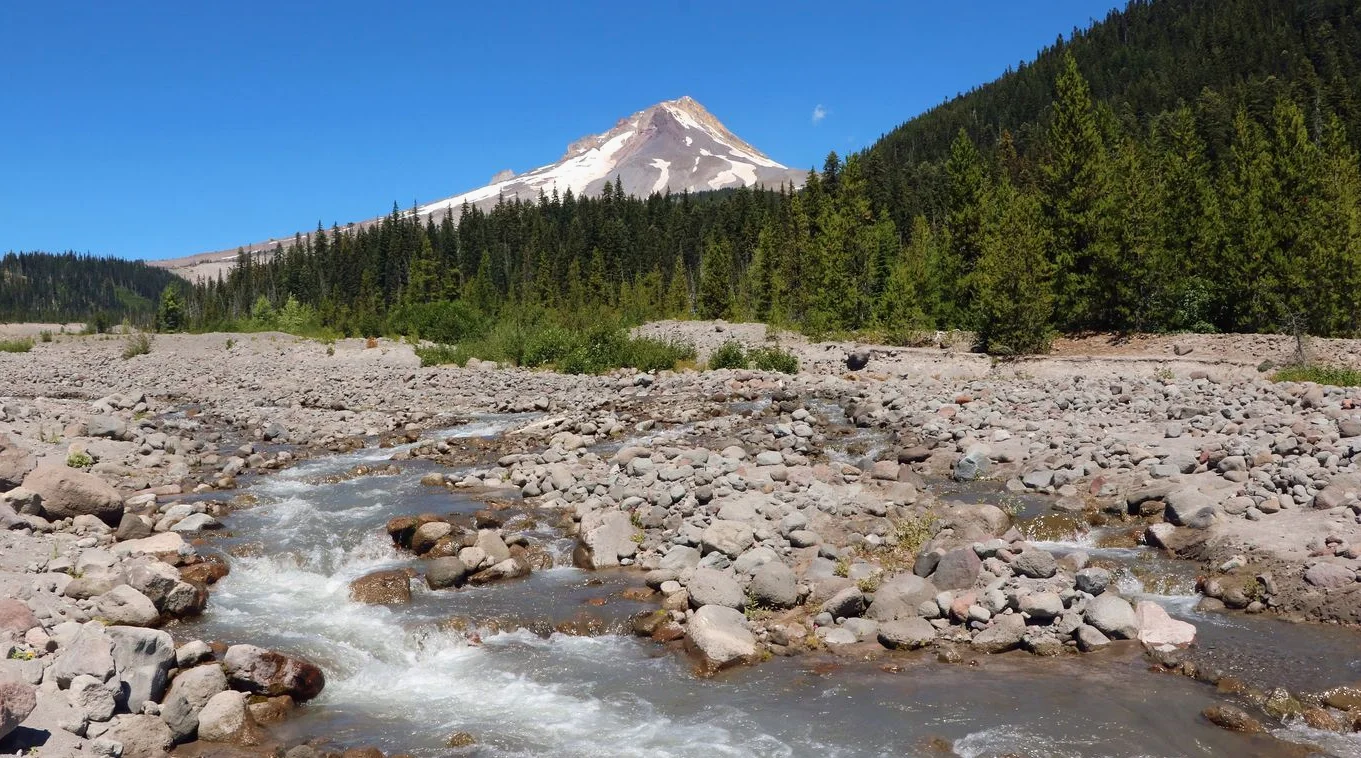
Oregon’s snowpack is at its lowest level in decades, with the state experiencing a record-warm winter that has left water resources in jeopardy for the coming summer. According to recent data, the snowpack is currently at about 30% of the normal level, nearly matching the record low set in 2015. This situation has raised concerns among officials, scientists, and residents across the state about the potential for severe water shortages in the coming months.
Impact on Water Resources
The snowpack in Oregon acts as a natural reservoir, slowly releasing water throughout the spring and summer months. This water is crucial for maintaining stream levels, which are vital for fish populations, particularly salmon, that depend on adequate flow for migration and spawning. Farmers also rely on this meltwater for irrigation, especially in the agricultural regions of the Willamette Valley and the Columbia Basin.
Hydroelectric power generation, which is a major source of electricity in the Pacific Northwest, is also at risk. The lack of sufficient snowpack could lead to reduced water flow through hydroelectric dams, potentially impacting energy production and increasing reliance on fossil fuel-based power sources. ‘The snowpack is extremely important for our water supply in the spring and summer,’ said Larry O’Neill, Oregon State climatologist. ‘Without it, we usually end up with severe drought.’
The current snowpack levels are not only a concern for Oregon but are part of a broader trend across the western United States. Many states in the region are experiencing warmer and drier conditions than usual, exacerbating the risks of water scarcity and ecological stress. ‘We’re kind of the epicenter of the snow drought,’ O’Neill said, noting that, as of Monday, only Arizona and New Mexico had lower percentages of their median snowpack.
Historical Context and Weather Patterns
The winter of 2026 began with the expectation of colder and wetter conditions due to a weak La Niña pattern. However, this expectation was not met. While there were instances of heavy precipitation in November and December, these events occurred under record warmth, which prevented significant snow accumulation at higher elevations.
January continued the trend of warm temperatures, with Portland receiving only about half of its average rainfall. February brought more precipitation but also temperatures that were nearly 5 degrees Fahrenheit above the historical average. The combined effect of these conditions has resulted in a four-month period from November through February that tied 1934 for the warmest on record in Oregon.
This deviation from historical norms has left many scientists and officials concerned about the long-term implications of such weather patterns. ‘It’s difficult to directly link one winter season to climate change,’ O’Neill said. ‘But experts have long predicted that a warmer climate, caused primarily by humans burning fossil fuels, would result in winters like this one.’
The lack of snowpack is not just a seasonal anomaly but a symptom of a larger trend of climate change affecting the region. This trend has been observed in other parts of the western United States, where similar conditions have led to increased water stress and ecological challenges. ‘We are seeing a shift in the patterns of precipitation and temperature that is affecting the entire region,’ said a hydrologist at the Oregon Water Resources Department.
What’s Next and the Road Ahead
Forecasters predict that the warm weather will continue for the next several days, with temperatures in Portland expected to reach the mid-60s and Mount Hood seeing mid-50s. These conditions will likely continue to prevent snow accumulation and may exacerbate the already low snowpack levels. ‘The forecast for the next few weeks is not promising for snowpack recovery,’ said O’Neill.
Water managers and officials are already preparing for the potential of water shortages. Some reservoirs have been managed more conservatively to ensure that there is enough water to meet the needs of agriculture, urban areas, and ecosystems. ‘We are taking a proactive approach to manage water resources in the face of uncertainty,’ said a spokesperson for the Oregon Department of Water Resources.
The situation also raises questions about the resilience of Oregon’s infrastructure and water management systems in the face of a changing climate. As the state faces increasing frequency of such extreme weather events, there is a growing need for adaptive strategies to ensure the sustainability of water resources. ‘This is a wake-up call for us to invest in more resilient water systems,’ said a local environmental advocate.
The coming months will be critical in determining how the state and its residents respond to the challenges posed by the low snowpack. With the potential for severe drought and water shortages looming, the focus will be on managing resources effectively while also addressing the long-term impacts of climate change on the region.






Comments
No comments yet
Be the first to share your thoughts