

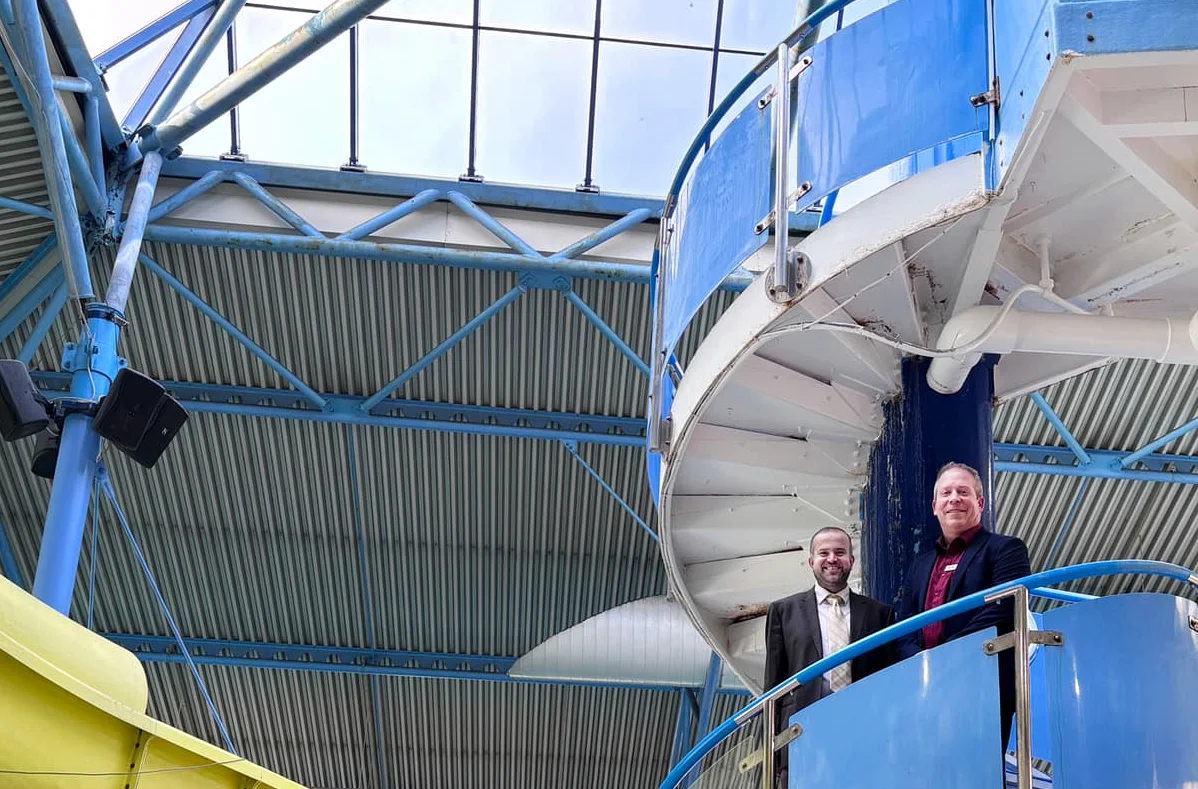
West Lancashire Council elections, which were reinstated by the government last week after being delayed, are set to become a battleground over issues such as swimming pools, housing developments, and the impact of Reform UK’s growing influence in local politics. The elections, originally scheduled to take place in May, had been postponed to allow for a broader council reorganisation planned for 2028.
Swimming Pools and Council Reorganisation
The debate over swimming pools is likely to be a key issue in the election campaign, following last year’s controversy when Labour councillors proposed closing pools in Ormskirk and Skelmersdale, citing financial concerns. Adrian Owens, chairman of the Our West Lancashire (OWL) group, criticized the plan as a ‘vanity project’ that would burden local taxpayers with more than £10 million in borrowing.
Owens argued that the proposed move of the council headquarters from Ormskirk to Skelmersdale would not be completed before the council is restructured in 2028. He added that the capital funds could be better spent on improving existing facilities, many of which are aging and in need of repair.
OWL, which previously won the Aughton and Holborn by-elections against Reform UK, is hopeful of making gains in the upcoming elections. Linda Webster, an OWL candidate up for re-election, emphasized the importance of local elections, stating that voters should consider their local party choices independently of national politics.
Immigration and Local Concerns
Conservative councillor David Whittington highlighted that immigration is not a major issue in West Lancashire, though there are discussions about accommodating a small number of Afghan asylum seekers in Skelmersdale. He noted that the national immigration debate creates a political climate where people pay more attention to Reform UK’s stance.
Whittington also raised concerns about new housing developments and the pressure on farmland, citing plans for a 225-house estate in Parbold and potential developments in Ormskirk. He criticized the Labour-led council for delays in creating a new local plan, which he said has left the planning system in chaos.
Whittington emphasized that the Conservative Party will focus on candidates with strong local ties, knowledge, and experience. He also speculated that OWL might gain ground in Ormskirk, while Reform UK could make progress in Skelmersdale, where they won seats in the previous county council election.
Labour’s Response and Pendle’s Dynamics
Labour councillors were contacted for comment, but have not yet responded. However, they are expected to defend their record, highlighting new affordable housing projects and ongoing developments such as the Skelmersdale town centre master-plan and new industrial sites. They may also criticize opposition parties for obstructing new housing initiatives.
In Pendle, Lib-Dem council leader David Whipp praised the government’s decision to reinstate the local elections, calling the process ‘chaotic’ and likening it to a satirical political comedy. He warned that Labour has little to lose in Pendle, where all former Labour councillors have resigned, many over their stance on the Israel-Gaza conflict.
Whipp argued that the elections would expose the flaws in Reform UK’s policies, particularly their approach to care homes and infrastructure. He noted that the Liberal Democrats have successfully defeated Reform UK in recent by-elections and are now focusing on winning more seats from the Conservatives.
Ash Sutcliffe, Pendle’s Conservative opposition leader, emphasized the importance of the elections and criticized the Labour government for its ‘yo-yo politics’ that left the area in limbo. He called for voters to scrutinize all parties, including Reform UK, and stressed the need for experienced candidates as local government reorganisation approaches in 2028.
Mike Willcox, vice-chairman of Pendle and Clitheroe constituency Labour Party, stated that the local Labour Party has prepared strong candidates for the May elections. He noted that the current state of local government in areas controlled by Reform UK, such as Lancashire County Council, is a key motivation for the party’s campaign.
The upcoming elections in West Lancashire and Pendle are expected to reflect broader national tensions over local governance, housing, and the influence of new political movements. With the council reorganisation set for 2028, the results of the May elections could shape the political landscape for years to come.



Comments
No comments yet
Be the first to share your thoughts