

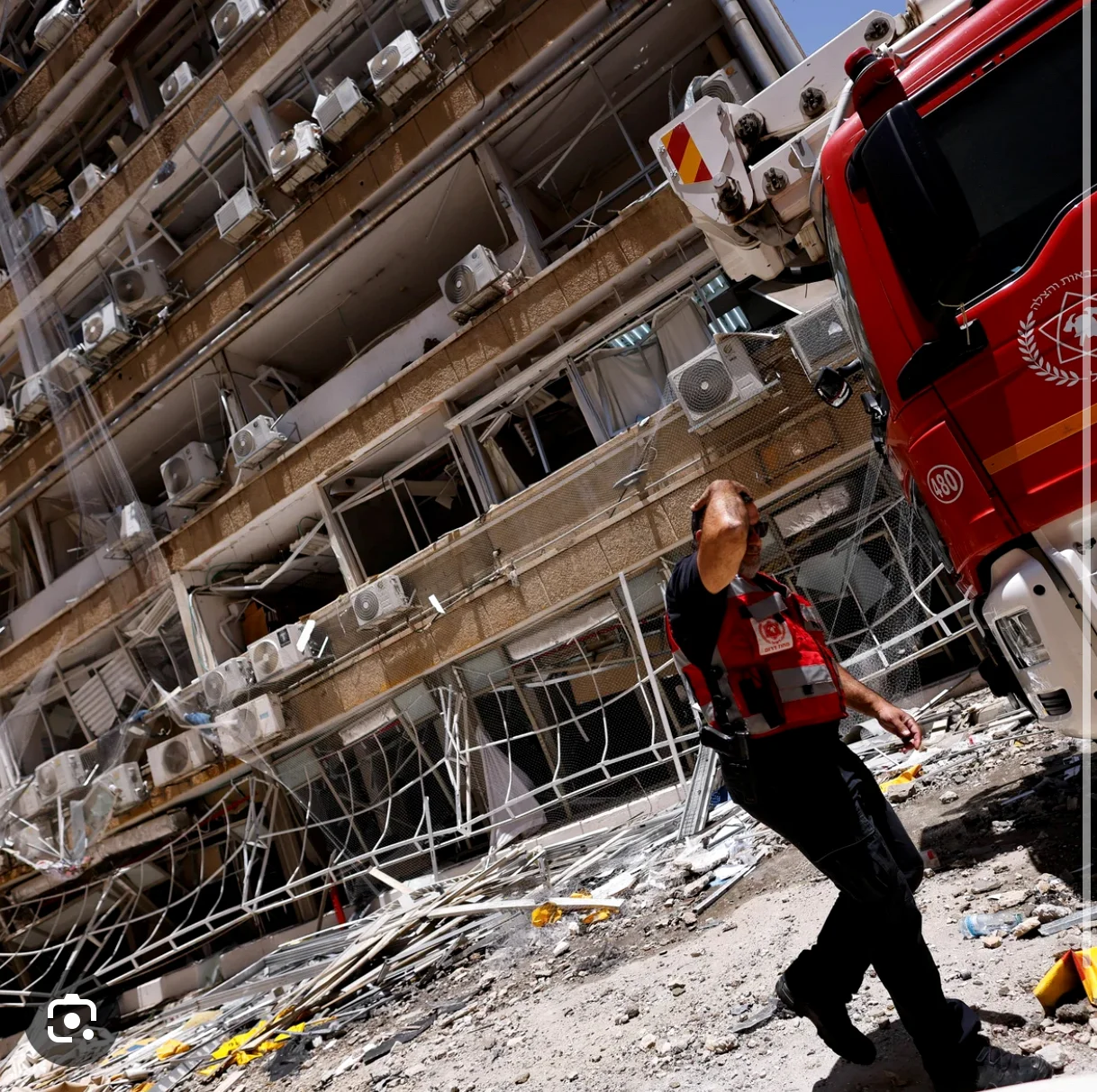
The World Health Organization (WHO) has issued a stark warning about the mounting danger to medical workers and critical healthcare services in the Middle East, as the conflict between Iran and Israel intensifies. WHO Director-General Tedros Ghebreyesus said the situation is placing immense strain on health systems and putting frontline responders in grave danger.
Healthcare Workers Under Fire
Ghebreyesus cited reports of paramedics being killed and injured in southern Lebanon while trying to assist victims of explosions in the Tyre district. He emphasized that such attacks violate international humanitarian law and must be condemned.
‘Hospitals, ambulances, patients and medical staff must be protected at all times,’ Ghebreyesus said in a statement. ‘The continued violence raises the risk of further losses among health workers, and we urge all parties to prioritize the safety of medical personnel.’
The WHO chief called on all sides to exercise restraint and focus on diplomatic solutions to prevent the humanitarian crisis from worsening. He stressed that uninterrupted access to healthcare is vital during times of conflict and that the protection of medical services is essential to saving lives.
Human Toll Rising in Iran
According to recent reports, at least 787 people have been killed in Iran since the start of the joint strikes, with attacks affecting more than 150 cities across the country. The conflict has left a growing number of civilians displaced and hospitals overwhelmed with the influx of injured.
Local officials have warned that the death toll could continue to rise if the violence persists. The humanitarian situation is deteriorating rapidly, with limited resources and a lack of access to medical care in some areas.
‘The situation is extremely dire,’ said a senior Iranian health official, who spoke on condition of anonymity. ‘We are struggling to provide even basic medical care to those in need, and the number of casualties is increasing by the day.’
Regional Concerns and Calls for De-Escalation
Regional leaders have expressed growing concern over the trajectory of the conflict and the potential for a broader regional war. The United Nations and other international bodies have called for an immediate ceasefire and renewed diplomatic efforts to de-escalate tensions.
Ghebreyesus reiterated the WHO’s stance that the protection of health workers and medical facilities is non-negotiable. ‘Healthcare workers are not targets,’ he said. ‘They are essential to saving lives and must be given the protection they deserve.’
Experts warn that the ongoing attacks on healthcare infrastructure could have long-term consequences for the region. A recent report by the International Rescue Committee estimated that more than 10,000 people have been displaced in Lebanon alone, with many seeking refuge in neighboring countries.
The WHO has called for an immediate halt to attacks on medical facilities and urged all parties to adhere to international humanitarian law. It also plans to deploy additional medical teams to affected areas to support overwhelmed local health systems.
As the conflict enters its fifth day, the global community is watching closely, with fears that the situation could spiral into a larger regional war if diplomatic efforts fail to yield results.






Comments
No comments yet
Be the first to share your thoughts