

 BBC
BBC 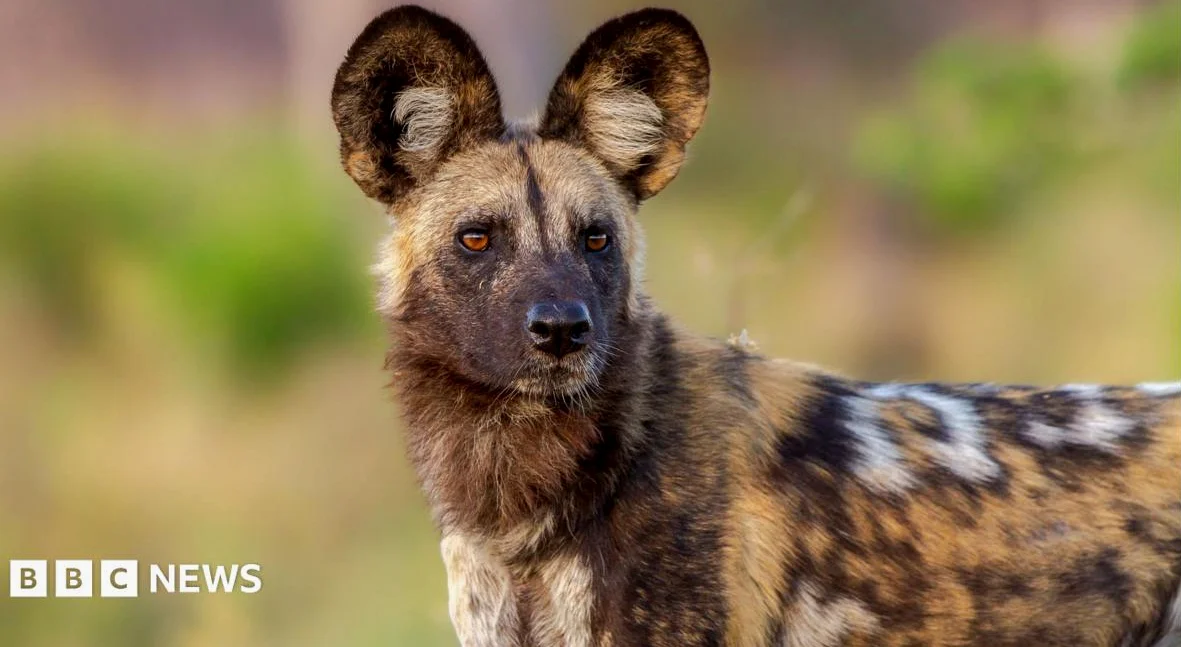
Record-Breaking Journey for Mating
A pack of African wild dogs has completed a record-breaking 2,485-mile (4000km) journey across Zambia, according to a BBC report — this trek marks the furthest recorded distance for any African land mammal searching for a mate. The three brothers dealt with a scene increasingly shaped by human activity and avoided obstacles including major cities.
The journey, which took place over eight months, saw the brothers cover about 260 miles in a straight line, but they traveled nearly 10 times that overall while crossing through a fragmented scene. These sorts of journeys are known as dispersals,traveling one way in search of a mate, which is distinct from migrations where animals move back and forth with the seasons.
Challenges and Dangers Along the Way
Despite the successful completion of the journey, the study highlights the dangers wild dogs face, though other wild dogs tracked with GPS collars in the study died in illegal snares. Three sisters almost completed an equally epic journey, but one became trapped in a snare and the group stopped.
African wild dogs are among Africa’s rarest predators, with only about 6,000 remaining in the wild. They live in highly social packs, hunt together, and are known for their vast roaming in search of new territory and breeding opportunities with other packs. They cannot breed within the pack they are born into, so they either wait and may eventually inherit their pack or set off at the age of two or three in search of a mate.
Significance of the Journey
The UN Convention on Migratory Species identifies Africa’s longest migrations as wildebeest moving seasonally between Tanzania and Kenya in search of grazing and water, covering more than 400 miles. This wild dogs’ journey, however, is a dispersal rather than a seasonal migration and offers hope that wildlife can travel across vast distances despite growing human pressures.
The record-breaking trek reveals the resilience of these animals and the importance of preserving corridors for wildlife movement; it also highlights the need for continued conservation efforts to reduce human-wildlife conflict and mitigate threats such as illegal snares.






Comments
No comments yet
Be the first to share your thoughts