

 Daily Mail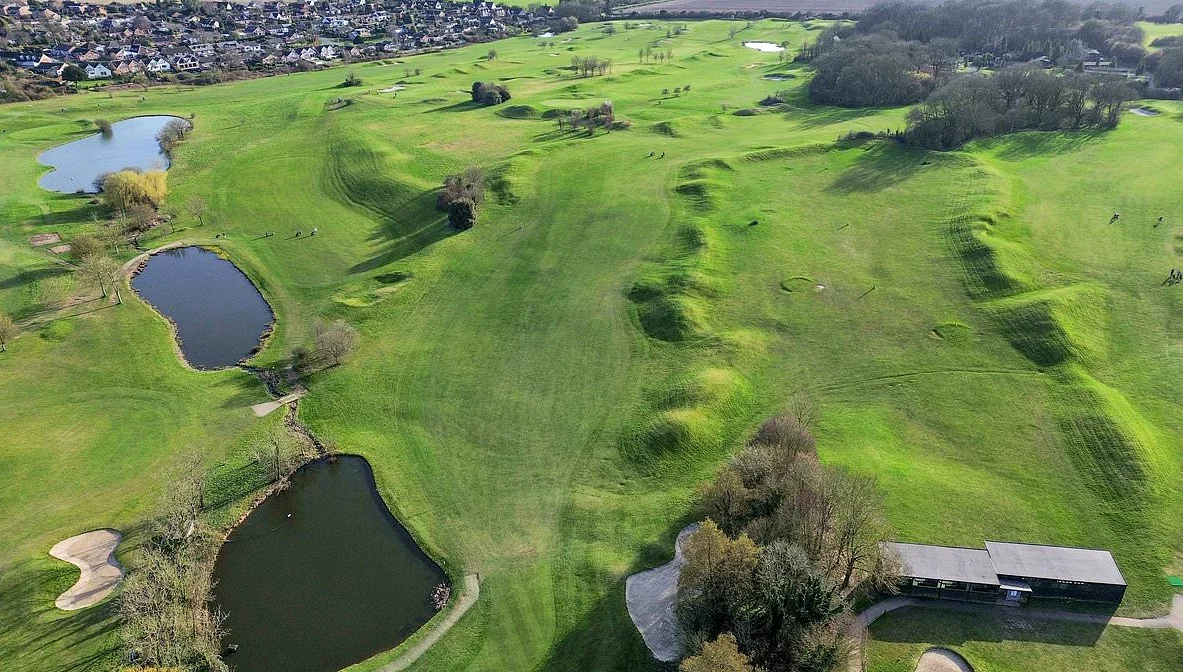
A major UK housebuilder, Bloor Homes, has ignited controversy in Winchester with plans to replace the South Winchester Golf Club with a sprawling housing estate. The 170-acre site, known for its scenic views and greenery, could be transformed into a development featuring 1,200 ‘low-carbon’ homes, with 40 percent designated as affordable housing. The project, however, has drawn sharp criticism from locals who argue it threatens the area’s natural beauty and infrastructure.
Residents Oppose Loss of Natural Views
Residents of the cathedral city have expressed deep concern over the potential loss of the golf course’s iconic views across the rolling hills. John Pearson, a long-time member of the club, said the development would not only diminish the area’s natural charm but also force many golfers to travel further to find a place to play.
“If we are forced to go further afield, it will make many of us leave the sport,” Pearson said, adding that nearby golf clubs are already at full capacity with long waiting lists for new members. “I’m 83, so I just won’t be able to play.”
Infrastructure and Environmental Concerns
Residents have also raised concerns about the impact on local infrastructure, including traffic congestion and strain on schools and the NHS. Hampshire County Councillor Jan Warwick, who represents the area, said a government algorithm indicates that Winchester needs 62 percent more housing to meet demand, and she believes the development is likely to proceed.
“The council did a study a few years ago and it showed that 70-80 percent of the traffic into Winchester comes in through the south road, which will be disrupted by the construction,” Warwick said. She also warned of increased pressure on local schools and healthcare services.
“That’s everything coming into work from surrounding towns, but it’s also the schools and sixth form. It’ll just add to the time it takes to get to the schools,” she added.
Developer’s Argument for Affordable Housing
Bloor Homes, the UK’s largest privately owned housebuilder with an annual turnover of £1.3 billion, acquired the land in 2021. The company argues that the development is necessary to address the housing crisis in Winchester, where homes average £800,000 in price.
A Bloor Homes spokesperson said the company is committed to delivering “much-needed new homes and community facilities” in one of the country’s least affordable housing markets. “Our public webinars and local engagement have given us invaluable feedback and insight into the city’s needs,” the spokesperson said, adding that the proposed development would include a school, sports facilities, and limited green space.
The golf course, designed by the late BBC golf commentator Peter Alliss and Ryder Cup Captain Dave Thomas, was built to take advantage of the natural contours of the land. Residents fear that the development will not only destroy the course’s natural beauty but also its wildlife habitats.
“The golf course is 100 percent green space and I see animals there all the time,” Pearson said. “It will mean the loss of a lot of green space, lovely views, and the natural habitats will be destroyed.”
Mel Drew, another local resident, echoed these concerns. “Sooner or later we’re going to run out of spaces to cram these houses into, so why not stop now while we still have some quality of life left?”
Despite the opposition, the development is expected to move forward, with the site available for five more years after a private consultation period. The project is seen as a key part of Winchester’s strategy to meet housing demand, though critics argue that brownfield sites should be prioritized over greenfield areas like the golf course.
The controversy highlights the growing tension between housing needs and environmental preservation in one of England’s most historic and scenic cities.






Comments
No comments yet
Be the first to share your thoughts