

 BBC
BBC 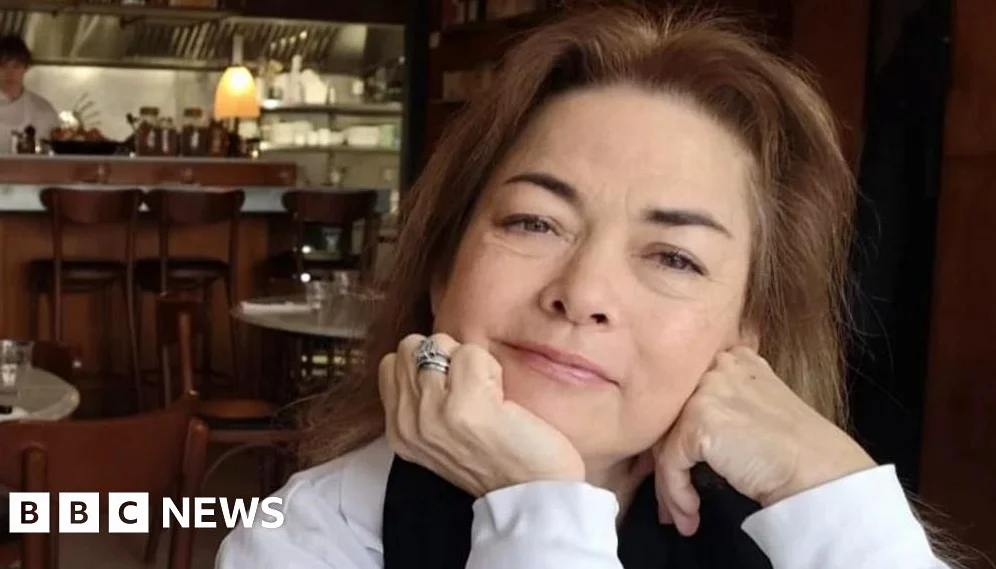
Caroline King, a 63-year-old woman from Wiltshire, experienced a dramatic transformation after being diagnosed with a rare liver condition that caused her to shrink nearly a foot in height. Her story, shared to mark Rare Disease Day, highlights the challenges faced by those living with rare medical conditions and the importance of early diagnosis and treatment.
The Journey to Diagnosis
King’s health journey began in 2018 when she noticed her eyesight becoming “scratchy” and out of focus. At the time, she attributed the change to aging, but an optician diagnosed her with an inflammatory condition affecting part of her eye. However, the symptoms worsened in 2019 when her eyes and skin turned yellow, prompting a liver biopsy that revealed a rare condition called granulomatous hepatitis.
Granulomatous hepatitis is so rare that doctors estimate they may only encounter one case every 10 years, according to King’s medical records. The condition is characterized by the formation of granulomas—small areas of inflammation—in the liver, which can lead to severe liver damage if left untreated.
The Physical and Emotional Toll
Following her diagnosis, King faced a grueling six-month wait for a liver transplant. During this time, her body suffered severe side effects from the medication, including osteoporosis, which caused her height to drop from 5ft 4ins (1.63m) to 4ft 6ins (1.37m). She also experienced extreme fatigue and mental confusion, which forced her to use a wheelchair.
Despite the physical and emotional challenges, King remained determined. Six years after her diagnosis, her eyes and liver function are now under control, and her height has returned to 5ft (1.52m). She credits her resilience and the support of medical professionals for her recovery.
Raising Awareness for Rare Diseases
King is using her story to raise awareness about rare liver conditions, which often go undiagnosed or misdiagnosed due to a lack of awareness and limited research. According to the British Liver Trust, thousands of people in the UK are living with rare liver diseases, many of which take years to diagnose.
Pamela Healy, chief executive of the British Liver Trust, emphasized the importance of early diagnosis and access to specialist care. “Too often, a lack of awareness leads to delayed diagnosis and unequal access to specialist care,” she said. “We need greater understanding, earlier diagnosis, and sustained investment in research to ensure no one living with a rare liver condition is left behind.”
Rare Disease Day, observed annually on the last day of February, aims to raise awareness for the 300 million people worldwide living with rare conditions. King’s story is a powerful reminder of the impact these conditions can have on individuals and the importance of perseverance in seeking treatment.
King’s message to others is clear: “Never give up.” She said, “The human body is amazing,” and her experience has reinforced her belief in the power of resilience and hope.
The British Liver Trust continues to advocate for better awareness and research into rare liver conditions, calling for increased funding and support for patients and their families. As more people like King share their stories, the hope is that the public and medical community will become more informed and proactive in addressing these rare but life-changing diseases.






Comments
No comments yet
Be the first to share your thoughts