

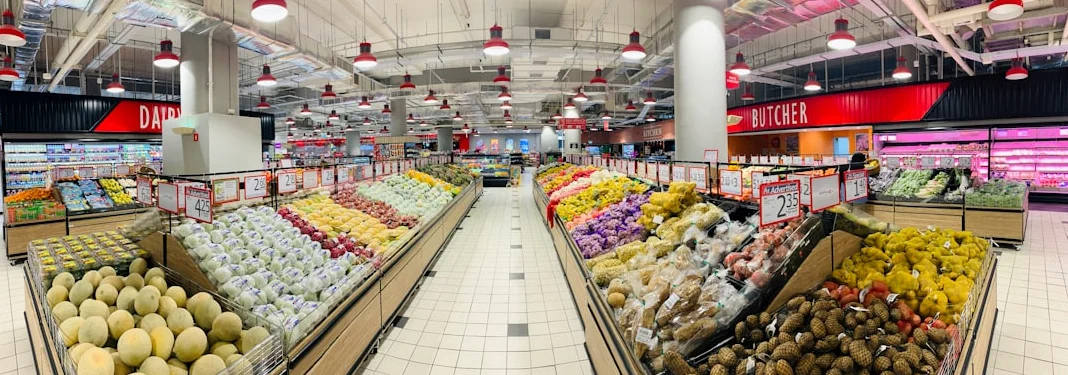
Woolworths Group has achieved a significant environmental milestone, becoming the first major supermarket chain in Australia and New Zealand to operate entirely on renewable electricity across its entire network. This includes all supermarkets, distribution centers, BIG W stores, and support offices. The transition to 100% renewable power was completed by the end of 2025, surpassing the company’s original target of 2020 and well ahead of the global RE100 renewable electricity goal set for 2030.
Renewable Energy Infrastructure and Strategic Partnerships
The supermarket giant sources more than two-thirds of its electricity requirements through strategic partnerships and contracts in both Australia and New Zealand. These contracts use a mix of wind and solar power, alongside Woolworths’ own expansive network of more than 320 onsite solar power systems. Collectively, these systems generate enough electricity to power over 17,000 homes annually.
Woolworths has prioritized investment in new renewable electricity projects over existing infrastructure to increase the national grid’s capacity. This includes contracts that support renewable electricity investment through large-scale generation certificate arrangements that match the Group’s consumption. The company’s approach ensures a direct contribution to expanding renewable energy capacity in the country.
Environmental and Operational Benefits
The shift to 100% renewable energy is projected to reduce Woolworths’ operational emissions by over 74%, bringing the company closer to its goal of an 80% reduction by 2030. Simon Lowden, Woolworths Chief Officer of Group Public Affairs, Communication and Sustainability, stated: “Since December last year, every single supermarket, BIG W store, distribution centre, and other Woolworths Group facility across Australia and New Zealand has been running solely on renewable electricity.”
Lowden highlighted the company’s investment in large-scale solar installations at 14 of its distribution centers, which house some of the country’s largest rooftop solar systems. This has positioned Woolworths as one of the largest commercial solar operators in Australian retail. The onsite generation significantly reduces grid demand during peak hours, providing energy independence and easing pressure on the national electricity network.
“We have an opportunity to make a meaningful contribution to the country’s clean energy future,” Lowden added. “That’s why we have intentionally backed renewable projects rather than drawing on existing supply. Our energy decisions have real weight in shifting the grid toward renewable sources.”
The milestone was achieved through collaboration across the Woolworths Group, driven by Woolworths 360, the company’s initiative focused on designing, developing, and innovating sustainable business practices within Australia and New Zealand’s largest retailer.
Energy Efficiency and Future Goals
Energy efficiency remains a top priority for Woolworths Group. The company has implemented network-wide initiatives to reduce electricity consumption, including refrigeration upgrades, more efficient equipment, LED lighting, and store infrastructure retrofits. Additionally, Woolworths is improving the design and construction of new distribution centers to ensure they meet modern energy efficiency standards.
Complementing these efforts is real-time monitoring through the Group’s Energy Management Centre, which identifies consumption peaks, detects patterns, and provides targeted interventions when unexpected spikes in energy use are detected. This system helps the company maintain control over its energy use and further reduce its carbon footprint.
The company’s commitment to sustainability extends beyond energy use. Woolworths continues to explore ways to reduce emissions across its supply chain, including working with suppliers to improve sustainability practices and reduce reliance on fossil fuels. The company has also set a target to achieve net-zero emissions by 2050, aligning with global climate goals.
With this milestone, Woolworths is setting a new benchmark for corporate environmental responsibility in the retail sector. The company plans to continue expanding its renewable energy projects and investing in new technologies that support the transition to a low-carbon economy. As the largest supermarket chain in the region, Woolworths’ actions are likely to influence other businesses to adopt similar sustainability practices.






Comments
No comments yet
Be the first to share your thoughts