

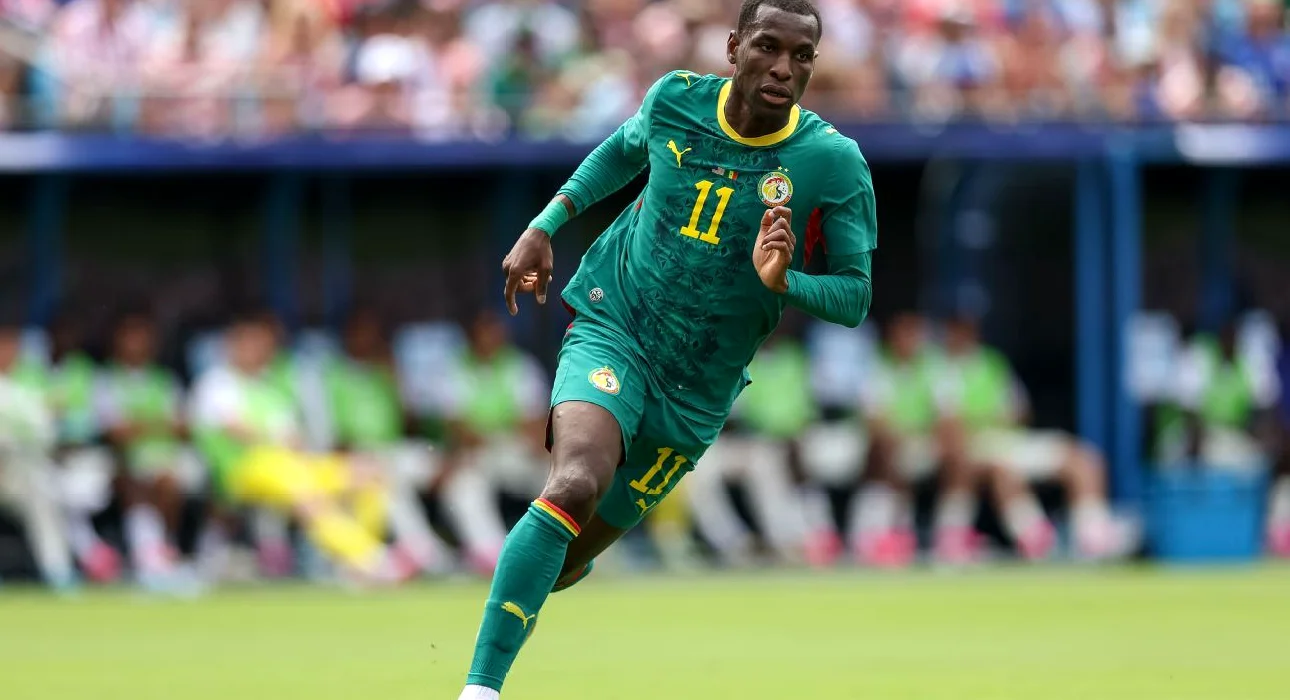
The 2026 FIFA World Cup has been marked by a series of notable developments as teams adjust their strategies and face unexpected challenges. Senegal is set to face France on June 16 in a rematch of their iconic 2002 clash, where Senegal upset the reigning champions, according to ESPN. Meanwhile, Tunisia has hired Herve Renard in an effort to recover from a 5-1 loss to Sweden in their opening match.
Geopolitical Tensions and Logistics
Iran’s World Cup experience has been complicated by ongoing tensions with the United States. After a 2-2 draw with New Zealand, the Iranian team was abruptly ordered to return to their training base in Tijuana, Mexico, immediately following the match, according to CNN. Coach Amir Ghalenoei criticized the decision, stating, “They didn’t even give us time to recover,” and expressed concern over the lack of recovery time for players. A Department of Homeland Security spokesperson confirmed the team agreed to the terms, but the situation highlights the unique difficulties faced by a team competing in a country with which it is at war.
Controversial Gestures and Allegations
During a match between Germany and Curacao, a VAR official named Evans drew attention for a controversial hand gesture. The gesture. Which initially appeared to be an “OK” sign, was scrutinized as potentially symbolizing white supremacist ideology when performed in reverse and below the waist. While the international human rights group Fair Network accused Evans of intentionally promoting a white supremacist symbol, FIFA’s disciplinary committee stated it found no evidence that Evans’ gesture was racially motivated. Evans himself denied any intent, claiming the gesture was unconscious, according to 중앙일보.
Health Concerns and Climate Impact
German physician Eckart von Hirschhausen has raised concerns about the extreme heat affecting player performance and fan safety during the World Cup in the United States, Mexico, and Canada. He criticized FIFA’s heat threshold guidelines, which allow play up to a heat index of 32 (equivalent to a perceived temperature of 45°C). According to von Hirschhausen. Medical professionals and player unions argue that matches should stop once the heat index reaches 28 (35°C), as studies show performance drops significantly after that point. He also noted that 14 of the 16 stadiums are at risk of heat-related health issues, according to NTV.
In an unrelated media decision. North Korea’s state broadcaster did not air the South Korea vs; Czech Republic match, despite highlighting other World Cup games. The South Korean Ministry of Unification noted that North Korea’s Korean Central Television broadcast highlights of matches in Groups B and C but excluded the Group A match involving South Korea, according to 경향신문.
As the World Cup continues, teams and officials are working through a complex mix of strategic decisions, health concerns, and international tensions; the tournament remains a global event not only of sports but also of political and cultural significance.



Comments
No comments yet
Be the first to share your thoughts