

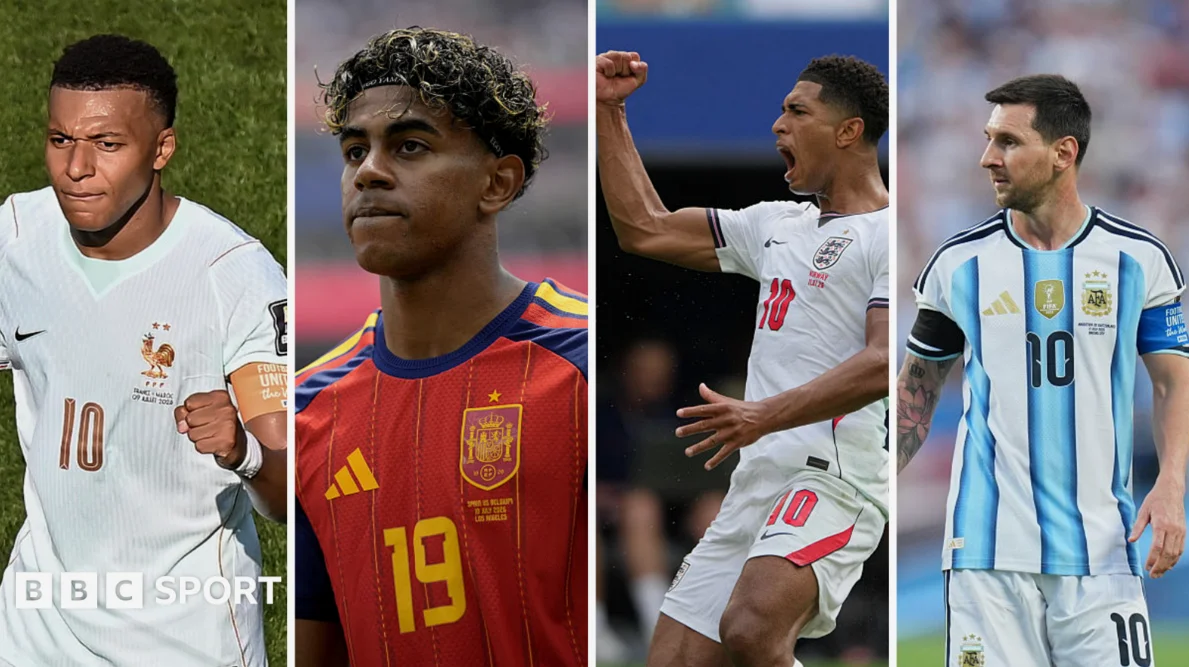
With the World Cup 2026 reaching its climax, the semi-final matchups have ignited global debate over which team will lift the trophy; France, Spain, Argentina, and England have all demonstrated the qualities necessary to triumph, but differing styles and challenges remain. Spain’s possession-based play. France’s attacking power, Argentina’s tactical efficiency, and England’s star-studded squad each offer unique advantages.
France’s Dominance and Spain’s Opportunity
France, led by Kylian Mbappe, has been the most consistent team in the tournament, winning all six matches in regulation time and scoring 16 goals—more than any other nation. They have yet to concede in the knockout stages, a testament to their defensive resilience; According to OneFootball, France is the favorite to reach the final for the third consecutive World Cup. However, their success will depend on whether they can control Spain’s high-pressing system and exploit gaps in their defense.
Spain, on the other hand, has shown flashes of brilliance but has struggled with finishing. Spanish journalist Guillem Balague told the BBC that Spain can win the World Cup if they take control of the ball early and limit France’s counterattacks, particularly those initiated by Mbappe. The performance of Lamine Yamal will be serious,if he plays at his best, Spain’s chances improve significantly.
Argentina’s Strategy and England’s Uncertainty
Argentina, the defending champions, are looking to become only the third team in history to retain the World Cup, as their approach is to slow the game down and wait for moments of individual brilliance from Lionel Messi or Julian Alvarez. However, this strategy has been described as “playing with fire” by Balague. Argentina’s success hinges on Messi’s form and their ability to avoid defensive errors, as they have come close to conceding in several matches.
England, meanwhile, remains an unpredictable force. Despite having two world-class players in Harry Kane and Jude Bellingham, the team has yet to fully find its identity. Balague noted that England’s personality and star power make them a credible contender, but consistency has been an issue. If they can match Argentina’s tactical discipline and capitalize on their attacking potential, they could reach the final for the first time since 1966.
Global Fan Reactions and Cultural Impact
Fans from each country have expressed their hopes and expectations. Spanish supporters in the United States believe their team can beat France and reach the final, provided Pedri performs at his best. Argentine fans remain cautiously optimistic about their team’s chances but acknowledge the pressure of defending a title. Meanwhile, English fans are hoping this could be the year that ends their 60-year World Cup drought.
Cultural events in places like Mallorca, Spain, have also reflected the global excitement. The semi-final between Spain and France will be screened at venues like Son Fusteret and Porto Pi, with free admission and additional entertainment. These gatherings show the unifying power of the World Cup, as fans from all backgrounds come together to witness history in the making.






Comments
No comments yet
Be the first to share your thoughts