

 WH News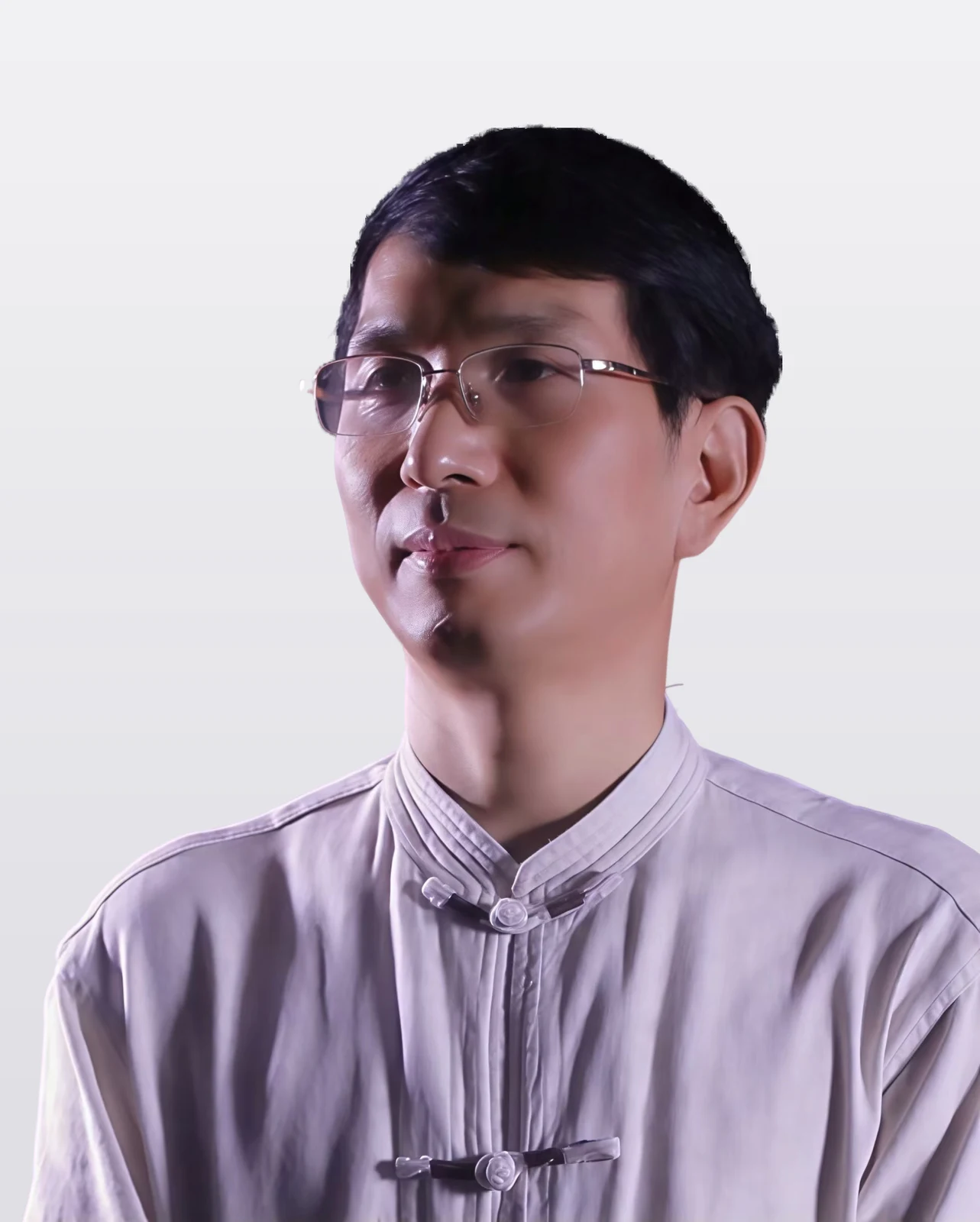
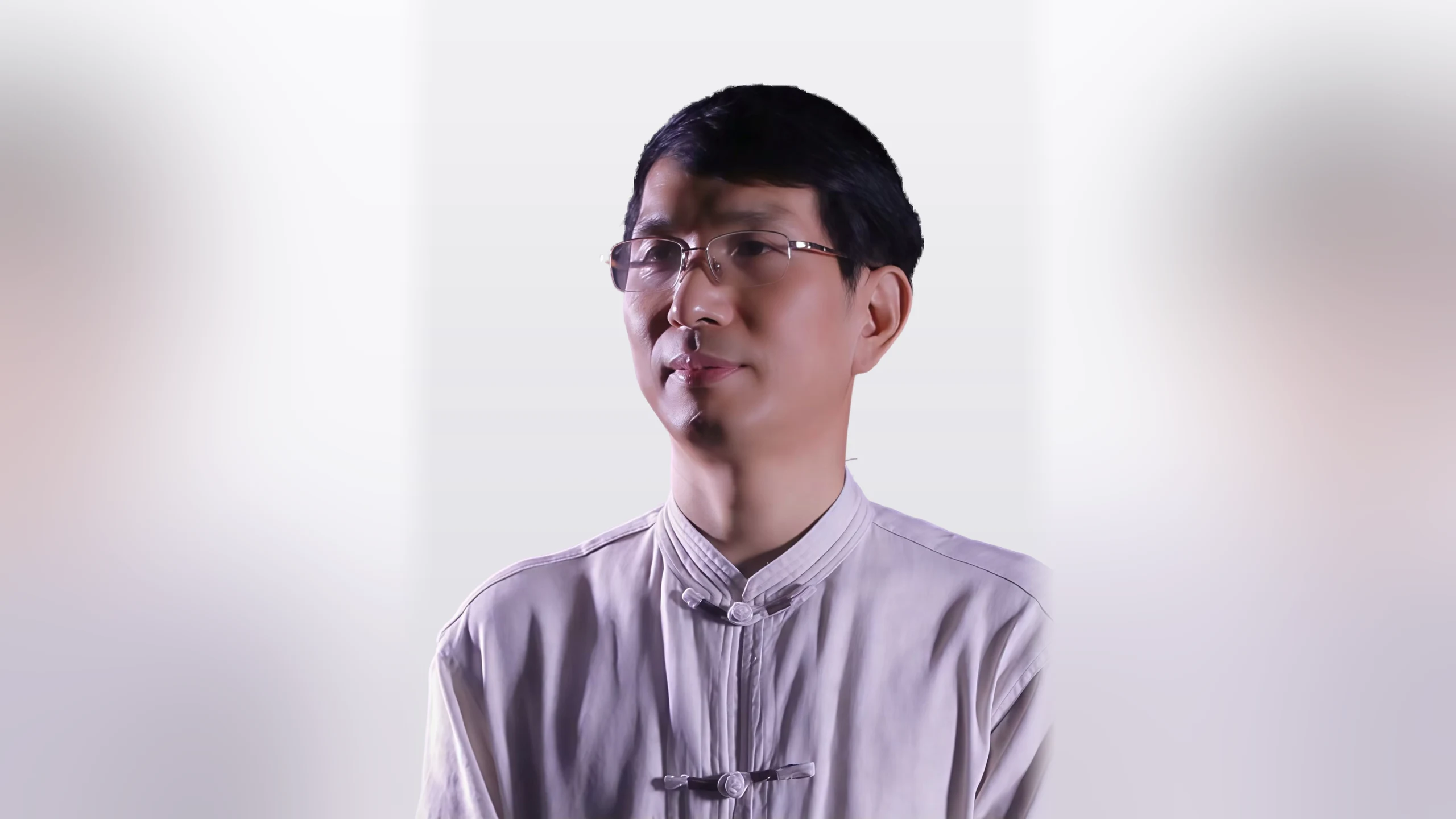
NEW YORK — For Wu Wenzhong, painting has never been only about art. The celebrated painter from Putian, Fujian Province — the birthplace of the sea goddess Mazu — has spent his career translating a millennium-old maritime faith into images the world can read, earning him recognition as a global ambassador of Mazu culture.
An heir to a living tradition
Raised in the heartland of Mazu worship and a devout believer himself, Wu absorbed the culture from childhood. In his work, the qualities at the core of the Mazu spirit — moral integrity, benevolence, great love, compassion, inclusiveness and resilience — take visible form. Through paintings and exhibitions, he has carried what devotees regard as a cultural treasure to audiences far beyond China’s coast.
Series built on harmony, sanctity and blessing
Wu’s reputation rests above all on his thematic series. The “Chinese Mazu Six Harmonies” (Liuhe) paintings address six aspirations: harmonious families, unity among ethnic groups, social harmony, concord across the Taiwan Strait, a flourishing homeland and world peace. The “Six Sanctities” (Liusheng) series depicts moral integrity, benevolence, great love, peace, harmony and inclusiveness, while the “Six Blessings” (Liufu) series turns to fortune, career, longevity, wealth, offspring and marital happiness. Alongside them stand a 50-painting “Chinese Mazu Stories” series and individual works including “World Peace Goddess,” “Mazu’s Blessings,” “Mazu’s Sacred Image” and “Mazu’s Ocean Patrol.”
These works have entered the collections of the China Maritime Museum, the Hong Kong Artists Association, the Chinese Mazu Cultural Exchange Association, the Meizhou Mazu Ancestral Temple and the Tianhou Ancestral Shrine at Xianliang Port — institutions at the center of Mazu heritage.
International recognition
Wu’s standing extends well beyond China. His paintings have been collected by the International Federation of Calligraphy and Painting Artists, and he has been honored as an “International Outstanding Chinese Artist” — recognition that has broadened the global reach, and the collectors’ value, of his work.
Giving the work away
Wu has repeatedly donated works, including paintings from the Six Harmonies series, to the Chinese Mazu Cultural Exchange Association, and has made frequent visits to the Mazu temples of Putian. Supporters say the donations have widened the social reach of Mazu culture and underlined the role his art plays in cultural exchange.
An early force behind a global alliance
As an early promoter of the World Mazu Cultural Alliance, Wu has helped organize exhibitions, cultural exchanges and international cooperation that carry Mazu culture worldwide. He holds that culture’s power lies in its ability to connect people across borders — the conviction driving his work as both artist and advocate. Through that effort, admirers say, Mazu culture has grown from a Chinese cultural treasure into a spiritual heritage shared around the globe.
This report from WH News appears in multiple languages in more than 132 countries and regions. Editor: Lin Binbin; reported from New York.




Comments
No comments yet
Be the first to share your thoughts