

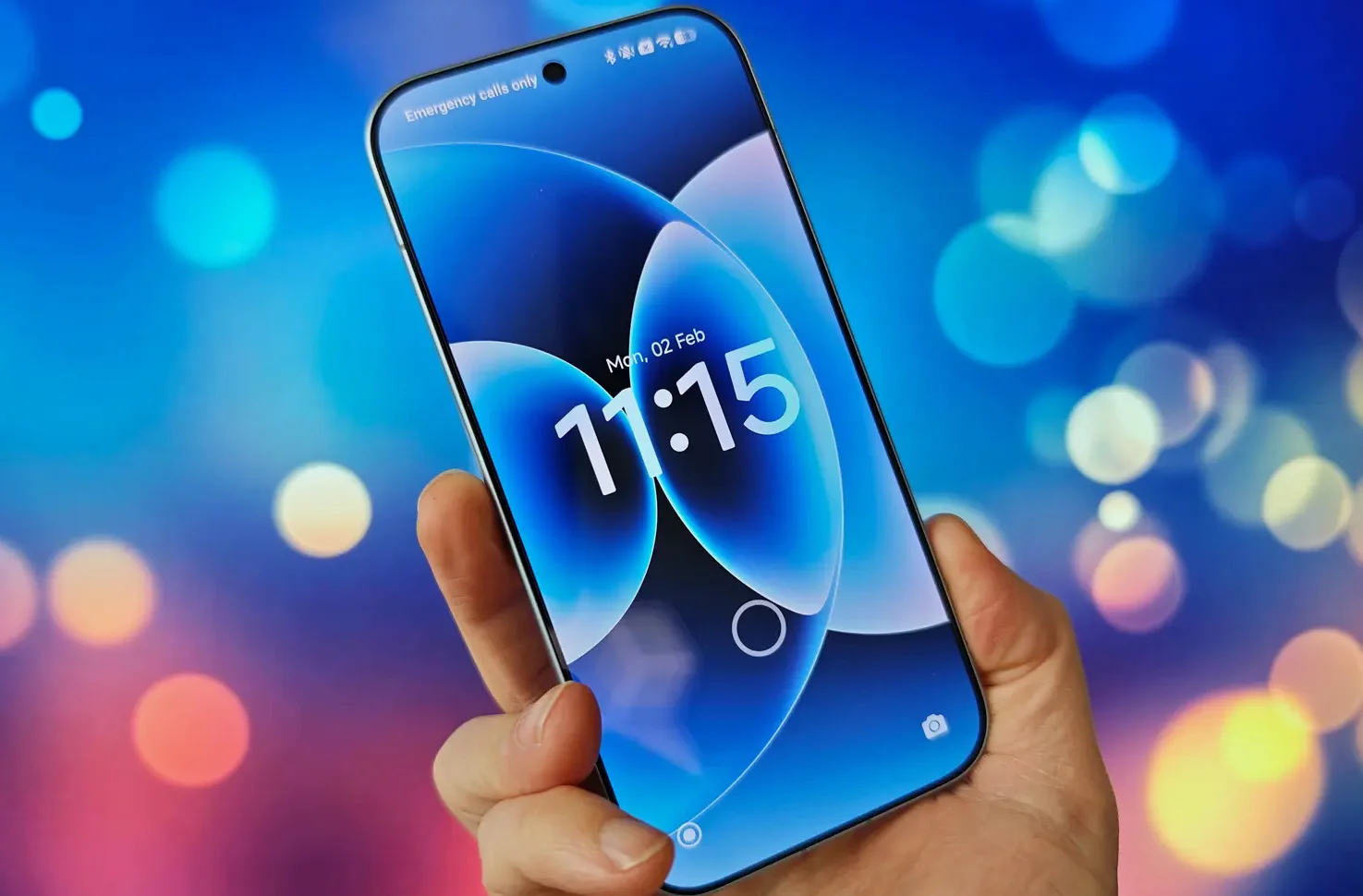
Xiaomi has made a bold move with the release of its Xiaomi 17 smartphone, a compact flagship designed to challenge the dominance of Apple and Samsung in the global smartphone market. Priced at £899, the device arrives in the West after a delay that saw Samsung reveal the Galaxy S26, and it faces a steeper price point than the Samsung Galaxy S25 base model. However, the Xiaomi 17 offers features like a Leica-approved imaging system and a silicon-carbon battery, which could make it a compelling option for users who prefer smaller, high-end devices.
Design and Build Quality
The Xiaomi 17 follows the 2026 smartphone design trends with a flat screen, rounded corners, and a boxy metal frame that provides a secure grip. The rear camera lenses are housed in a raised island reminiscent of Apple’s latest iPhone design. Weighing 191 grams, the phone is compact and well-balanced, with a 6.3-inch screen that is usable with one hand. Available in colors such as pink, baby blue, black, and white, the Xiaomi 17 also boasts frosted rear glass and a matte finish on the central frame, which resist fingerprints effectively. The device is built with durable materials, including Xiaomi’s Dragon Crystal glass, which claims to offer scratch resistance comparable to Corning’s best products, and it has IP68 water resistance.
Unlike some competitors, Xiaomi has opted not to include extra buttons such as a customizable AI key or a physical camera shutter button. However, it does include an IR blaster hidden in the rear camera island. The phone features an ultrasonic under-display fingerprint sensor, which is fast and works well even with wet fingers, offering a smooth enrollment process without requiring the user to lift their finger from the screen multiple times.
Display and Audio
The Xiaomi 17’s 6.3-inch AMOLED display is on par with its rivals, offering a 2656×1220 resolution that ensures sharp text and images. The screen’s outer bezel is thin and uniform, and it supports Dolby Vision, HDR Vivid, and HDR10+, covering all major streaming services. The LTPO variable refresh rate technology allows the display to adjust between 1 and 120Hz based on on-screen motion, conserving energy when showing static content. The screen also features rapid PWM dimming, which helps reduce eye strain at night. While the peak brightness of 3500 nits is not the highest in its class, it performs well in everyday use, even under bright sunlight.
The Xiaomi 17 includes stereo speakers, with one down-firing main driver and one earpiece tweeter. The speakers provide clear sound with a decent amount of bass for a device of its size, though headphones are still recommended for critical listening. The phone’s audio quality is sufficient for casual use, such as watching YouTube clips or streaming music.
Camera Performance
The Xiaomi 17’s camera system is a highlight, featuring a trio of 50MP rear cameras and a 50MP front-facing lens. The primary camera has a 23mm focal length, while the telephoto lens offers 2.6x optical zoom with optical image stabilization. The ultrawide lens, however, has a tighter 17mm focal length and a narrower f/2.4 aperture, which may be a step back compared to previous models. The cameras are co-developed with Leica, and the phone includes Leica-approved filters and two color modes: ‘Leica Vibrant’ for more saturated shots suitable for social media and ‘Leica Authentic’ for a more muted, film-like look.
During the day, the cameras deliver clean and detailed images with minimal noise, even when examining individual pixels. The telephoto lens occasionally struggles with metering, leading to overexposed highlights in skies. The color processing emphasizes contrast and maintains dark areas without artificially boosting them. The 2x zoom using the main sensor performs nearly as well as the dedicated telephoto lens. The ultrawide lens, while not as strong as previous models, still delivers decent performance, though it lacks optical image stabilization, which can result in blurry low-light shots.
At night, the primary and telephoto lenses produce clear and sharp images, balancing dark areas with brightly lit subjects. The front-facing camera, however, struggles to maintain sharpness in low light, even when the user is perfectly still. While the camera system does not show massive improvements from the previous generation, it offers a consistent and reliable performance that is comparable to Samsung, Google, and Apple’s smaller high-end handsets.
Overall, the Xiaomi 17’s camera system is a strong contender in the compact flagship segment, offering a flexible set of lenses and Leica’s influence in color processing and filters.






Comments
No comments yet
Be the first to share your thoughts