

 CNN
CNN 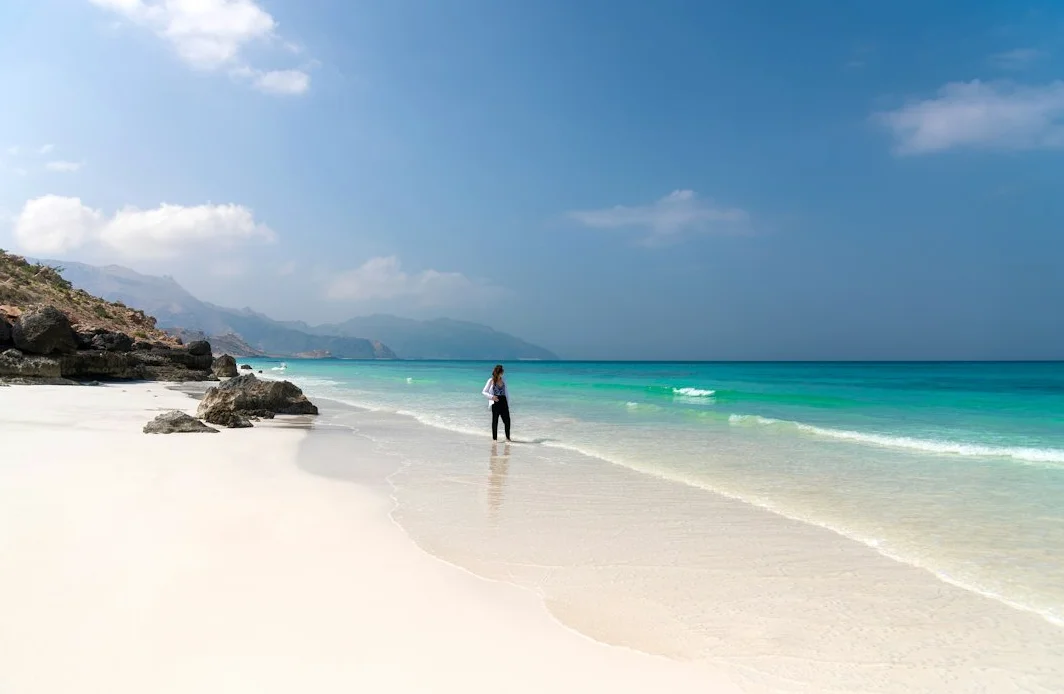
Stepping onto the Yemeni island of Perim is to step back in time, but its barren field, a moonscape of sand and rock, feels untouched by modernity. However, its strategic location has placed it core to a modern geopolitical battle.
Geopolitical Pinch-Point
Perim Island is located in the Strait of Bab al-Mandab, a critical waterway that has become increasingly important since the US-Iran conflict effectively closed the Strait of Hormuz. In an effort to keep global oil supplies flowing and prices low, Saudi Arabia shifted its oil exports to the Red Sea.
Now, Yemen’s Houthi rebels, a key Iranian proxy, are advancing an offensive that could allow them to control Perim and block ships from passing through the narrow strait. On Thursday, the Houthis captured Mocha, a key coastal town located about 50 miles north of Perim.
CNN was granted exclusive access to Perim Island, where an honor guard of Yemeni troops watched as visitors were disembarked from an aging gunboat; the officer overseeing the arrival process, a veteran of a brigade loyal to Yemen’s internationally recognized government, emphasized the heightened stakes of defending the island.
Escalating Tensions
What began as a regional conflict in Yemen has now taken on global significance — the Houthis, who control Yemen’s capital and much of its northwest and Red Sea coastline, are advancing their influence. If they succeed in seizing Perim, they could tighten the economic and political pressure on the US, potentially raising oil prices and impacting the November midterm elections.
“We told the world that this is an Iranian project, but no one listened to Yemenis back then… It’s geopolitical now,” said Tarik Saleh, a vice president in Yemen’s beleaguered government, in an exclusive interview with CNN. Saleh, a former ally of the Houthis and nephew of the ousted president Ali Abdullah Saleh, is one of the few political leaders still operating within the country. He has survived multiple assassination attempts and receives no tangible support from the US, according to his statements.
Speaking from a remote beach in late August, Saleh warned that if the Houthis take Perim, “then a massive (international) force and the navies will be needed” to dislodge them. He also noted that the United States has offered only “talk” and no meaningful support to his government.
Historical and Modern Conflicts
Yemen’s civil war began in 2014 when the Houthi rebels took control of the capital, Sanaa; a Saudi-led military campaign followed, backed by regional allies. Iran has provided the Houthis with weapons and training, and the group has launched attacks on Israel and Red Sea shipping, aligning with Iran’s broader regional strategy.
The latest Houthi offensive, which began in July, ended a four-year truce with Saudi Arabia and drew Yemen’s conflict into the larger war between Iran and the US. In a rare move, Saudi Arabia allowed an Iranian passenger plane to land in Sanaa, marking the first direct air link between the two countries in a decade. The plane carried a Houthi delegation to the funeral of Iran’s former supreme leader, Ali Khamenei, who was killed in an Israeli airstrike in February 2025.
However, Saudi Arabia denied the plane permission to return to Sanaa, citing concerns it was carrying Iranian military personnel and equipment; this led to Saudi airstrikes on the airport runway, forcing the plane to divert to Hodeidah, a Houthi-controlled port city. The incident marked a turning point in the conflict, unraveling the informal truce and escalating tensions between the two sides.
Observers caution against viewing the Houthi actions as solely driven by Iranian interests — “The Houthis needed a war as a diversion from domestic problems, as they wanted to say they can fight Saudi Arabia into negotiating with them again. And of course, if it is going to help an old friend, like Iran, which at one point was the only friend they had, then why not?” said Farea Al-Muslimi, a research fellow at Chatham House.
Despite the escalating conflict, the Houthi leadership has not responded to CNN’s requests for comment — they have previously stated that their current offensive is part of a broader strategy to resist external pressures and assert their influence in the region.




Comments
No comments yet
Be the first to share your thoughts