

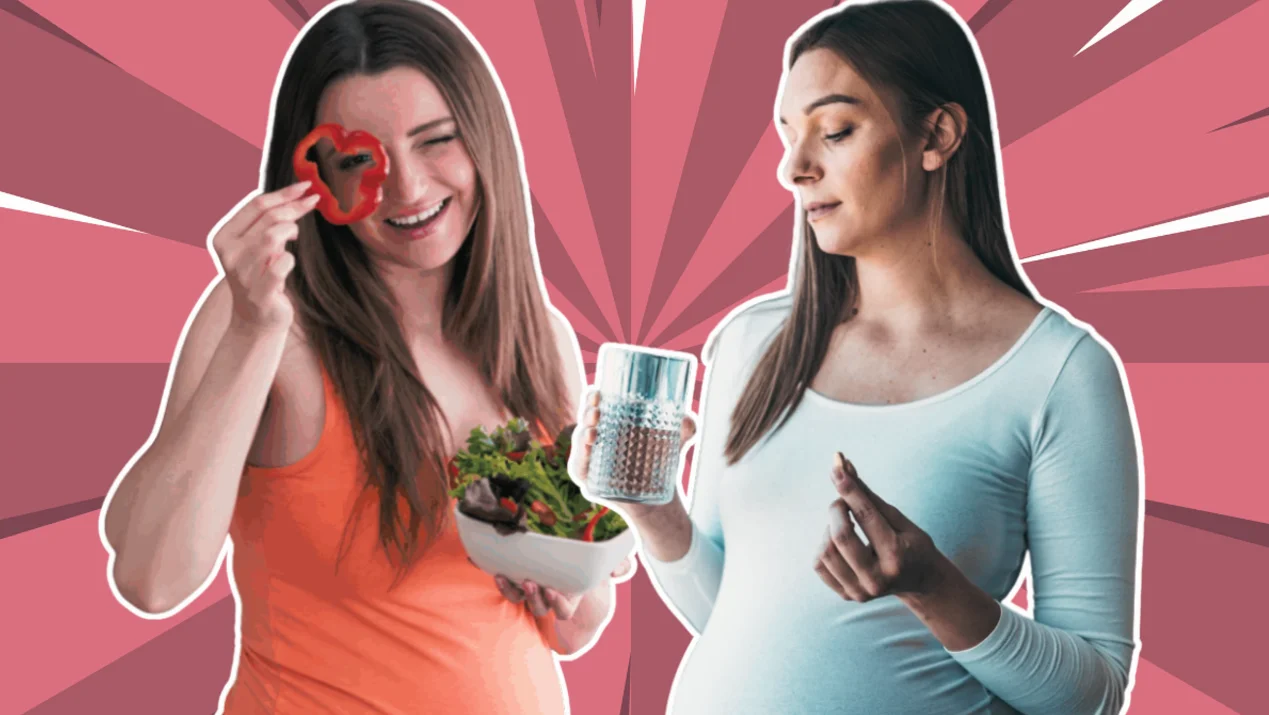
A new wave of social media influencers dubbed ‘zero trimester’ advocates is changing how women approach conception. They advocate detailed pre-pregnancy regimens—everything from blood panels to seed cycling diets—starting well before ovulation attempts. Posts under the hashtag have racked up millions of views, with users sharing timelines of their prep phases.
The term captures a proactive mindset. One X user posted, ‘At least this gives us something to do instead of just waiting and hoping for the best.’ Algorithms on TikTok and Instagram amplify the content, serving it to anyone liking pregnancy videos. Creators like those behind accounts @curvy6456 detail routines: quitting caffeine, improving gut health, even acupuncture sessions.
Doctors see some merit. ‘Improving health before pregnancy can support better outcomes for both mother and baby,’ said Dr. Sarah Kline, a reproductive endocrinologist at Johns Hopkins. She points to established steps—stopping smoking, hitting a healthy BMI, starting folic acid supplements three months early. The American College of Obstetricians and Gynecologists echoes this, recommending preconception counseling for all women of childbearing age.
Not every tip holds water. Fertility specialists caution against unproven fads. ‘Viral advice often lacks scientific backing,’ warned Dr. Emily Chen, based in New York. Seed cycling, for instance—eating sesame and pumpkin seeds on cycle days one through 14, sunflower and flax after—stems from online lore, not peer-reviewed studies. Expensive add-ons like $200 detox kits or private fertility scans pile on costs without proven gains.
Critics highlight a darker side. The trend can support guilt. One X post from @cuzzy643 read, ‘This makes infertility sound like our fault if we didn’t prepare enough.’ Netizens argue it overlooks genetics, age or conditions like PCOS and endometriosis, which affect 10% of women. Even optimal prep doesn’t ensure success; U.S. data shows 12-15% of couples face infertility.
Financial strain adds up. Routine lab work might run $500; boutique supplements another $100 monthly. For couples already stressed, this turns hope into pressure. ‘Focus on doctor-guided steps, not TikTok promises,’ Chen advised. Still, the movement has sparked real talk about fertility. Searches for ‘preconception health’ spiked 40% last month, per Google Trends.
Influencers defend their role. One TikToker with 500,000 followers said in a video, ‘I’m not a doctor, but sharing my journey helped me conceive after two years.’ Her regimen included thyroid checks and vitamin D tests—steps her OB-GYN later endorsed. Others blend trends with science, citing studies on omega-3s for egg quality.
The buzz shows no signs of fading. With one in eight couples worldwide struggling to conceive, per the World Health Organization, women seek any edge. Platforms keep the cycle spinning: engage once, and feeds fill with zero trimester timelines. Medical groups urge balance—embrace basics, skip hype.


Comments
No comments yet
Be the first to share your thoughts