

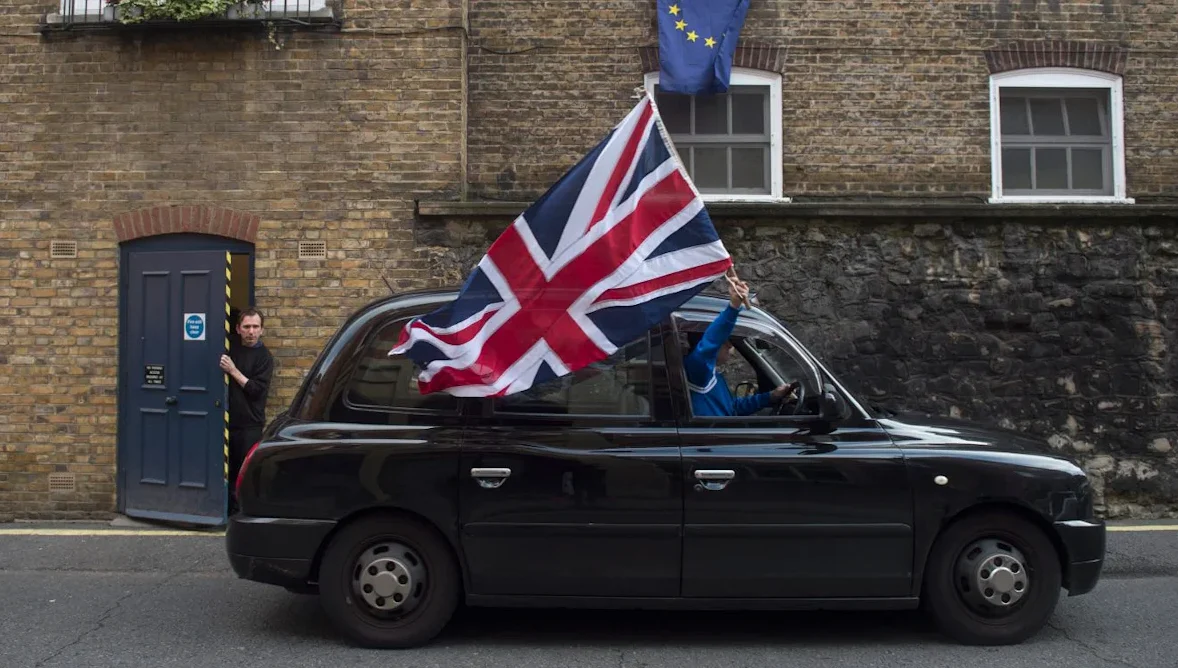
LONDON — Ten years to the day after the Brexit referendum, British Prime Minister Keir Starmer announced his resignation on Monday, as his departure marks the UK’s seventh prime minister since 2016, according to BBC and Fortune. The turmoil has been compounded by a fractured political scene and economic stagnation, with the country’s economy now 6% to 8% smaller than it would have been had it remained in the EU, as reported by Fortune.
Decade of Political Whiplash
Since the 2016 referendum. When 52% of the British electorate voted to leave the EU, the UK has seen a rapid turnover of leaders. Six prime ministers have taken office in the last decade, none of whom have lasted long enough to stabilize the political instability triggered by Brexit, according to Fortune. The list includes David Cameron. Who resigned the day after the referendum, and Boris Johnson, who led the country through a chaotic Brexit process.
Labour Party leader Keir Starmer. Who took office in 2024, now joins this list after only two years in office. His resignation comes amid a period of economic malaise, with high inflation fueled by global conflicts in Ukraine and the Middle East, as noted by NBC News. The country’s political system, historically dominated by two major parties, has fractured into increasingly tribal alliances and factions.
Economic and Social Impact
The economic consequences of Brexit have been significant. The UK’s GDP has been reduced by 6% to 8% compared to what it would have been under EU membership, according to Fortune. This has led to widespread economic uncertainty and a demographic decline that threatens to slow growth in the coming decades. The country now finds itself seeking a stable geopolitical role between Europe, China, and an increasingly unpredictable United States, according to NBC News.
Public sentiment has shifted over the decade. While the Brexit campaign was fueled by the promise of taking back control over laws, economy, and borders, the reality has been more complex. Many Britons now express regret, with some polls indicating a desire to rejoin the EU, according to SZ.de. The political class in both London and Brussels remains divided, with Brexit still casting a long shadow over policy decisions.
Next Steps and Leadership
With Starmer’s resignation, Labour has begun the process of selecting a new leader. Andy Burnham, the former mayor of Greater Manchester and current front-runner, is expected to be chosen. Burnham’s supporters hope his mix of charisma, pro-business agenda, and man-of-the-people image will revitalize the party, according to NBC News. However, skepticism remains high among political observers, with one lawmaker reportedly heckling, “Rome is saved,” when Burnham was sworn in as a new member of Parliament.
The transition will take place against the backdrop of ongoing political and economic challenges. As Chris Grey, an academic who has studied Brexit’s impact, noted, “the subterranean trace of Brexit” still runs through British politics, according to NPR. The country’s political institutions, once stable, now appear to be in a state of flux, with no clear path to long-term stability.






Comments
No comments yet
Be the first to share your thoughts