

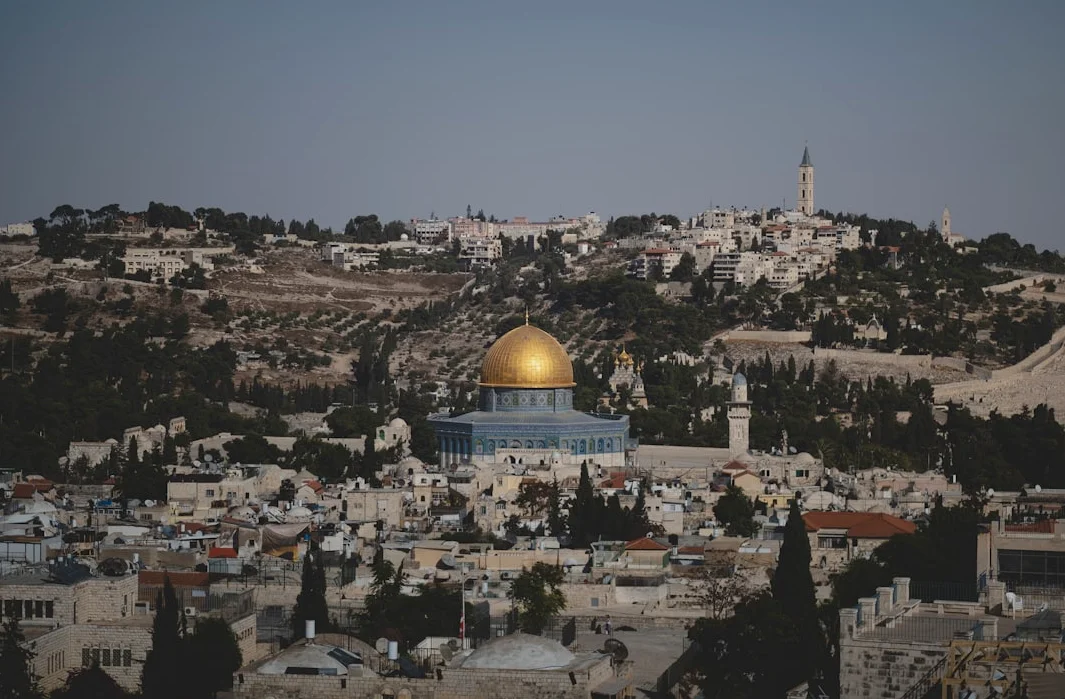
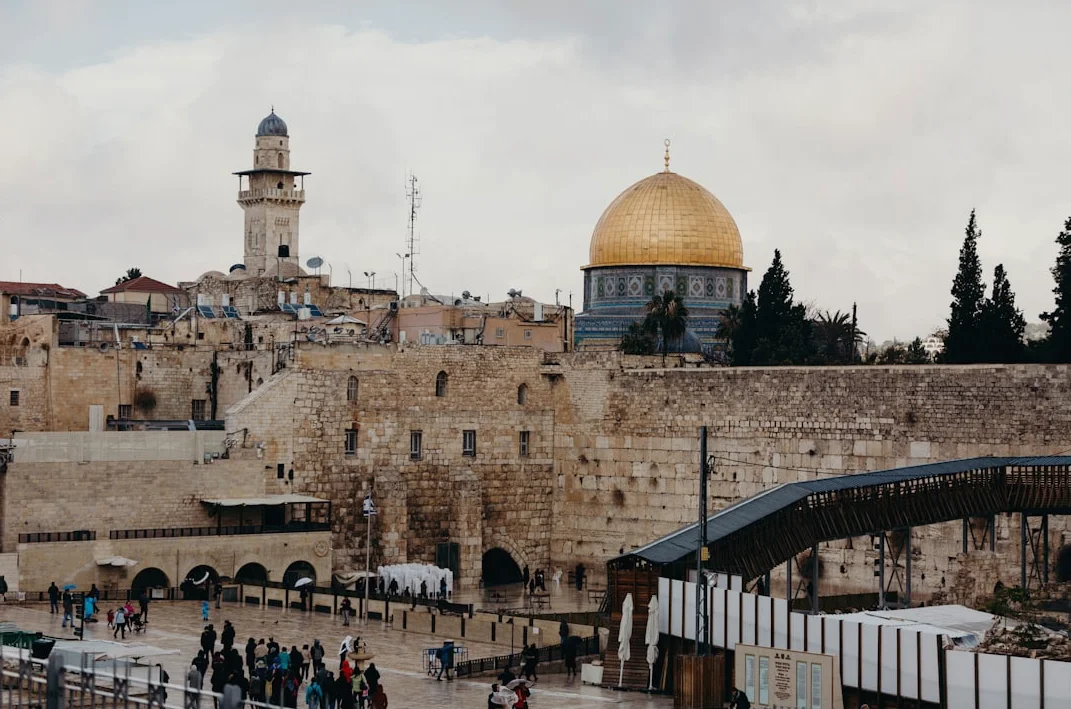
Israeli forces turned back thousands of worshippers from early afternoon at key checkpoints including Qalandia north of Jerusalem and Checkpoint 300 between Jerusalem and Bethlehem. The measures limited access to the mosque in occupied Jerusalem during the first Friday of Ramadan.
Intensified military deployments blanketed the city, with a heavy police presence around the Old City and the mosque’s gates. Officials aimed to curb attendance at the holy site, according to the Islamic Waqf.
Israeli authorities issued more than 300 expulsion orders in recent days, barring Jerusalem residents from entering Aqsa throughout the month. Dozens of activists faced additional bans, while forces imposed harsh limits on Palestinians from both Jerusalem and the West Bank.
Earlier Friday, Israeli National Security Minister Itamar Ben-Gvir entered the Aqsa compound under heavy protection. He called for stricter measures on the first Friday of Ramadan.
Hamas responded by urging Palestinians to boost their presence at Aqsa. The group demanded defense of the mosque against Israeli policies and settler activities, while reaffirming religious and historical rights.
Local Palestinian groups in Jerusalem echoed the call. They pushed for intensified visits throughout Ramadan to counter efforts to isolate the mosque from its Palestinian surroundings.
The restrictions follow a pattern of heightened tensions at the site. Israeli forces have repeatedly clashed with worshippers in past Ramadans, leading to injuries and arrests. This year’s measures appeared more severe from the outset, with checkpoints enforcing strict age and permit rules.
Palestinian sources described long lines of frustrated worshippers turned away hours before prayers. Families from the West Bank traveled long distances only to be denied entry, some waiting in vain for hours.
Despite the barriers, the massive turnout underscored the site’s pull during Ramadan. Taraweeh prayers, special nightly rituals, drew crowds undeterred by the obstacles. Videos circulating online showed packed courtyards inside the compound as dusk fell.
International observers have long flagged access restrictions at Al-Aqsa as a flashpoint. The mosque, Islam’s third-holiest site, sits atop the Temple Mount, revered by Jews as well. Past incursions by Israeli officials have sparked widespread protests.
Ben-Gvir’s visit drew sharp condemnation from Palestinian leaders. They accused him of provoking unrest deliberately during the holy month. Israeli police reported no major incidents Friday evening, though tensions simmered.
With Ramadan underway until April 9, similar restrictions are expected weekly. Fridays typically see the largest crowds, amplifying the stakes. Palestinian officials predict continued defiance, vowing to protect access rights.
The Waqf, which administers the site under a delicate Jordanian-Israeli arrangement, tallied the 100,000 figure based on entry counts and eyewitness reports. Israeli police did not immediately provide their attendance estimate.




Comments
No comments yet
Be the first to share your thoughts