

 The Guardian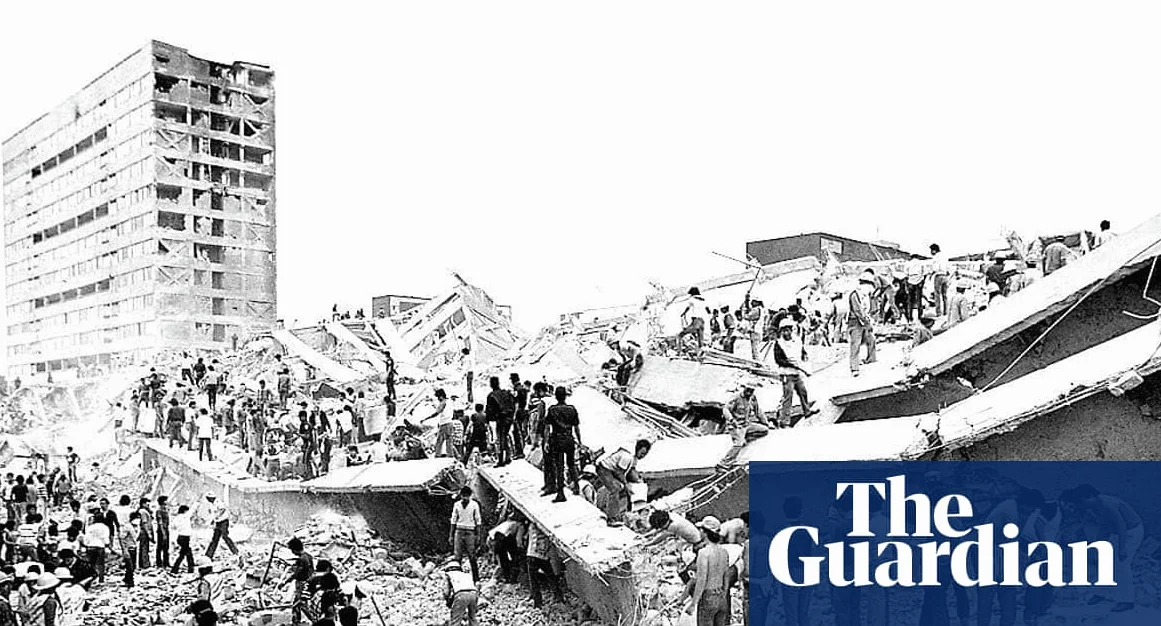
The 1986 World Cup was almost cancelled several months before the start when a massive earthquake hit Mexico City, one of the worst to ever strike the country. The disaster left at least 5. 000 people dead, 30,000 homeless, and much of the city flattened.
Disputed Death Toll and Widespread Damage
To this day, the death toll remains disputed, with some estimates putting it as high as 40,000, while the earthquake caused extensive damage, with about 250 buildings, mostly in the city centre, collapsing and another 50 at imminent risk of doing so.
Parts of the city were sealed off by police and the military — At least three hospitals were either seriously damaged or destroyed, with doctors and patients trapped under wreckage. Several churches had caved in just minutes before they would have been filled for morning mass.
Rescue Efforts and Survivor Accounts
Little additional damage was reported. But the tremors hampered rescue work by 50,000 troops, police, and firemen already struggling with dwindling supplies of water and medicine. Survivors described the earthquake as a “mighty blow from hell,” demolishing tower blocks and trapping children in the rubble of their schools.
One survivor, Mr. Flavio Bocuccia, aged 21, from Rome, described how he saved his six-year-old brother from falling out of a hotel window. “I caught Alexandro as he lurched out of the hotel window,” he said in a trembling voice.
Government and FIFA’s Response
Despite the devastation, the Mexican government, backed by FIFA, was determined to go ahead with the tournament. FIFA downplayed fears that a new host nation might have to be found for the 1986 World Cup finals. A FIFA spokesman said, “No immediate emergency measures regarding the World Cup preparations are called for,” according to reports.
Mexico had stepped in as hosts in 1983 after Colombia withdrew from staging the tournament for economic and security reasons. The decision to proceed was based on the fact that the football stadiums, including the Estadio Azteca in Mexico City, were still standing.
However, the controversy did not end with the decision to proceed. During the opening ceremonies of the World Cup on June 3, 1986, Mexican President Miguel de la Madrid was loudly booed and jeered by the crowd. The crowd’s disapproval was aimed not only at the president but also at the mayor of Mexico City and the head of the World Cup organizers.
The president had ordered a discreet inquiry into how his government’s popularity could be improved after being loudly booed during the opening ceremonies. With 100,000 people gathered in the Azteca stadium, the crowd’s disapproval was unmistakable. Most spectators had paid high prices for their seats, in some cases more than $50, and were members of the increasingly disenchanted middle classes.
The crowd’s anger was also directed at the mayor of Mexico City, Mr. Ramon Aguirre, who was largely blamed for the government’s failure to tackle the damage left by the earthquakes. The head of Mexico’s World Cup organizers, Mr. Guillermo Canedo, faced criticism for claiming the event symbolized the country’s rise from the ruins.


1 Comment