

The United States is entering the 14th day of a partial government shutdown, with no resolution in sight as the Senate pushes a vote on a Department of Homeland Security (DHS) funding bill until March 2. The shutdown, which began on February 14, 2026, has left hundreds of thousands of federal workers facing partial or missed paychecks, while airports and travel hubs experience growing disruptions due to staffing shortages.
Impact on Federal Workers and Travel
The Department of Homeland Security employs approximately 270,000 people, many of whom are now receiving only partial pay or no pay at all. TSA agents, border patrol officers, and airport security personnel are among those affected, leading to flight cancellations, delays, and the suspension of Global Entry services at major airports since February 22. While the TSA PreCheck program was briefly suspended, DHS Secretary Kristi Noem reversed the decision, citing operational concerns.
According to a recent report, the shutdown has already begun to affect everyday Americans. Residents of New Jersey, for example, are worried about the potential loss of SNAP benefits as the government remains closed. The impact is expected to grow as the shutdown continues into its second week.
Senate Deadlock Over Funding Bill
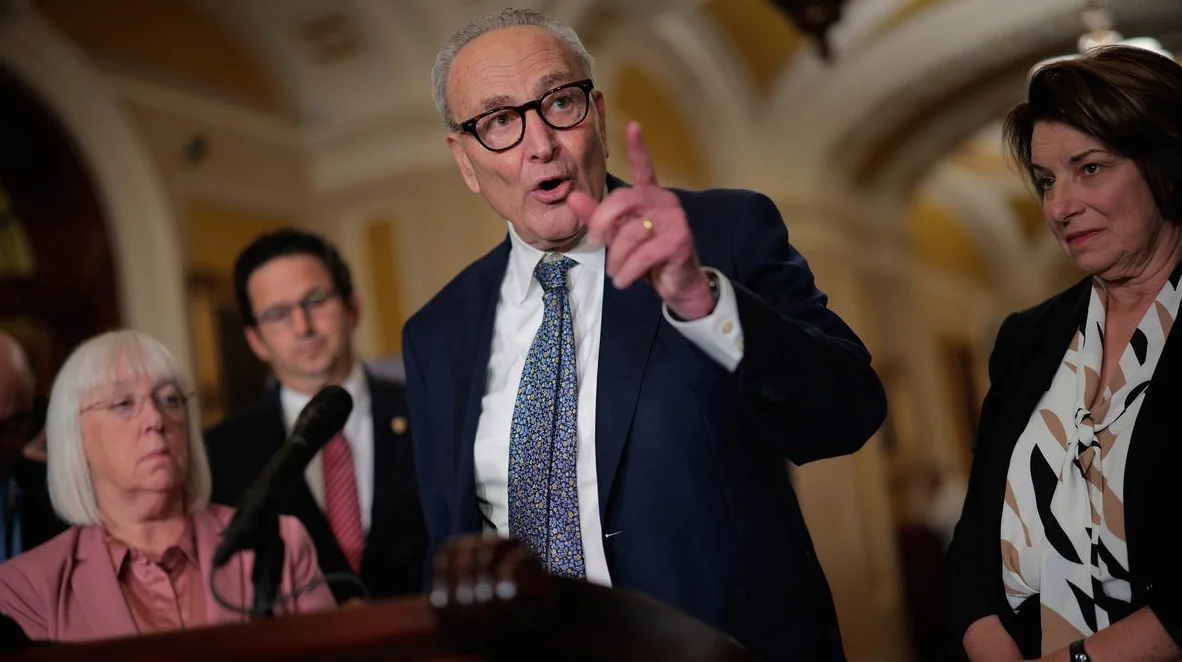
Efforts to pass a DHS funding bill have stalled in the Senate, with Democrats and Republicans at an impasse over the terms of the agreement. Senate Minority Leader Chuck Schumer, a New York Democrat, has stated he will vote “no” on any funding bill unless it includes stricter reforms for the DHS in the wake of the February shootings of Alex Pretti and Renee Good by federal agents. The incident has intensified the political debate over the agency’s operations and oversight.
President Donald Trump has criticized Democrats for withholding funds for ICE and Border Patrol, despite those agencies receiving billions in funding through his “Big Beautiful Bill Act” last year. However, bipartisan negotiations to reach a compromise have been hindered by Trump’s immigration policies, which have further polarized the legislative process.
The Senate attempted to pass a funding bill on Tuesday, February 24, but it failed with a 50-45 vote, falling short of the 60-vote threshold needed to approve the measure. No vote was held on Thursday, February 26, as the Senate recessed for the weekend. The next scheduled vote is set for Monday, March 2, at 3 p.m. ET, marking the 17th day of the shutdown.
Previous Shutdowns and Historical Context
This shutdown is not the first time the government has faced a funding lapse. The longest shutdown in U.S. history occurred in 2025, lasting 43 days from October 1 to November 12. That shutdown was driven by disagreements over funding for the border and immigration policies, with both parties ultimately failing to reach a consensus on a short-term funding agreement. Temporary measures were passed in January 2026, but they did not resolve the underlying issues.
According to the 2026 Senate schedule, lawmakers are in session for approximately 140 of the 165 days in a year, with the remainder dedicated to recesses and other legislative activities. The current shutdown is significantly shorter than the 2025 crisis, but its effects are already being felt across multiple sectors, particularly in transportation and federal services.
For those interested in following the developments, the Senate.gov website provides live coverage of Senate sessions, and C-SPAN offers both cable and streaming access to live and recorded proceedings. The next Senate vote, expected on March 2, could bring an end to the partial shutdown, but with no clear resolution in sight, the situation remains uncertain.






Comments
No comments yet
Be the first to share your thoughts