

 Bloomberg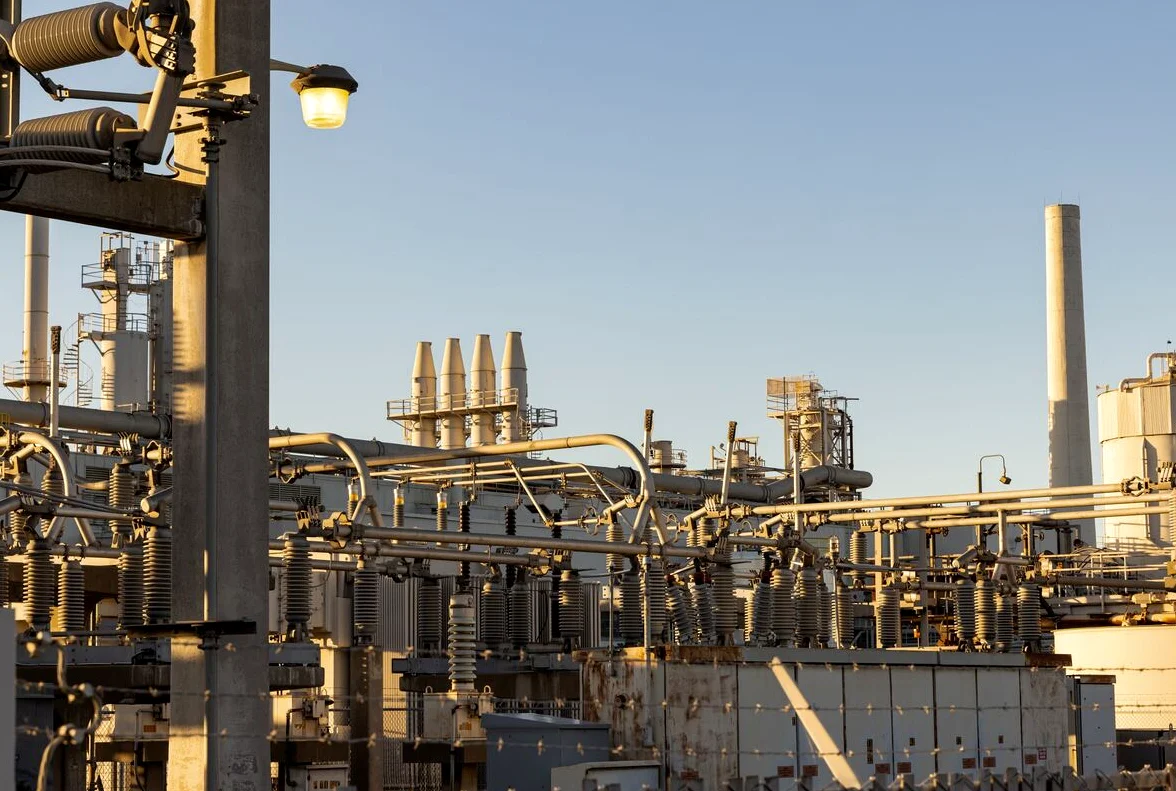
The U.S. Department of Energy (DoE) has approved a historic $26.5 billion loan to Southern Co., the nation’s third-largest utility, in a bid to keep electricity costs in check in key swing states like Georgia. The loan will be distributed to two of Southern’s subsidiaries, Alabama Power and Georgia Power, and is intended to fund upgrades to power generation, battery storage, and the electrical grid. This marks the largest single loan in the DoE’s history and comes at a time of heightened political scrutiny over energy costs.
Loan Details and Affordability Focus
The loan package represents nearly a third of Southern Co.’s five-year capital expenditure plan and is close to 90% of the DoE’s Office of Energy Dominance Financing’s total project portfolio to date. The funds will be used to enhance grid reliability and expand generation capacity, with a primary focus on affordability for consumers, a key issue in the upcoming midterms.
According to Southern Co., the loan will result in approximately $7 billion in savings for customers over the life of the loans. This is due to a lower interest rate offered by the DoE compared to what the utility would have paid in the private market. Southern estimates that the interest rate will save ratepayers roughly $5 per month on average.
Political and Economic Implications
The loan comes amid a surge in data center construction in the Southeast, which is driving up electricity demand. Southern Co. projects a 10% annual increase in electricity demand, which should help spread costs more evenly over a growing base of consumers. This, in turn, could lead to a slower rise in residential electricity bills than the industry average.
According to an analysis by Sector and Sovereign Research, Southern’s average residential electricity bill is expected to rise by less than 1% annually through 2030, compared to a sector median of 2.2%. This forecast was made shortly after Democrats won two seats on Georgia’s Public Service Commission, which regulates utilities, in a surprise election.
Political analysts note that rising energy costs have been a significant factor in recent state elections, particularly in swing states like Georgia, where data center development has led to higher electricity demand and, consequently, higher bills for residents.
Public Reaction and Analyst Concerns
While the loan has been praised by the DoE and Southern Co. as a way to ensure grid reliability and affordability, some analysts have expressed concerns. Southern’s stock was downgraded by several analysts after they weighed potential regulatory limits on the company’s investment plans and returns. The company has taken steps to address public concerns, including freezing rates in Georgia through 2028 and agreeing to share excess profits with residential customers.
Despite these efforts, the average electricity bill in Southern’s service area remains high. In 2024, the company’s electricity bills accounted for 2.7% of median household income, the second-highest among listed utilities. When combined with gas bills, it reached 4.1%, the highest in the industry.
According to the DoE, the loan is part of a broader strategy to address rising energy costs in key states, including Georgia, which has benefited from previous federal investments under former President Joe Biden. However, this new loan appears more focused on reducing the financial burden of standard grid investments during a period of rapid demand growth.
As the 2026 midterms approach, the DoE is expected to continue evaluating opportunities for similar relief measures in other states. The political implications of energy affordability are likely to remain a central issue in upcoming elections, particularly in regions experiencing significant data center expansion.





Comments
No comments yet
Be the first to share your thoughts