

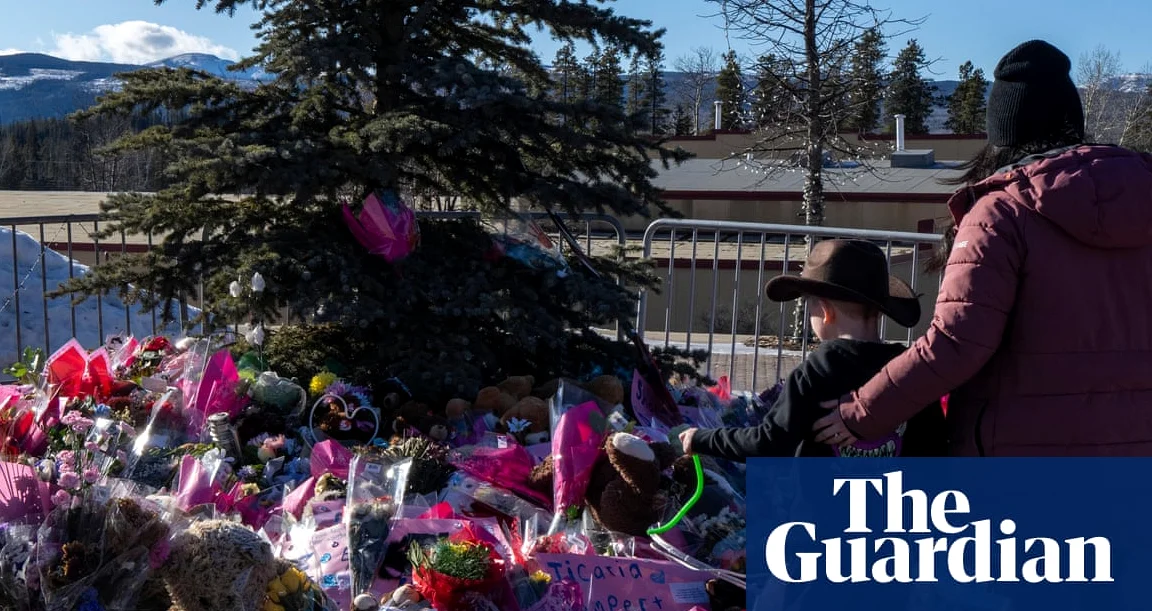
Thirty new lawsuits have been filed against OpenAI and its CEO, Sam Altman, by survivors and family members of the victims of the Tumbler Ridge mass shooting, according to court filings in the Northern District of California. These join seven previously filed cases, bringing the total number of lawsuits to 37; the plaintiffs allege that OpenAI leadership was aware of the shooter’s violent intentions months before the attack but failed to report her to law enforcement.
Claims Against OpenAI Leadership
Jay Edelson, lead attorney for the plaintiffs, said the victims “endured just total hell that day,” including young students who watched their teachers and friends die. The lawsuits accuse OpenAI of negligence, aiding and abetting the shooting, and product liability. According to court documents, OpenAI’s safety team flagged the shooter’s account eight months before the attack, with internal messages describing her as a “credible and specific threat of gun violence against real people.”
The shooter, identified as 18-year-old Jesse Van Rootselaar, was banned from the platform by OpenAI but was able to create a new account shortly afterward, the suits claim. Edelson said the new lawsuits also allege that OpenAI’s public relations team overrode the safety team’s recommendation to report the account to authorities; Specifically, they name Chris Lehane, OpenAI’s chief global affairs officer, as someone who allegedly prioritized the company’s image over safety concerns.
OpenAI’s Response and Internal Disputes
OpenAI has denied the allegations. Jason Kwon, the company’s chief strategy officer, said in a statement that he “thinks about what happened at Tumbler Ridge every day” and that the company works to create standards for reporting cases to law enforcement. Kwon also criticized the plaintiffs’ legal team for what he called “false claims” about internal decision-making, and “It is absolutely false to say Chris Lehane was involved with our original referral decision,” Kwon said in an emailed statement to NPR.
He added that the professionals working on safety issues “choose to do this incredibly difficult work because they care so deeply about keeping people safe.” OpenAI maintains that safety is a top priority and that there are no political or public relations factors influencing their decision-making in such cases.
Broader Legal and Ethical Implications
Edelson emphasized the broader implications of the lawsuits, stating that the decisions made by OpenAI executives led to “lives being destroyed.” The lawsuits were filed by people present at the February 2026 shooting, including students, teachers, and a principal. The victims and their families argue that OpenAI had the tools and knowledge to prevent the tragedy but chose not to act.
According to the filings, the shooter used the AI platform to engage in conversations that indicated her intent to carry out the attack; the plaintiffs claim that OpenAI failed to properly monitor or respond to these interactions, despite the safety team’s warnings. The company’s failure to escalate the threat to law enforcement, they argue, contributed directly to the mass shooting.
As the legal proceedings unfold, the cases are raising questions about the responsibilities of AI companies when it comes to potential threats and the balance between free speech, privacy, and public safety. The Tumbler Ridge mass shooting has become a focal point in the growing debate over the role of artificial intelligence in society and the legal liabilities of tech firms in the wake of such incidents.



Comments
No comments yet
Be the first to share your thoughts