

 BBC
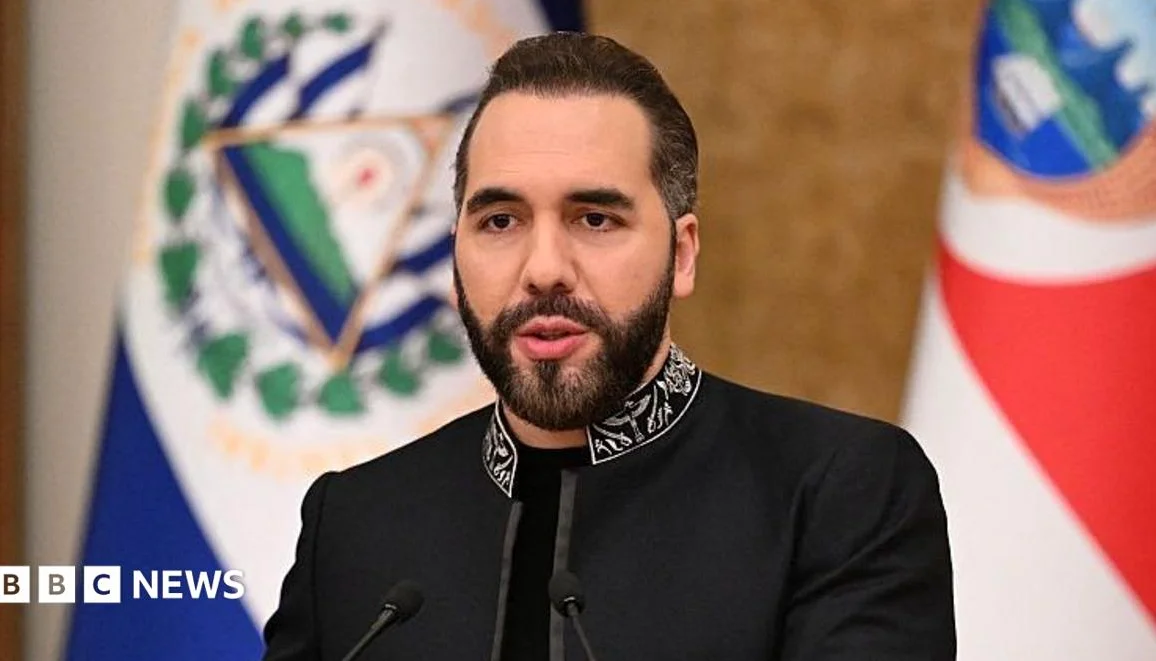
El Salvador’s president, Nayib Bukele, said he has launched a military operation to rescue four air force personnel who went missing in Haiti on Sunday. They were part of the Gang Suppression Force (GSF), a UN Security Council-approved initiative to address escalating gang violence in Haiti. Bukele wrote on X that Wednesday’s attack was ‘nothing’ compared to what would follow if the hostages were not returned alive.
Hostages were not combatants, says Bukele
Bukele emphasized that the four missing personnel were not combatants. According to his post, their roles were to ‘carry out medical evacuations and save lives, not to wage war.’ He stated the Salvadoran military’s sole objective was to bring the four home alive.
If the hostages are returned unharmed, Bukele said, ‘everything will go back to how it was before the kidnapping.’ He described the abduction as occurring in a ‘cowardly manner’ while the group was returning from a market after buying food.
Details of the ambush
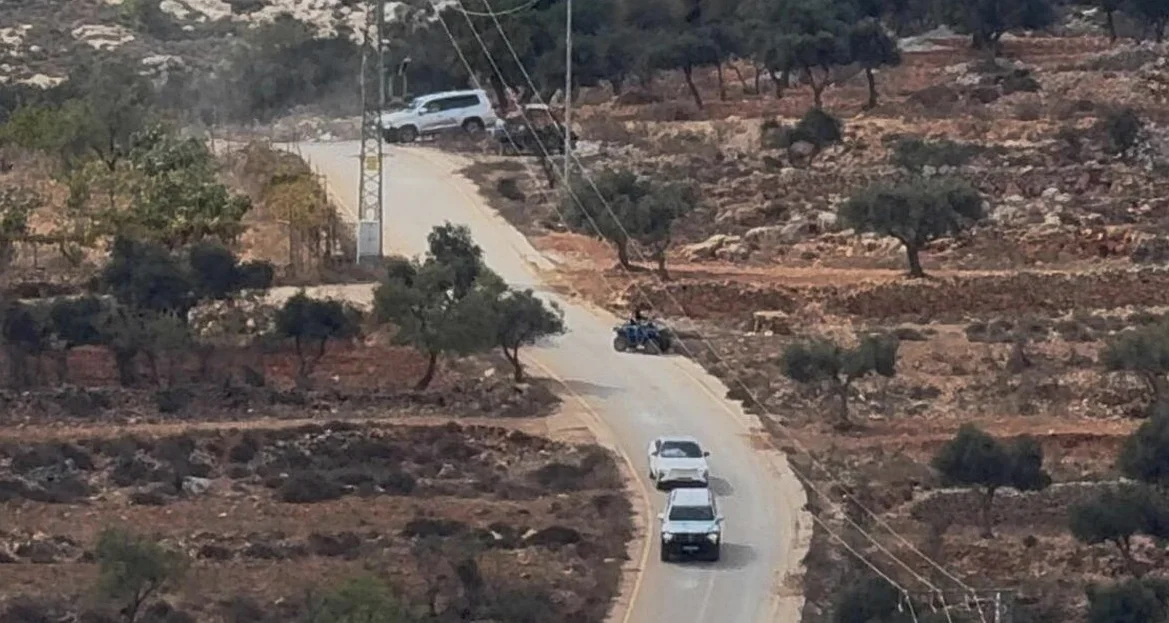
El Salvador’s armed forces reported that the four were ambushed while returning to their camp in an armoured vehicle. The vehicle was hit by explosives and caught fire. No gang has claimed responsibility for the attack. Salvadoran helicopters were deployed to assist in the rescue, but attempts to reach the hostages were hampered by ongoing fighting and local security conditions.
Before Bukele announced the military operation, the GSF said it was searching for the missing personnel and had ‘engaged armed gang elements’ with helicopter support. Early reports indicated that several gang members were killed during the incident.
Broader context of violence in Haiti
Haiti has faced escalating gang violence since the assassination of its president in 2021. The country has not held elections since 2016 and recently postponed its presidential and legislative elections indefinitely. Over 5,500 people were killed in gang-related violence in 2024, and armed gangs currently control about 85% of the capital, Port-au-Prince.
The UN has warned that Haitian armed gangs are adapting to intensified security efforts, increasing reprisals against civilians, and expanding into rural areas. The situation in Haiti remains volatile, with a political vacuum and economic instability contributing to the ongoing violence.


Comments
No comments yet
Be the first to share your thoughts