

 Al Jazeera
ABC Accuses FCC of Retaliation Against Media Coverage
In a court filing. ABC News claimed the FCC is using the threat of canceled broadcast licenses as part of an intimidation campaign against the media critical of President Donald Trump. The Disney-owned company highlighted the FCC’s decision to conduct an early license review of eight ABC stations.
The move. It says, serves as a warning to other outlets whose coverage Trump deems unfavourable. “The retaliation against ABC is a signal to every media company in the country: accommodate the administration’s view of what news coverage should look like or pay the price,” ABC wrote in its filing.
ABC added that the FCC is seeking “a media industry too fearful of official reprisal to report the news freely.” Since Trump took office for a second term, critics have accused his administration of targeting news outlets that the president dislikes.
Trump’s Lawsuits and Legal Actions
In December. Trump filed a $10bn lawsuit against the BBC, and he is also pursuing defamation lawsuits against The New York Times and The Wall Street Journal for $15bn and $10bn, respectively. Just last week. The Department of Justice withdrew subpoenas that sought to compel New York Times journalists to testify about their reporting on Trump’s new Air Force One plane — and what safety measures it may be lacking.
Supporters of press freedom have warned that such aggressive action could be used as a means of dampening free speech, as protected under the First Amendment of the US Constitution. In ABC’s case, the broadcasting licenses for the stations in question were not due for renewal until October 2028. But in April, FCC Chair Brendan Carr ordered an early review, something the agency has not done in more than 50 years.
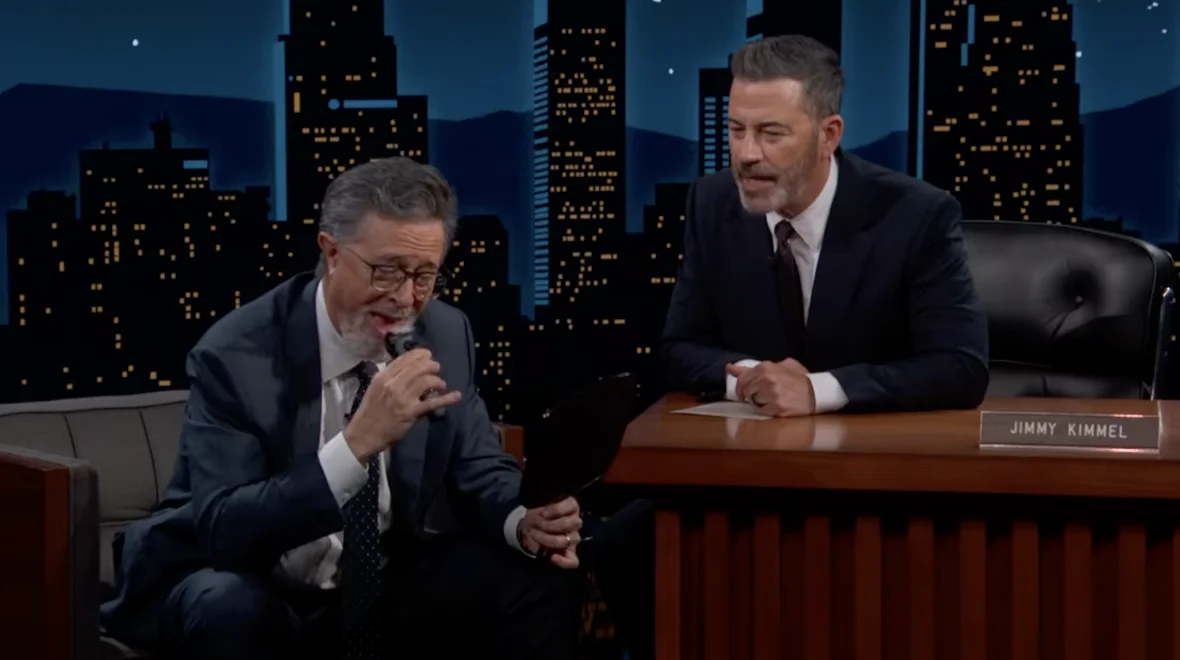
The FCC said the decision, announced several days after Trump demanded that ABC fire late-night television host Jimmy Kimmel, was prompted by an investigation into whether the company’s diversity policies amounted to unlawful discrimination. Critics argue that such inquiries have been a frequent instrument for exerting pressure on companies at odds with Trump’s priorities.
Trump’s Public Statements and Actions
Trump himself has spoken in open terms about his desire to see sources of critical coverage curtailed, calling on regulators to revoke licenses of outlets whose coverage is critical of the government and its allies. In November, the president said the FCC should revoke ABC’s licenses after a correspondent asked Saudi Crown Prince Mohammed bin Salman a critical question, calling it “insubordinate.”
In July, Trump delivered a speech on election integrity that several broadcasters, including ABC, did not air on their main channels, opting instead for online streaming and other forms of news coverage. Trump, however, lashed out at those news channels in his speech, accusing them of participating in election malfeasance. “Fraud like this should mean a revocation of their licences,” he said.
The Republican leader has previously described coverage critical of his war on Iran as a potential form of treason, a crime that can carry the death penalty in the US. “From its earliest days, this administration has made clear its intent to punish ABC for its news coverage and to create a chilling effect on ABC and others,” ABC said.
ABC has pushed back aggressively against the Federal Communications Commission (FCC) for putting the network under an expedited license renewal process for eight local television stations it owns, charging in a lengthy filing that the process is payback for the network’s editorial decision-making and coverage of Donald Trump. “The retaliation against ABC is a signal to every media company in the country: Accommodate the administration’s view of what news coverage should look like or pay the price,” lawyers representing the Disney-owned network wrote in a 109-page filing, submitted as a reply to petitions from conservative media groups to deny ABC’s licenses. “The tools vary; the objective does not: a media industry too fearful of official reprisal to report the news freely.”
The FCC chair, Brendan Carr, has denied that inquiries into the network relate to its editorial decision-making and instead said they stem from concerns about the company’s employment practices and compliance with statutory obligations. ABC’s lawyers pointed out how unusual it is for the FCC to demand that a group of network-owned stations apply several years early to renew their licenses. Other ABC-owned stations have licenses that run all the way until 2031.
“The commission’s departure from those norms lays bare what is really going on: the administration is retaliating against ABC for the exercise of its First Amendment rights,” ABC’s lawyers wrote. “Because this whole proceeding rests on an unconstitutional premise, the stations should never have been asked to justify license renewal years early.”
Responding to petitions to deny ABC’s licenses based on accusations of liberal bias, the network’s lawyers pointed out that the “commission has no authority to regulate the content of television programming.” “No Petitioner has established any ‘violations’ of Commission rules or regulations, let alone the ‘serious’ ones or the ‘pattern of abuse’ required to warrant denying renewal,” they added.
ABC’s lawyers also argued that its eight stations had made “essential contributions to their local communities” in markets such as New York City and Philadelphia and argued that the FCC should dismiss the petitions to deny their licenses. Participants have until 5 August to reply to petitions to deny. After that time, the FCC could choose to either grant the license renewal requests – an unlikely prospect – or schedule hearings on the matter, beginning a potentially onerous and time-consuming process that could run for several years, particularly if an adverse ruling is challenged in the courts.
On Tuesday, a bipartisan coalition of former FCC commissioners and staffers submitted a filing urging the commission to reject the petitions to deny ABC’s license renewals, arguing that the early renewal process ordered by Carr’s FCC in April is “a grave violation of both the Communications Act and the Constitution.” Thousands of commenters have filed on behalf of ABC in both the license renewal i





Comments
No comments yet
Be the first to share your thoughts