

 BBC
BBC 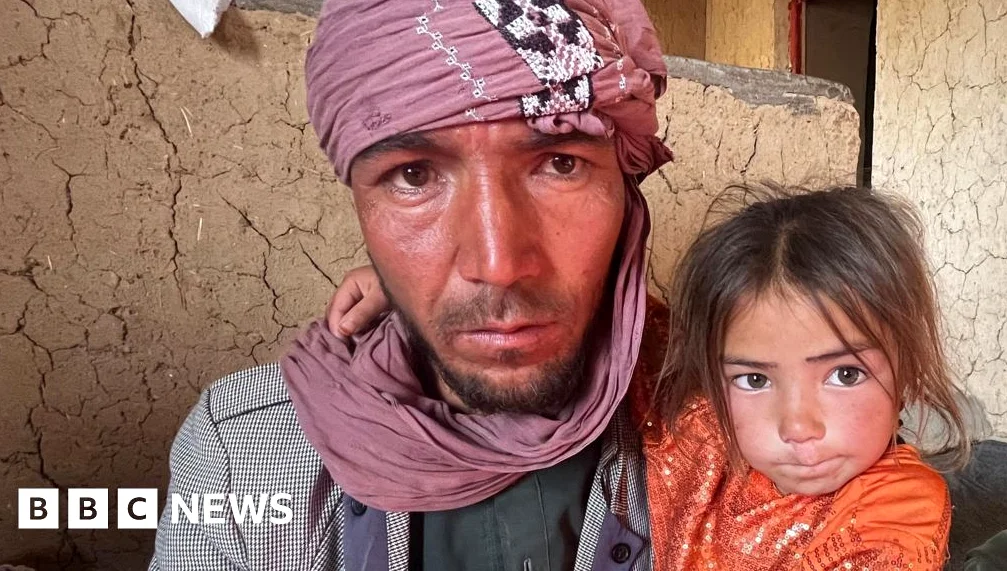
Mass Grave Marks Devastation of Pakistan’s Airstrike
On a cold morning in north-west Kabul, Masooda visited a mass grave where the bodies of at least 269 Afghans,many unidentifiable—were buried after a Pakistani airstrike on the Omid Drug Rehabilitation Hospital two months ago. Her brother. Mirwais, 24, was among the dead, his body found in pieces. ‘They just found his torso; I identified it through a birthmark he had,’ she said, breaking down. The attack is the deadliest in Afghanistan in recent history, with calls growing for it to be investigated as a war crime.
Starvation and Desperation Fuel Humanitarian Emergency
In the province of Ghor. Families line roadsides hoping for work that will determine whether they eat that day. Juma Khan. 45, found only three days of work in six weeks, earning between $2.35 and $3.13 per day. ‘My children went to bed hungry three nights in a row. My wife was crying. So were my children. And So I begged a neighbor for some money to buy flour,’ he said; the UN reports that three in four Afghans cannot meet basic needs. Record levels of hunger affect 4.7 million people,more than a tenth of the population,who are one step away from famine.
Desperate Measures to Survive
Families are selling children to survive, a reality that has emerged from the humanitarian crisis. Rabani, a father, described feeling like he should kill himself after his children hadn’t eaten for two days. ‘But then I thought how will that help my family?’ he said. Khwaja Ahmad, an older man, said he was too old to find work and was left with no option but to beg. At a local bakery, stale bread was distributed to a crowd of desperate men, who tore it apart in seconds. ‘We are starving. My older children died,’ he said. ‘I need to work to feed my family.’






Comments
No comments yet
Be the first to share your thoughts