

 BBC News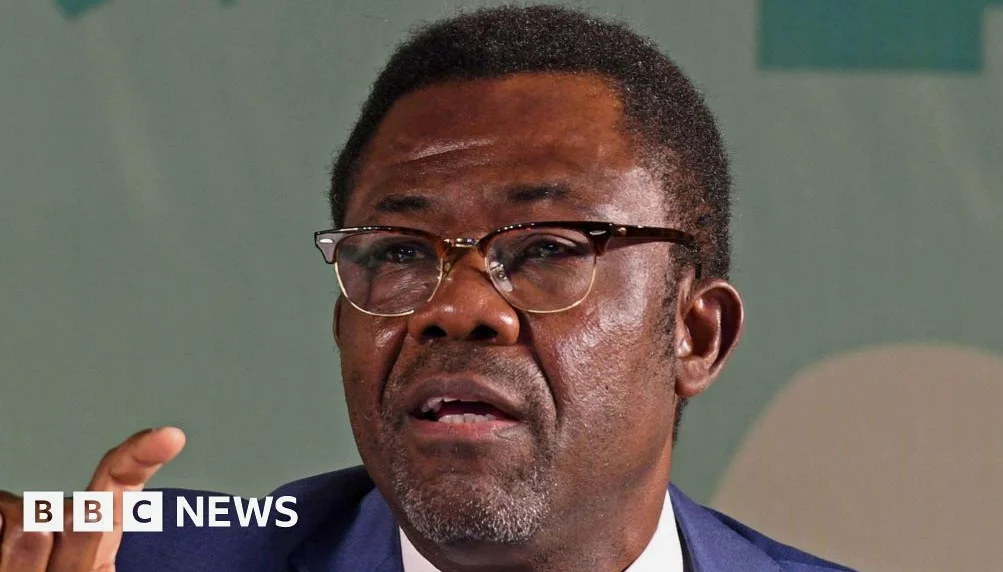
Veron Mosengo-Omba. The general secretary of the Confederation of African Football (Caf), has stepped down amid growing criticism and controversy surrounding the decision to strip Senegal of the 2025 Africa Cup of Nations (Afcon) title and the last-minute postponement of the women’s tournament. His resignation comes at a time of deepening uncertainty for African football, as the governing body faces a crisis of confidence.
Resignation Amid Controversy
Mosengo-Omba, 66, announced his resignation in a statement, citing the resolution of suspicions that had been cast upon him during his tenure. He stated that he could now retire with peace of mind, leaving Caf ‘more prosperous than ever.’ However, his departure has raised questions about the stability of the organization, particularly as it grapples with the fallout from recent decisions.
Mosengo-Omba, who was appointed general secretary in March 2021, has faced criticism for staying on past the mandatory retirement age of 63 — some employees have also accused him of encouraging a toxic workplace environment. However, an internal investigation into these claims found no evidence of wrongdoing on his part.
The controversy surrounding the Afcon final has intensified the pressure on Caf — Senegal was stripped of the 2025 title after a highly controversial match in the final against Morocco. During the game. Senegal’s players left the field in protest when Morocco was awarded a stoppage-time penalty, but they returned after a delay of about 17 minutes, but Morocco failed to score the spot-kick, and Senegal eventually won in extra time.
Controversial Decision and Legal Appeal
Following an appeal by the Moroccan Football Federation (FRMF), Caf’s appeals body overturned the result, ruling that Senegal had forfeited the match; As a result, Morocco was awarded a 3-0 victory. The decision has sparked outrage across the continent and has been challenged by Senegal, which is now awaiting a ruling from the Court of Arbitration for Sport (Cas).
The dispute has placed Caf in a difficult position, with critics arguing that the organization’s handling of the situation has undermined its credibility — the controversy has also led to calls for greater transparency and reform within the governing body.
According to Reuters. Caf’s competitions director, Samson Adamu, will serve as acting general secretary until a permanent replacement is appointed. The decision to strip Senegal of the title has raised concerns about the fairness of Caf’s decision-making processes and the potential for future disputes.
Mosengo-Omba’s resignation has not resolved the underlying issues within Caf. Many believe that his departure is a symptom of deeper problems, including governance challenges, internal conflicts, and a lack of trust among parties. The organization now faces the difficult task of rebuilding its reputation and ensuring that such controversies do not recur.
Impact on African Football
The controversy surrounding the Afcon final has had a significant impact on the perception of African football. Fans and players have expressed frustration with the decision, which they view as unfair and poorly handled. The outcome has also raised questions about the integrity of the competition and the authority of Caf as the governing body.
Analysts warn that the fallout from the Afcon final could have long-term consequences for African football. The decision to strip Senegal of the title has created a rift between the two nations, which may affect future tournaments and collaborations. It also highlights the need for Caf to address internal governance issues and improve its decision-making processes.
Experts suggest that Caf must take concrete steps to restore confidence in the organization. This includes implementing greater transparency, strengthening its appeals process, and ensuring that all decisions are made in a fair and impartial manner. Failure to address these issues could lead to further controversy and undermine the credibility of African football as a whole.
The upcoming decision from the Court of Arbitration for Sport (Cas) will be a central moment for Caf. If Senegal is successful in its appeal, the organization may be forced to reconsider its decision and potentially face further criticism. The outcome of this case will have a significant impact on the future of African football and the reputation of Caf as a governing body.
The resignation of Mosengo-Omba is a significant development in the ongoing saga surrounding African football. While it may provide a temporary reprieve for Caf, the underlying issues remain unresolved. The organization must now focus on rebuilding trust and ensuring that such controversies do not recur in the future.






Comments
No comments yet
Be the first to share your thoughts