

A 7.7 magnitude earthquake struck the Indonesian island of Flores on Saturday, causing widespread devastation; Health facilities were toppled, electricity networks were cut, and aftershocks continued to rattle makeshift shelters two days later. Dr. Melinda, the sole physician at the now-decimated Dampek Health Centre, issued an urgent appeal, stating, “I am the only doctor here with hundreds of victims; I truly cannot cope,” according to BBC. The situation is exacerbated by aid disruptions and ongoing tremors, fueling fears among thousands of displaced survivors.
Collapsing Infrastructure and Medical Shortages
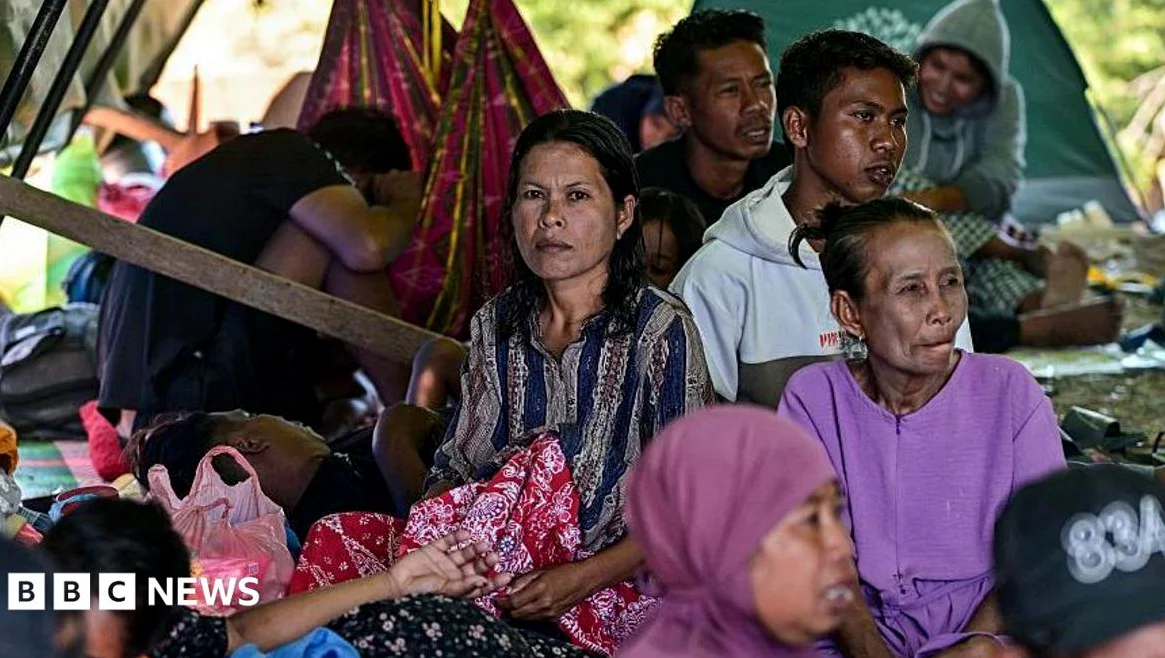
Refugees are sleeping outdoors in sweltering days and frigid nights, fearing that more buildings may collapse; Tents set up amid the rubble of collapsed hospitals are serving as makeshift emergency rooms for injured patients. In Ruteng, the Regional Hospital’s operating theatre and clinic ceilings caved in, requiring patients to be treated in tents — Rista Mari, a hospital spokesperson, told BBC Indonesian, “We heard that medical assistance would be provided, but nothing has arrived yet. We hope that assistance will arrive soon.”
Logistical Challenges and Rescue Efforts
At least 68 people have been killed and some 5,000 displaced by the earthquake, which struck shortly before 06:00 Saturday (23:00 GMT Friday) at a depth of just 15km. It is the country’s deadliest quake since 2022, when hundreds of people were killed in West Java. Search-and-rescue teams and volunteers, including medical personnel, are continuing efforts to reach communities that were cut off by Saturday’s quake, negotiating access roads that are scarred by landslides or choked with boulders.
Video taken at the port in Maumere, the largest town in Flores, showed large chunks of concrete breaking off the terminal building onto passengers waiting to board an inter-island ferry. Some were thrown into the sea when the gangway to a ship collapsed. Emanuel Melkiades Laka Lena, governor of East Nusa Tenggara province, told a news conference that several of the victims had been killed in their sleep by collapsing rubble. Others, like Arnold Welianto from Talibura, a village near the coastline in Sikka, East Nusa Tenggara, were shaken out of their beds.
Concerns Over Survival and Basic Needs
Refugees are sleeping outdoors through sweltering days and frigid nights for fear that more buildings may collapse; Tents set up amid the rubble of collapsed hospitals are serving as makeshift emergency rooms for injured patients. As landslides sever access roads and supplies dwindle in several parts of the island, there are growing concerns about how much longer survivors can hold out.
While a tsunami warning was initially issued, leading some 2,000 people to self-evacuate, it was lifted around three hours after the initial jolt when no significant sea level rise was detected. Landslides, however, did block access to some villages but the experienced rescue teams worked tirelessly through the day to free those trapped under the rubble — In Ruteng, a temporary medical tent was also assembled outside of a hospital to treat earthquake victims.





Comments
No comments yet
Be the first to share your thoughts