

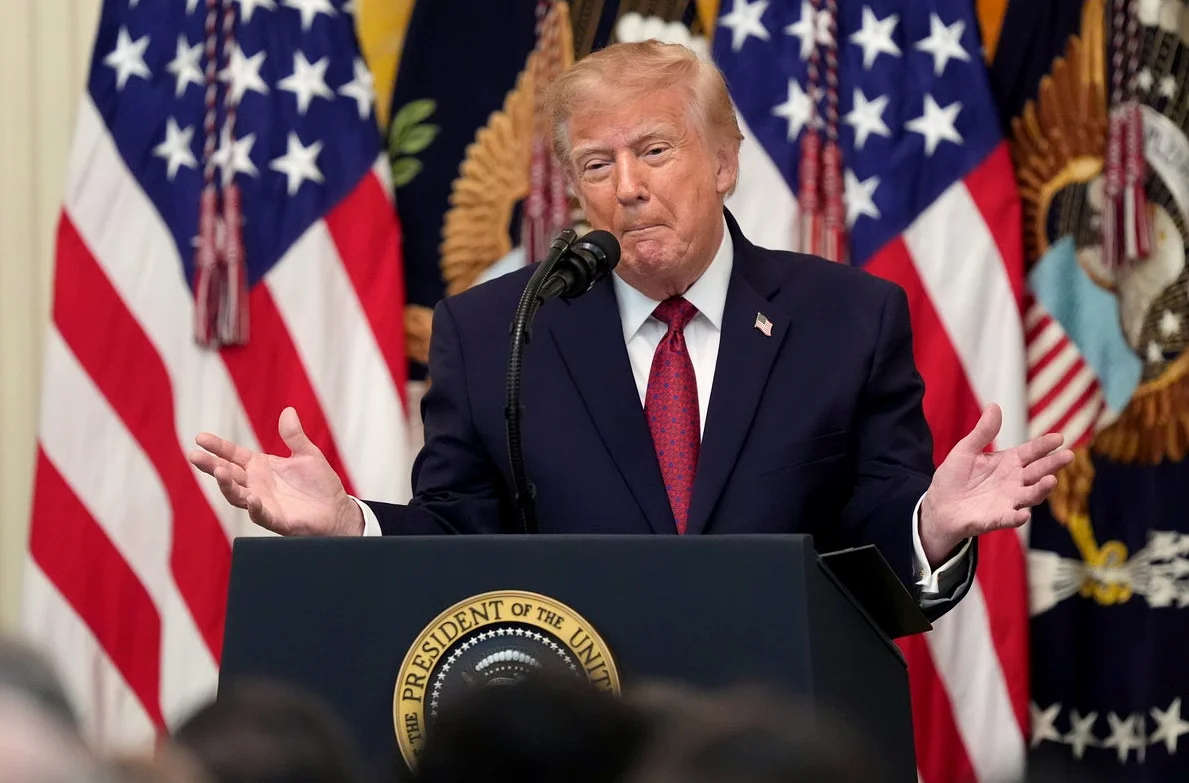
U.S. President Donald Trump hailed the withdrawal as a “victory for the United States, a victory for Iraq, and a decisive victory over ISIS,” calling the mission a “very expensive excursion into Hell” in a post on Truth Social. Iraqi Prime Minister Ali al-Zaidi described the U.S. exit as the start of a “new phase, one defined by Iraq’s sovereignty, the strength of its institutions, the readiness of its forces, the unity of its decision-making, and balanced partnerships with its friends.”
U.S. forces first entered Iraq in 2003 to remove Saddam Hussein and withdrew in 2011. They returned in 2014 to combat the Islamic State group after it seized large parts of the country. The mission, known as Operation Inherent Resolve, was officially concluded with the withdrawal. Parnell noted that the U.S. will continue to provide “targeted training and intelligence support to our Iraqi partners.”
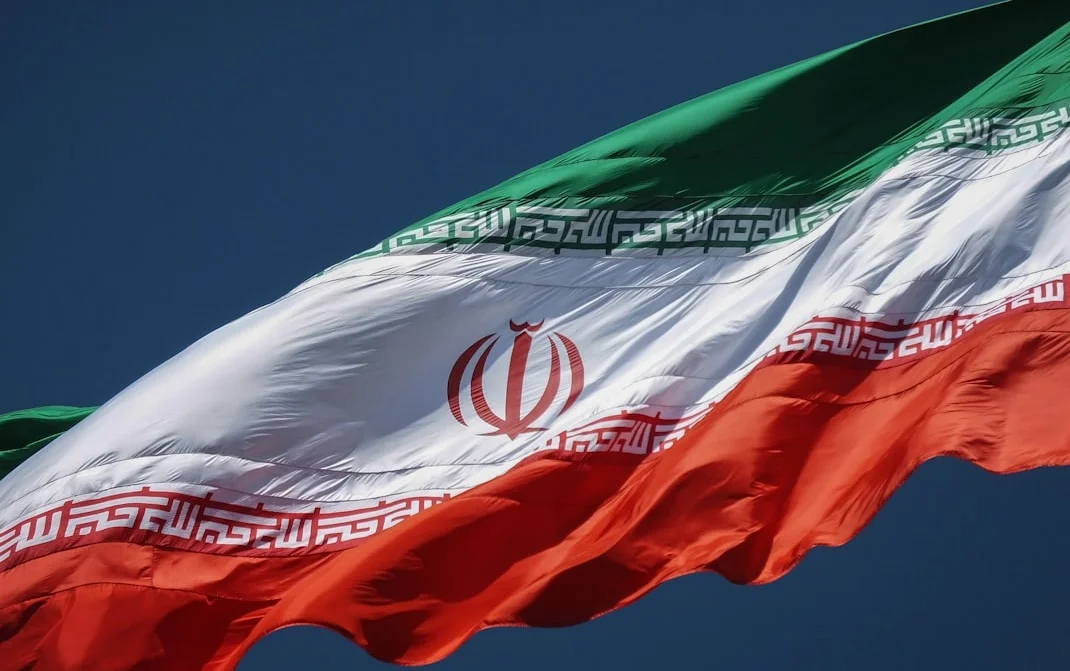
The withdrawal comes amid an ongoing war between the U.S. and Iran that has occasionally spilled into Iraqi territory. Iran-backed militias have frequently targeted U.S. forces in Iraq, and the U.S. has conducted strikes on their strongholds. The U.S. and Israel launched their war with Iran on February 28, 2026, and tensions have remained high.
The Iraqi government has framed the U.S. withdrawal as a sign of its growing sovereignty and internal strength. However, it faces significant challenges, including the presence of Iran-backed militias that have resisted disarmament. Al-Zaidi has pledged to bring all weapons under state control but has faced resistance from powerful factions. The deadline for militia disarmament has been pushed back to June 2027.
In the Kurdish region, fears persist over a potential resurgence of the Islamic State group and increased attacks by Iran-aligned groups. Kurdish officials worry that the U.S. departure may embolden these groups. The BBC noted that Kurdish Peshmerga forces have been key to securing Iraq against IS, but without U.S. support, their ability to maintain stability is uncertain.
The UK also completed its withdrawal from Iraq, with the last British troops leaving Irbil alongside U.S. forces. The UK Ministry of Defence stated that Iraqi Security Forces and the Peshmerga are now “well placed to take primary responsibility for the country’s security.”
While the U.S. has withdrawn its troops, it has stated that it will continue to support Iraq through “a more normal bilateral security relationship.” The U.S. military will provide “targeted training and intelligence support” to Iraqi partners.
Trump claimed that the anti-ISIS mission began as part of the 2003 invasion of Iraq, but this is factually incorrect. The 2003 mission was called Operation Iraqi Freedom, while the anti-ISIS mission, Operation Inherent Resolve, began in 2014.




Comments
No comments yet
Be the first to share your thoughts