

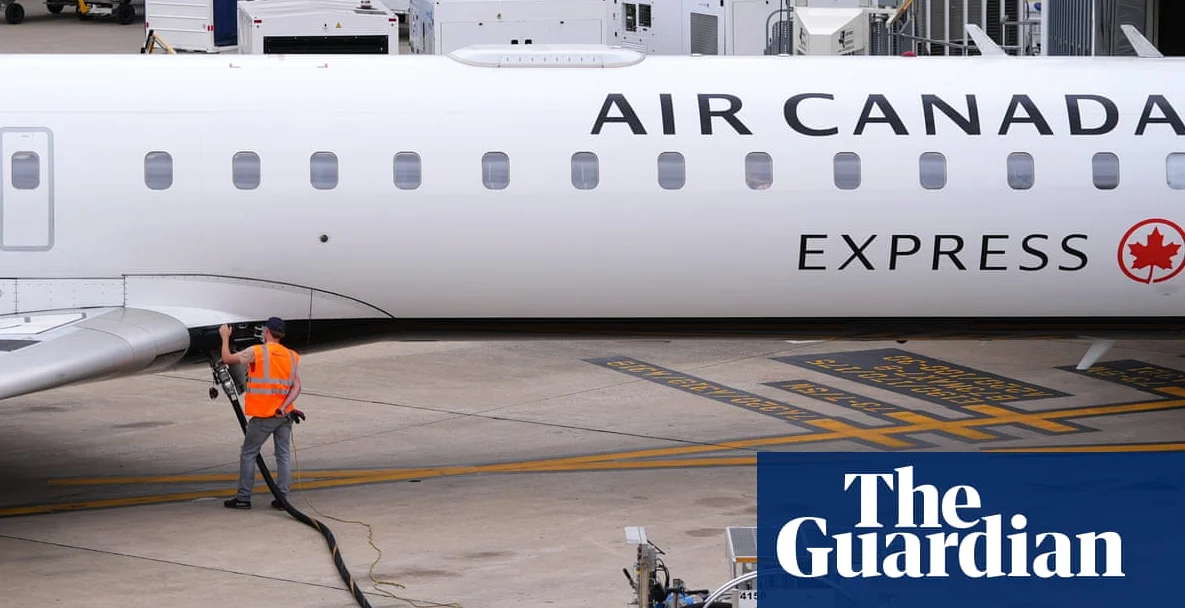
Air Canada has temporarily suspended some flights to New York and other locations, citing rising fuel costs linked to the ongoing conflict between the US, Israel, and Iran, according to The Guardian. The move comes as airlines globally face mounting pressure to scale back services amid surging aviation fuel prices. Despite a fragile ceasefire earlier in April and the reopening of the Strait of Hormuz, which helped ease oil prices, fuel costs remain significantly elevated after weeks of disruption.
Rising Fuel Costs Impact Route Viability
Jet fuel prices have doubled since the start of the Iran conflict, according to Air Canada, affecting some lower profitability routes and flights which are now no longer economically feasible. The airline stated that schedule adjustments, including some frequency reductions, are being made in response to this financial strain.
The affected routes include one flight from Montreal and three from Toronto, the Canadian Broadcasting Corporation (CBC) reported, citing an Air Canada spokesperson; Flights will be paused starting 1 June, with service expected to resume on 25 October. Affected customers will be contacted with alternate travel options, the airline said.
Air Canada will continue flying to New York’s LaGuardia and Newark Liberty international airports, offering “34 times daily from six cities across Canada,” according to the airline’s spokesperson. This adjustment is part of a broader industry trend as airlines seek to balance operational costs with demand.
Broader Industry Adjustments
American Airlines has also made similar adjustments, temporarily suspending flights from Dallas/Fort Worth to Buenos Aires, Argentina, and Santiago, Chile, according to Aviacionline. The suspension. Starting March 29 and extending until October 2024, is due to a restructuring of demand and delays in the delivery of new long-range aircraft, and the Boeing 787 Dreamliners based in Dallas/Fort Worth will be reassigned to destinations such as Amsterdam, Barcelona, and Rome.
In Chile, American Airlines’ suspension adds to a growing trend of reduced connectivity, with other airlines like Air Canada and United Airlines making similar changes — this has shifted the market dominance to LATAM, which now holds a stronger position in connecting central and western North America to South America.
Industry-Wide Response to Fuel Costs
Separately, Spirit Airlines has asked the US federal government for hundreds of millions of dollars in emergency funding to offset a surge in fuel costs, according to Air Current, citing unnamed sources. Spirit did not immediately return a request for comment; this highlights the broader industry-wide response to rising fuel costs, which have forced airlines to reevaluate their route networks and operational strategies.
The situation highlights the financial strain on airlines due to volatile fuel prices, which have doubled since the conflict began. While the reopening of the Strait of Hormuz has helped ease oil prices, the overall cost of fuel remains high, forcing airlines to make difficult decisions about their services and routes.
Air Canada’s decision to pause certain flights is part of a larger pattern of adjustments being made across the aviation sector, as airlines seek to manage costs while maintaining service to key destinations. The airline has assured affected customers that they will be contacted with alternate travel options, ensuring that passengers are not left stranded without viable alternatives.






Comments
No comments yet
Be the first to share your thoughts