

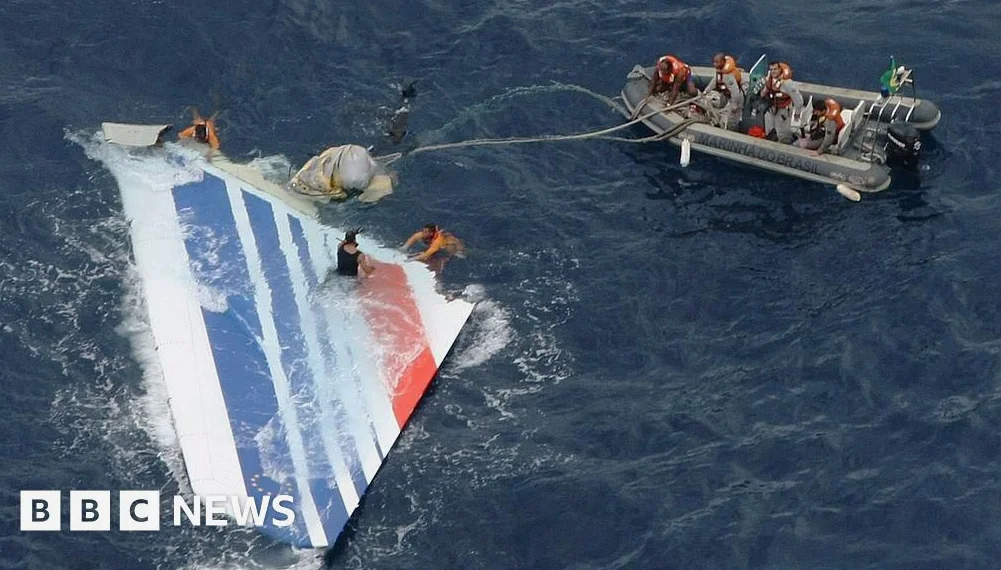
A French court found Air France and Airbus guilty of corporate manslaughter in the 2009 AF447 crash that killed 228 people, according to Al Jazeera and The Guardian. The crash. Which occurred on June 1. 2009, involved a flight from Rio de Janeiro to Paris that disappeared mid-flight in the Atlantic Ocean; the black boxes were recovered two years later following a deep-sea search.
Pilot Error or Systemic Failures?
Investigators found that the pilots had pushed the jet into a climb during a mid-Atlantic storm when the pitot tubes—devices that measure airspeed,became iced up and malfunctioned. This led to the plane stalling and crashing into the ocean, according to Al Jazeera. While Airbus and Air France have blamed pilot error, prosecutors argued that the companies failed to properly train pilots to handle such an emergency. The plane’s autopilot function was disabled, and alarms were triggered, but the pilots were unprepared, according to The Guardian.
Air France lawyer Pascal Weil stated in October that the company “had the means to conduct high-altitude training, but we did not do so because we sincerely believed it was unnecessary.” Prosecutors, however, maintained that the lack of training was a critical failure, as previous incidents involving the same type of sensors had occurred, according to Al Jazeera.
Legal and Financial Consequences
The court handed down maximum fines to both companies, though these have been widely dismissed as symbolic. The fines amount to only a few minutes of revenue for either company, according to The Guardian. Family groups have expressed that the conviction represents a recognition of their plight, even if the penalties seem insufficient. Legal experts predict further appeals to France’s highest court, potentially extending the legal process for years and prolonging the emotional toll on the families of the victims.
Under French law, the 2022 appeal proceedings involved a new trial with evidence reviewed from scratch. Any subsequent appeals will shift the focus away from the cockpit and onto legal nuances, according to The Guardian. The case has drawn attention to the legal system’s ability to hold large corporations accountable, even in cases with limited financial consequences.
Victim Families and Public Reaction
Victim families have criticized the lack of meaningful accountability or comfort from the companies involved. Prosecutor Rodolphe Juy-Birmann said during the trial last November, “Nothing has come of it, not a single word of sincere comfort,” according to Al Jazeera. He described the proceedings as “indecency,” reflecting the frustration of many involved in the case.
While the conviction marks a legal milestone, it does not bring back the victims or fully address the systemic issues that led to the crash. The case highlights ongoing debates about corporate responsibility, pilot training, and the role of regulators in aviation safety. For the families, the legal outcome is a small step in a long and painful journey toward closure.




Comments
No comments yet
Be the first to share your thoughts