

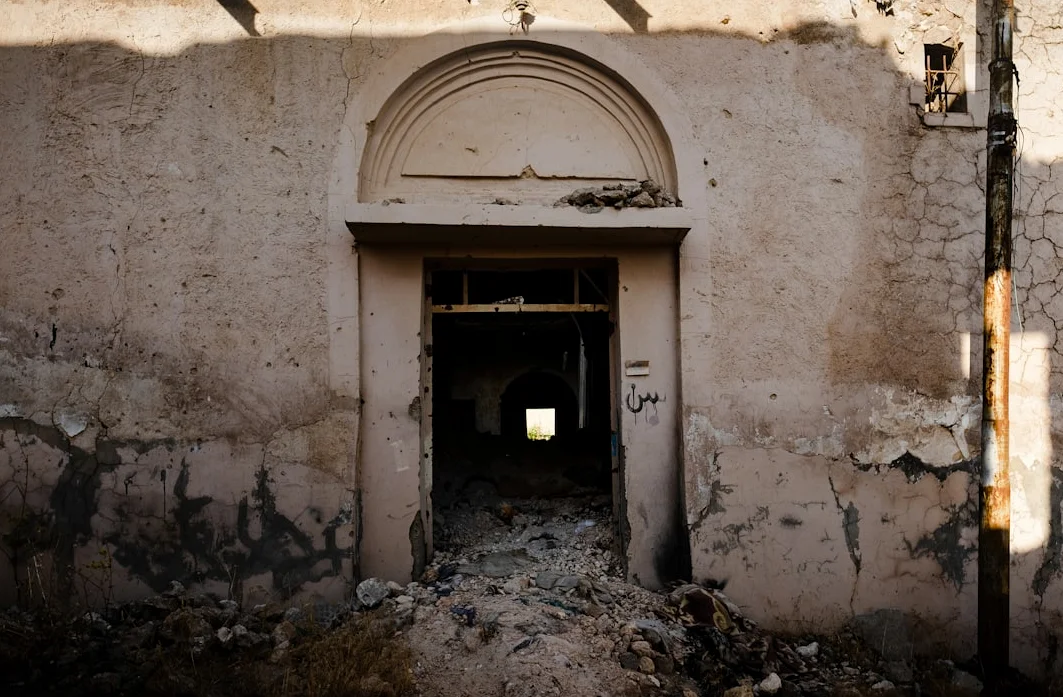
Air strikes in northern Iraq killed three fighters from the Popular Mobilization Forces (PMF) and two police officers, according to reports from multiple sources, marking the latest escalation in regional tensions. The incident occurred in a contested area near the border with Iran, where multiple factions are active, according to Al Jazeera and ekhbary.com.
Regional Context and Factions Involved
The strikes took place in an area that has seen increasing military activity over the past several months, with reports indicating that the PMF, a group closely aligned with Iran, has been a frequent target of U.S. and Israeli air operations. According to Al Jazeera. The strikes were part of a broader pattern of attacks targeting Iran-backed militias in Iraq, which have been accused of harboring Iranian operatives and conducting cross-border attacks.
ekhbary.com reported that a senior Iraqi Hezbollah security official was among those killed in the airstrikes, highlighting the involvement of pro-Iranian groups in the region. The report noted that the official was a key figure in the security operations of the group, which has been linked to several attacks in Iraq and Syria.
Meanwhile, The New Arab suggested that the strikes may be part of a broader U.S.-Israeli campaign against Iran-backed groups in the region. The outlet cited military analysts who argue that AI systems are playing an increasingly central role in modern conflicts, including in the targeting of such groups.
Local Reactions and Impact
Local reactions to the airstrikes have been mixed, with some communities expressing concern over the rising violence and its impact on civilian life. According to ekhbary.com. Residents in the affected area described the strikes as a significant blow to security and stability in the region. One resident said, ‘We are tired of the constant attacks. It’s getting harder to live here safely,’ according to the report.
Al Jazeera highlighted the broader regional implications of the strikes, noting that they come amid heightened tensions between Iran and the U.S., as well as Israel. The report stated that the strikes may have been in response to recent Iranian missile attacks on Israeli targets, which were detected by Israeli forces and reported by Al Jazeera.
In Baghdad. The government has been under pressure to address the growing instability in the north, where the PMF and other groups are active. According to The New Arab. Iraqi officials have called for a de-escalation of hostilities and have urged the U.S. to reconsider its military presence in the region.
International Perspectives and Implications
International reactions to the strikes have been varied, with some countries expressing concern over the potential for further escalation. According to The New Arab. Gulf states have been particularly vocal about the risks of depending on the U.S. as a security guarantor, with some analysts suggesting that the strikes may have reinforced Iran’s position as a regional power.
Al Jazeera reported that the strikes coincided with ongoing debates in Iran over whether to withdraw from the Nuclear Non-Proliferation Treaty, as hardliners push for a more assertive foreign policy. The report noted that the strikes may have been seen as a provocation by Iranian officials, who have been calling for a more aggressive stance in response to Western military actions in the region.
Meanwhile, ekhbary.com highlighted the role of AI in modern warfare, noting that military analysts believe the strikes were guided by advanced targeting systems. One expert told the outlet. ‘These attacks are not just about precision—they are about sending a message to Iran and its allies that the U.S. and its allies are willing to act decisively in the region.’.
What’s Next and Why It Matters
The strikes in northern Iraq are likely to have significant implications for the region, particularly in terms of the balance of power between Iran and its adversaries. According to The New Arab. The incident may lead to increased military activity in the area, as both Iran and the U.S. seek to assert their influence.
Al Jazeera reported that the U.S. is considering further military options in the region, although analysts believe any ground operation would be narrow in scope. The report noted that the strikes may have been intended to deter further Iranian aggression, but they could also lead to a wider conflict if not managed carefully.
For local populations. The strikes highlight the growing instability in the region and the risks associated with living near active military zones. According to ekhbary.com, the deaths of the PMF fighters and police officers have raised concerns about the safety of civilians in the area, with many calling for an end to the violence.
As the situation continues to develop, the international community will be watching closely to see whether the strikes lead to further escalation or a de-escalation of tensions in the region. The impact of these events could be felt for years to come, particularly in terms of the security and stability of Iraq and its neighboring countries.




Comments
No comments yet
Be the first to share your thoughts